
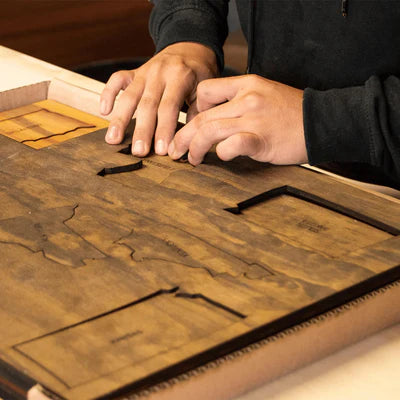


The Garden of Death by Hugo Simberg - Wooden Jigsaw Puzzle
The Garden of Death by Hugo Simberg - Wooden Jigsaw Puzzle
- Regular price
- Price: $115.00
- Regular price
- List Price: $0.00
- Sale price
- Price: $115.00
- Unit price
- per
Key Features:
Key Features:
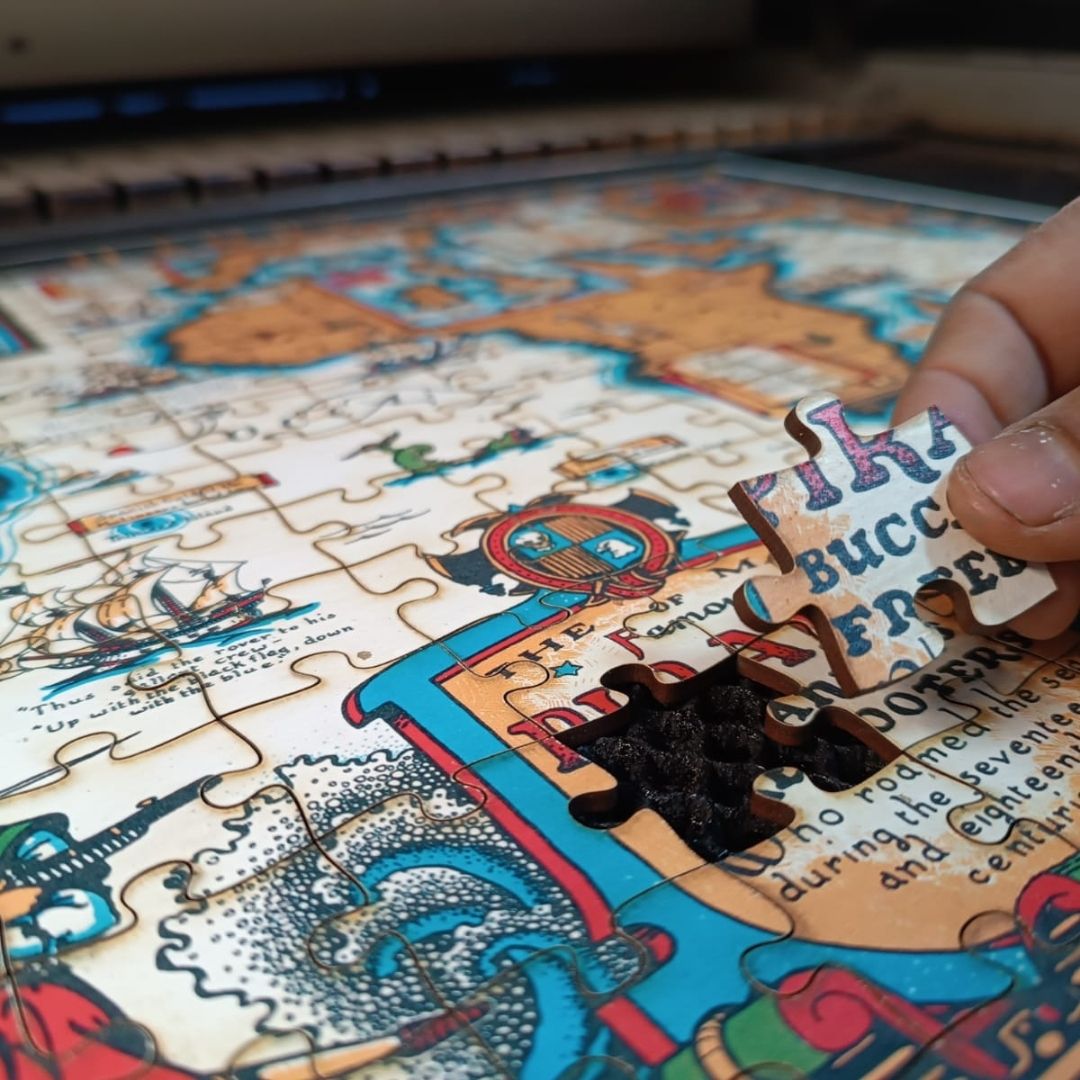
- Premium Quality: Crafted from durable 3mm (.14in) composite wood board for lasting enjoyment.
- Vibrant Imagery: High-resolution UV printing directly on the wood—no paper laminate—for stunning detail and vibrant colors.
- Eco-Conscious: Made with environmentally friendly materials.
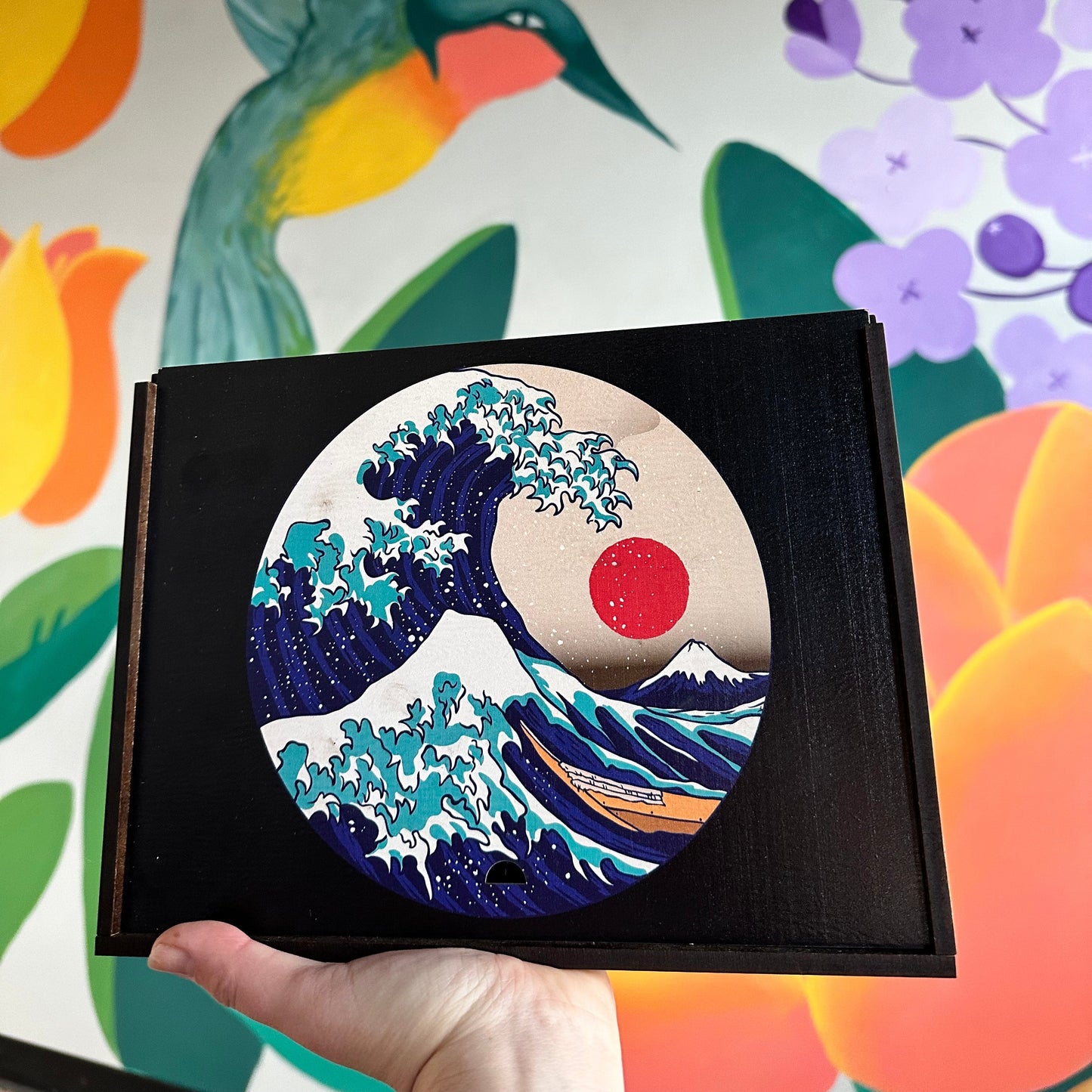
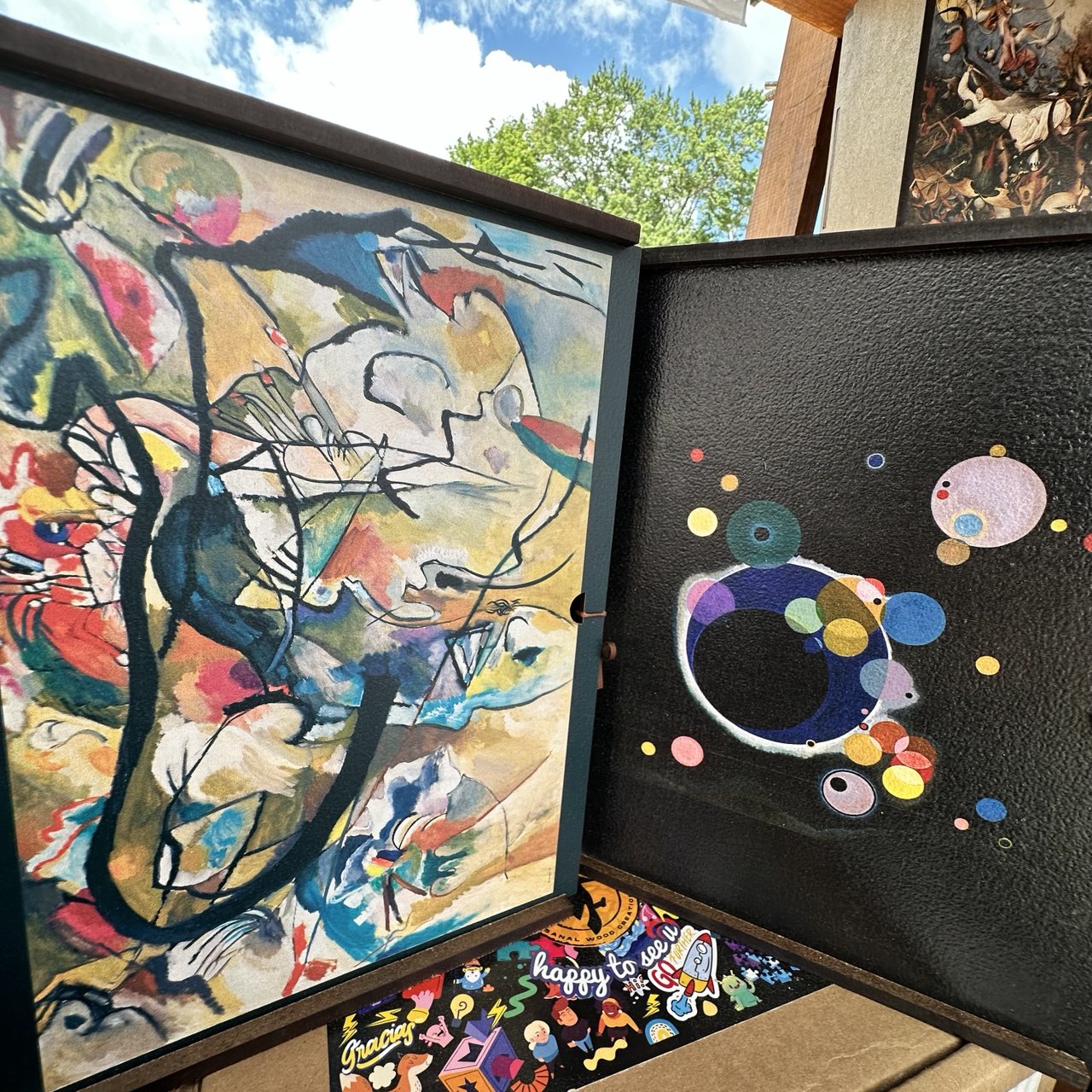
- Heirloom Keepsake: Your puzzle arrives beautifully packaged in a handcrafted wooden box, perfect for gifting or storing your masterpiece.
Craftsmanship and Care:
Craftsmanship and Care:
Experience the satisfying click of perfectly interlocking pieces. Our state-of-the-art laser cutting ensures precise fit and a smooth, seamless puzzle-solving experience. The perfect upgrade from cardboard without breaking the bank.
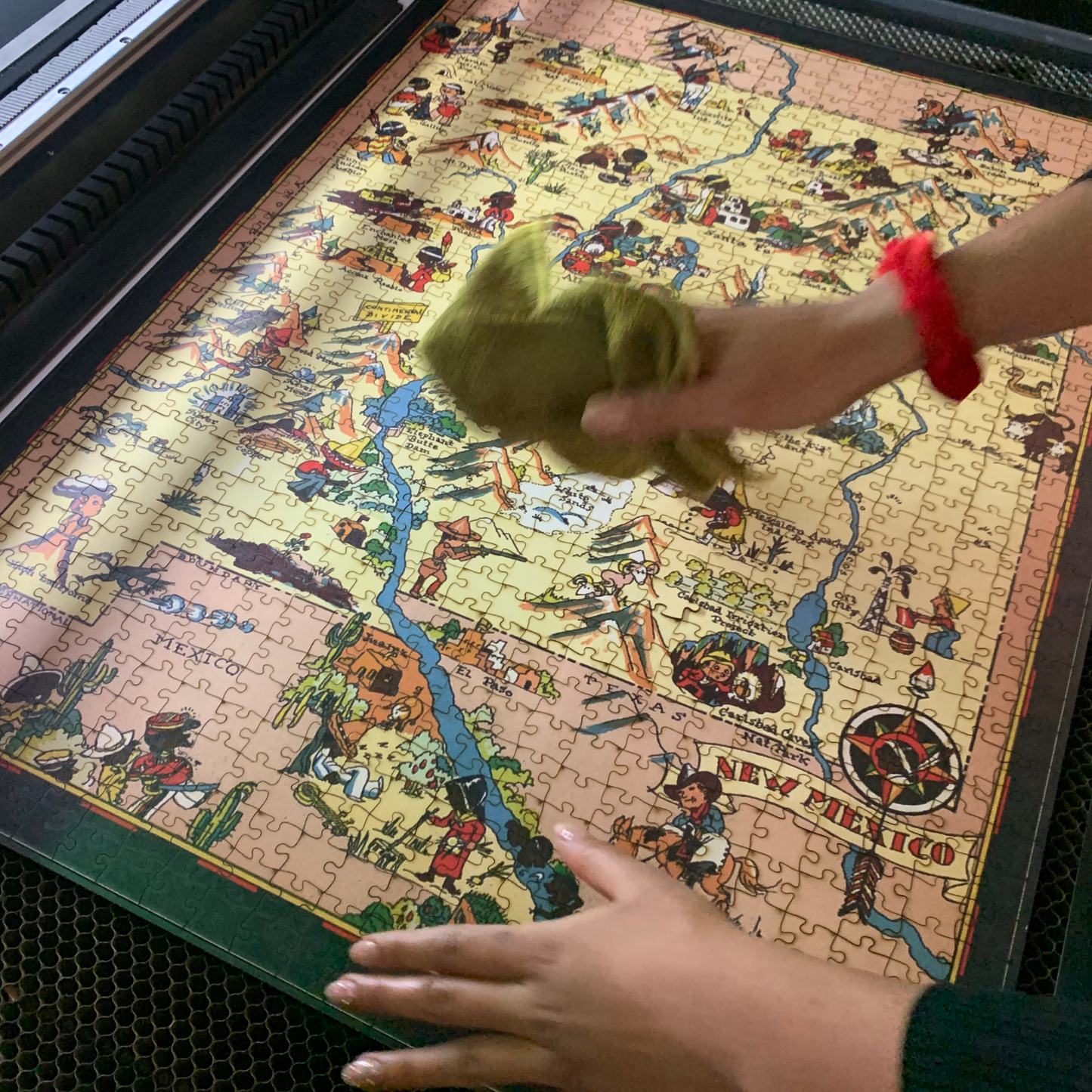
- Natural Laser Residue: A small amount of harmless black residue from the laser cutting process may be present. Simply wipe it away with a damp cloth.
- Hand-Finished Details: Each puzzle board, each wooden box are all carefully hand-stained, painted, and glued.
Satisfaction Guaranteed:
Satisfaction Guaranteed:
We are confident in the quality of our puzzles. If you are not completely satisfied, we offer a full refund or exchange.
PLEASE NOTE:
Each puzzle is crafted to make the most of your chosen size. Artwork may be subtly adjusted to meet our material and production standards while honoring the original work. Planning to frame yours? Email info@whatawoodwork.com for final measurements.
Couldn't load pickup availability
In stock
 PRODUCT DESCRIPTION
The Garden of Death — Wooden Jigsaw Puzzle
Hugo Simberg painted three skeletons tending a garden, and then explained, plainly, that the plants were souls. Not metaphorically. He believed the garden was a literal waiting place between death and heaven, where the dead were cared for before moving on. The figures aren't menacing. They're focused. Careful. One is bent over a pot the way a gardener checks for new growth.
📖 The Story Behind This Piece
Simberg made this in 1896, in watercolor and gouache, on a surface barely larger than a paperback cover — 15.8 by 17.5 centimeters. At that scale, the three skeletal figures are small enough to feel private, like something glimpsed rather than announced. Death, in Simberg's version, is not dramatic. The figures wear simple robes and move among the pots with what looks like patience. The palette runs toward gray-green and ash, the kind of color that appears just before or just after daylight. The garden has no sky.
Simberg was working inside the Finnish Symbolist movement, which took seriously the idea that painting could reach things language couldn't. He wasn't interested in horror. He was interested in what death might actually feel like from the inside, and his answer — quietly, in a small watercolor — was that it might feel like tending something fragile and waiting for it to be ready. Eight years later, he returned to the same subject on the walls of Tampere Cathedral, painting it large enough for a congregation to sit inside it.
The muted palette is where the UV printing earns its place. On paper or a screen, the gray-greens and bone whites flatten into a single register. On wood, with UV ink printed directly into the grain, those tones separate. Assembling the background — a near-uniform field of muted color — forces close attention to the slight variations Simberg built in. The texture of the wood itself reads through the ink in a way that matches the watercolor's surface. Where a digital print would feel smooth and distant, the wood gives it friction.
🎁 Who Gets One of These
A few kinds of people find their way to this painting. Most of them have already found it before they find the puzzle.
✔️ The Symbolism collector who has stood in Tampere Cathedral — You've seen the fresco version on the walls. Now the 1896 watercolor that started it comes apart in your hands and has to be rebuilt piece by piece.
✔️ The art historian who studies Northern European Romanticism and its aftermath — Simberg is chronically underrepresented outside Finland. Having this in the house is an argument as much as it is an object.
✔️ The person who keeps a small altar, a shelf, or a corner for things that acknowledge mortality without making it ugly — Simberg's skeletons are attentive, not threatening. The painting belongs near that kind of company.
✔️ The museum member who has stopped giving people things that get donated — Handcrafted wooden box, original art sourced from the Ateneum collection, made to order. Nothing about it is disposable.
✔️ The gothic art enthusiast who is tired of imagery that only goes for shock — Simberg's version of death is stranger and more interesting than most. The puzzle sits on the coffee table and the conversation that follows is always worth having.
All Souls' Day and Día de los Muertos are obvious fits — the timing and the subject align without any stretching. Strong for a milestone birthday given to someone who thinks about things. Also right for a retirement gift, when the recipient has earned the philosophical territory Simberg is standing in.
🧩 Puzzle Specifications
✔️ Precision laser-cut wooden pieces
✔️ 3mm MDF core — rigid, warp-resistant, built to last
✔️ UV printing directly on wood — no paper laminate, no peeling
✔️ Traditional grid-cut design
✔️ Handcrafted wooden keepsake box included
✔️ Made to order — ships in 3–4 weeks
💎 Why This Puzzle Lasts
Most wooden puzzle makers charge $300 to $500. The craft justifies it. WAWW gets to the same place differently: direct manufacturing, no wholesale markup, made to order rather than warehoused. Same 3mm MDF core. Same UV printing. The price reflects the supply chain, not the quality.
The MDF core is what keeps puzzle pieces clicking cleanly after years of handling. Cardboard compresses and softens at the edges; MDF holds its geometry. A piece you fit in year one fits the same way in year ten. The UV printing works directly on that surface, no paper layer between the ink and the wood, so there is nothing to peel, bubble, or yellow. Simberg's muted grays and bone whites stay exactly as calibrated.
The traditional grid cut means every piece has a clear orientation and fits with a physical click you can feel. No gimmick shapes that slow the process down for novelty's sake. When the puzzle is finished, it goes into the handcrafted wooden keepsake box — an object with its own presence on a shelf. The box was built for this image, not manufactured in bulk for generic use. Production begins after you order. The 3 to 4 week lead time exists because your puzzle doesn't exist yet when you click buy.
🖼️ After You Finish It
Most people frame it. The wooden box ends up on a nearby shelf, and it holds its own — people pick it up before they've seen what's inside. Visitors ask about the image first. Then someone asks what Simberg meant by the plants. The Garden of Death has been in the Ateneum collection since 1896, studied by scholars of Finnish Symbolism and grief alike. Rebuilding it yourself, piece by piece, starting with those three careful skeletons and working outward into the gray-green ground, is a different kind of attention.
⚠️ Important Notes
Puzzles may have light laser residue on the surface — a damp cloth handles it. There's a natural wood scent when the box first opens; it fades within a few days. Made-to-order production means your puzzle ships in 3–4 weeks. If anything arrives damaged, we replace or refund. No questions.