


The March of Intellect by Heath - Premium Wooden Jigsaw Puzzle
The March of Intellect by Heath - Premium Wooden Jigsaw Puzzle
- Regular price
- Price: $115.00
- Regular price
- List Price: $0.00
- Sale price
- Price: $115.00
- Unit price
- per
Key Features:
Key Features:
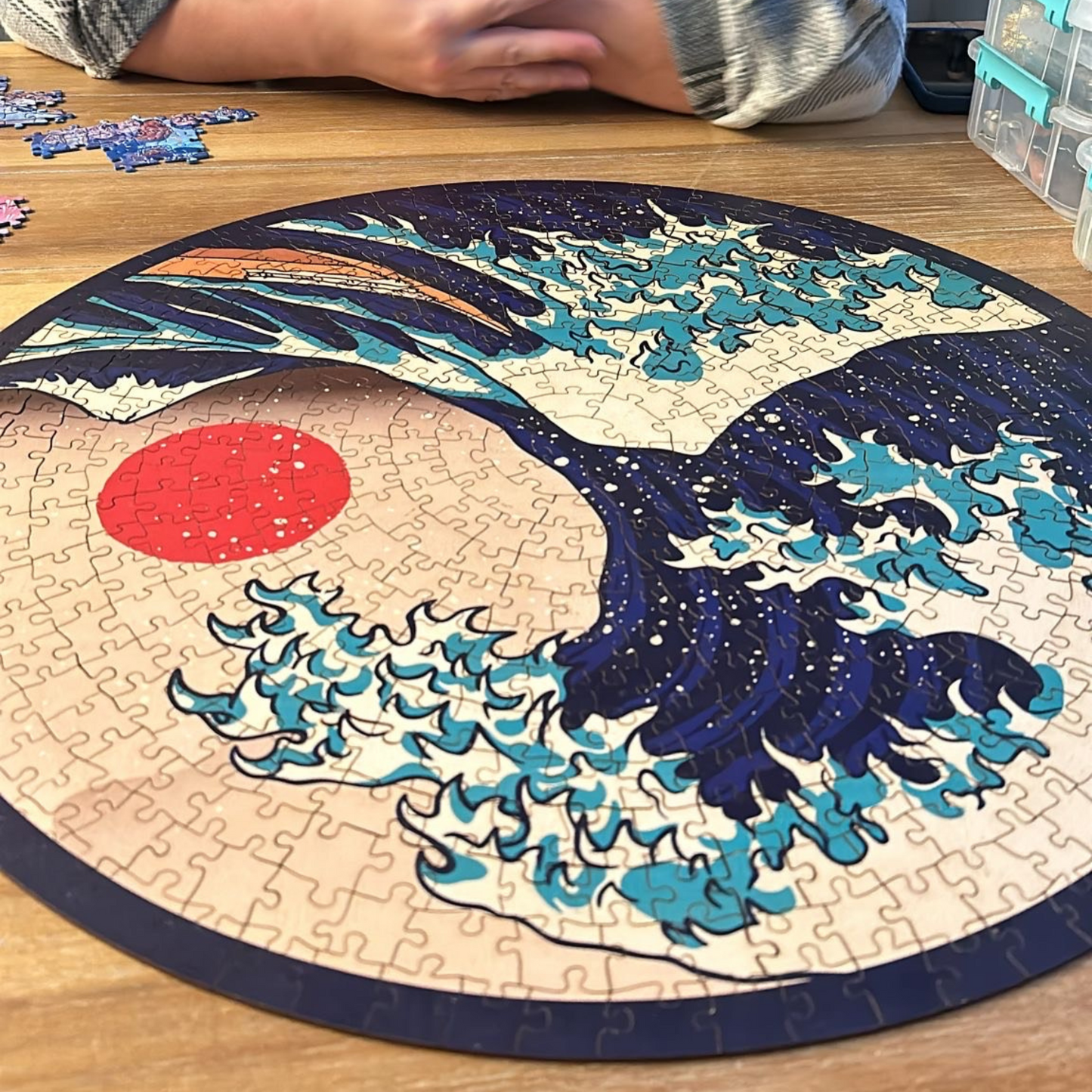
- Premium Quality: Crafted from durable 3mm (.14in) composite wood board for lasting enjoyment.
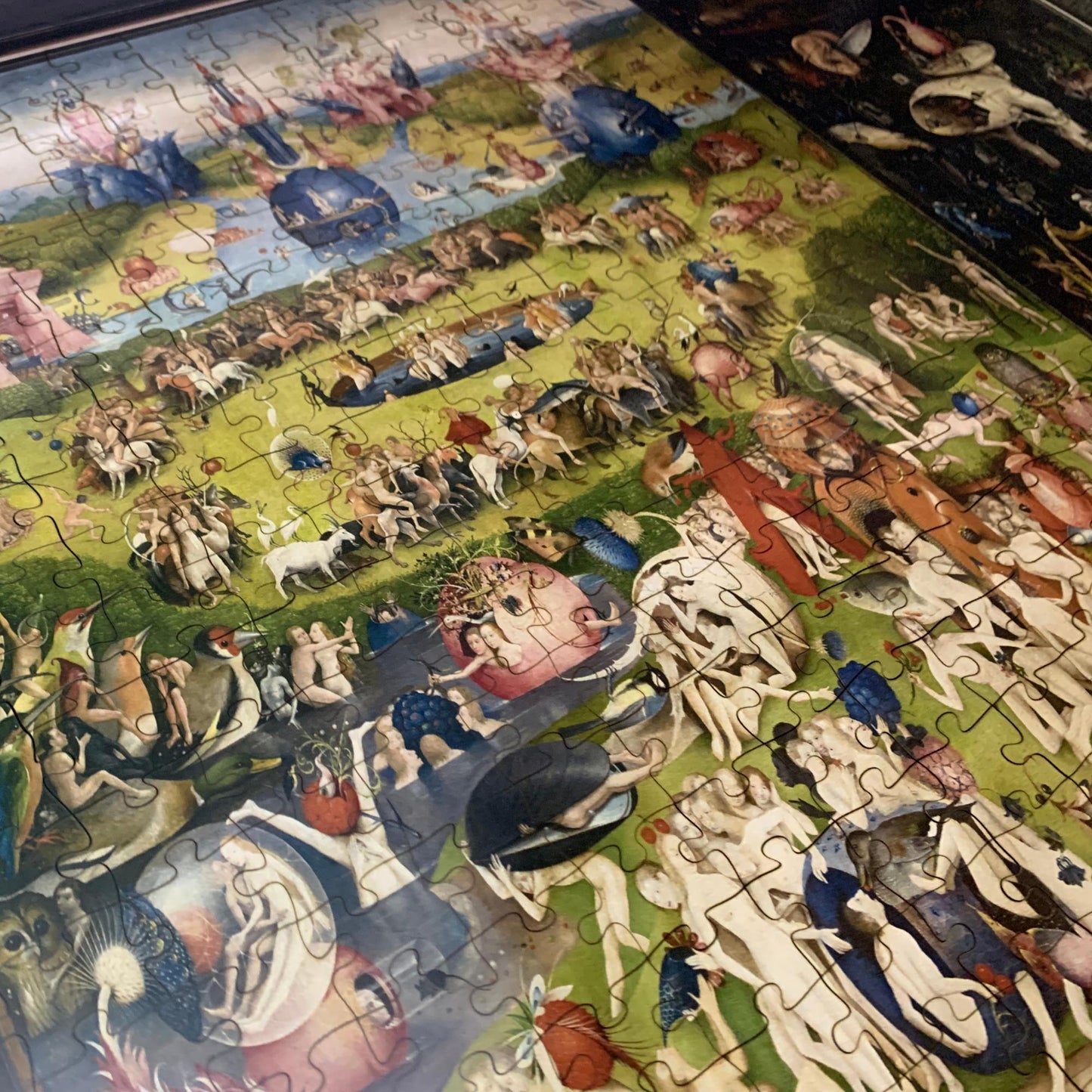
- Vibrant Imagery: High-resolution UV printing directly on the wood—no paper laminate—for stunning detail and vibrant colors.
- Eco-Conscious: Made with environmentally friendly materials.
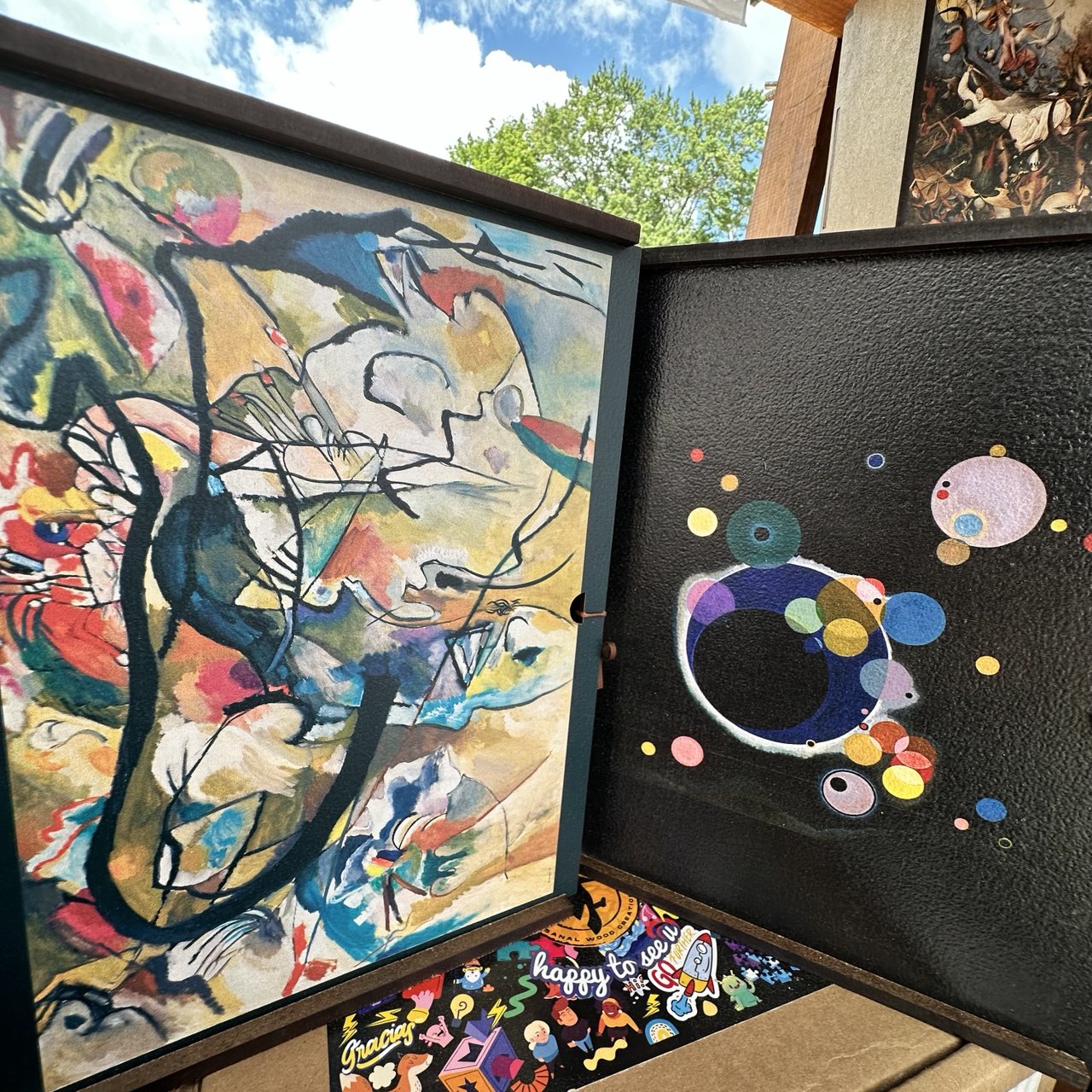
- Heirloom Keepsake: Your puzzle arrives beautifully packaged in a handcrafted wooden box, perfect for gifting or storing your masterpiece.
Craftsmanship and Care:
Craftsmanship and Care:
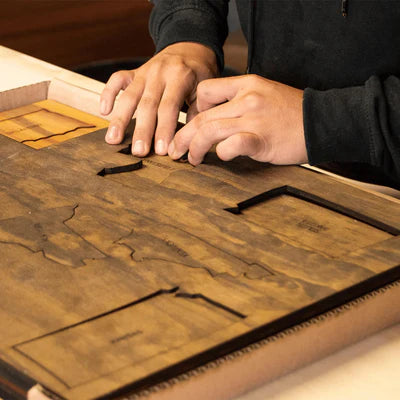
Experience the satisfying click of perfectly interlocking pieces. Our state-of-the-art laser cutting ensures precise fit and a smooth, seamless puzzle-solving experience. The perfect upgrade from cardboard without breaking the bank.
- Natural Laser Residue: A small amount of harmless black residue from the laser cutting process may be present. Simply wipe it away with a damp cloth.
- Hand-Finished Details: Each puzzle board, each wooden box are all carefully hand-stained, painted, and glued.
Satisfaction Guaranteed:
Satisfaction Guaranteed:
We are confident in the quality of our puzzles. If you are not completely satisfied, we offer a full refund or exchange.
PLEASE NOTE:
Each puzzle is crafted to make the most of your chosen size. Artwork may be subtly adjusted to meet our material and production standards while honoring the original work. Planning to frame yours? Email info@whatawoodwork.com for final measurements.
Couldn't load pickup availability
In stock
 PRODUCT DESCRIPTION
The March of Intellect: The joke was that every invention in the image would make human life faster, louder, and more chaotic — which is exactly what happened.
In 1828, William Heath drew a vacuum tube stretching from London to Bengal. Not as a dream — as a joke. The British public was so drunk on technological optimism that the only way to critique it was to take it completely literally. Heath made the tube enormous. He made it absurd. Nobody got the message fast enough.
📖 The Story Behind This Piece
Heath published "The March of Intellect" around 1828 to 1829, right as Britain was convincing itself that steam power would solve everything. The print is a cityscape of Georgian London gone haywire: steam horses named "Velocity" tear through the streets, winged postmen deliver mail from the sky, and that vacuum tube promises instant passage to Bengal. Heath was not celebrating any of it.
Heath published under the pseudonym "Paul Pry," a name borrowed from a popular stage character known for sticking his nose where it didn't belong. That choice wasn't accidental. Heath was positioning himself as the man watching the parade rather than marching in it. His prints sold widely because they gave the anxious middle classes a way to laugh at their own excitement before deciding whether to be afraid of it. The pseudonym gave him cover. The images did the work.
Heath's composition layers dozens of simultaneous events across a single crowded frame, which means assembly moves differently here than with a landscape or a portrait. The mid-image chaos — where steam machinery, collapsed buildings, and fleeing pedestrians all overlap — gives you long stretches where color alone won't orient you. You're reading line work and spatial logic instead. UV printing on the wood surface keeps Heath's fine ink hatching sharp at that scale. On paper, those lines blur. On the MDF core, they hold.
🎁 Who Gets One of These
A few specific people keep buying this one.
✔️ The British history reader who owns at least one book on the Industrial Revolution — You already know what a Luddite was and why. Heath's print is the visual argument they were making, drawn by someone on the other side.
✔️ The political cartoonist or editorial illustrator — Heath was doing in 1828 what The Onion does now. Spending time with his linework up close is a short course in how satire actually functions visually.
✔️ The museum member who buys the exhibition catalogue — You read the wall text. You want the thing to live in your house afterward. Georgian satirical prints rarely come in formats you can keep like this.
✔️ The tech-skeptic who still uses a flip phone unironically — Heath made this argument about steam power in 1828. It has aged without aging at all.
✔️ The gift-giver who needs something with a story attached — "It's a 200-year-old joke about technological progress" is a better dinner table explanation than most gifts get.
Works well as a birthday gift for anyone with a serious interest in British history, political art, or the history of technology. Strong fit for Father's Day if the recipient follows that thread. The subject matter doesn't skew seasonal, but the density of the puzzle makes it well suited to long stretches of uninterrupted time.
🧩 Puzzle Specifications
✔️ Precision laser-cut wooden pieces
✔️ 3mm MDF core — rigid, warp-resistant, built to last
✔️ UV printing directly on wood — no paper laminate, no peeling
✔️ Traditional grid-cut design
✔️ Handcrafted wooden keepsake box included
✔️ Made to order — ships in 3–4 weeks
💎 Why This Puzzle Lasts
Most wooden puzzle makers charge $300 to $500. The craft justifies it. WAWW gets to the same place differently: direct manufacturing, no wholesale chain, made-to-order. The materials are the same. The markup isn't there.
The 3mm MDF core is the reason a finished puzzle still clicks cleanly years from now. Cardboard compresses and warps with humidity. MDF doesn't. You can feel the difference the first time you press two pieces together — there's a solidity to the fit that cardboard has never managed. The UV printing bonds directly to the wood surface rather than sitting on top of a paper laminate, which means no peeling at the edges, no color shift after years of light exposure, and no soft blurring of Heath's fine hatched lines.
The traditional grid cut keeps solving honest. Pieces have one correct neighbor, so the fit confirms rather than misleads you. The handcrafted wooden storage box isn't packaging — it's the object the puzzle lives in permanently. Most people keep it. After assembly, the completed puzzle often gets framed; the box ends up on a shelf. Production is made to order, which means your puzzle doesn't exist until you buy it. That's why the wait is 3 to 4 weeks, and why there's no warehouse full of puzzles slowly degrading in storage.