


The Sea Monster by Kittelsen - Premium Wooden Jigsaw Puzzle
The Sea Monster by Kittelsen - Premium Wooden Jigsaw Puzzle
- Regular price
- Price: $115.00
- Regular price
- List Price: $0.00
- Sale price
- Price: $115.00
- Unit price
- per
Key Features:
Key Features:
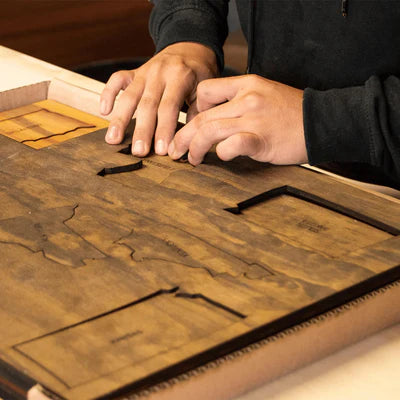
- Premium Quality: Crafted from durable 3mm (.14in) composite wood board for lasting enjoyment.
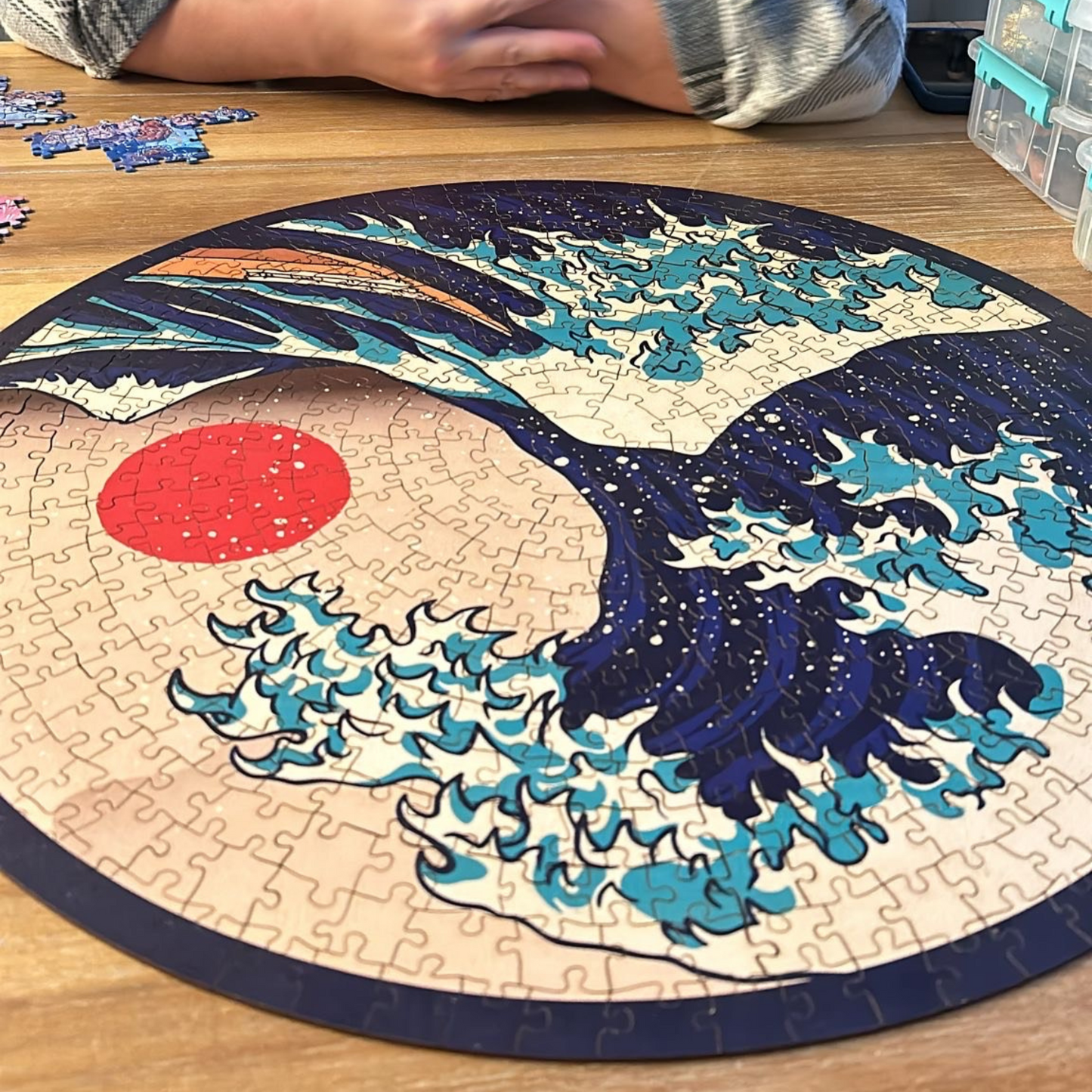
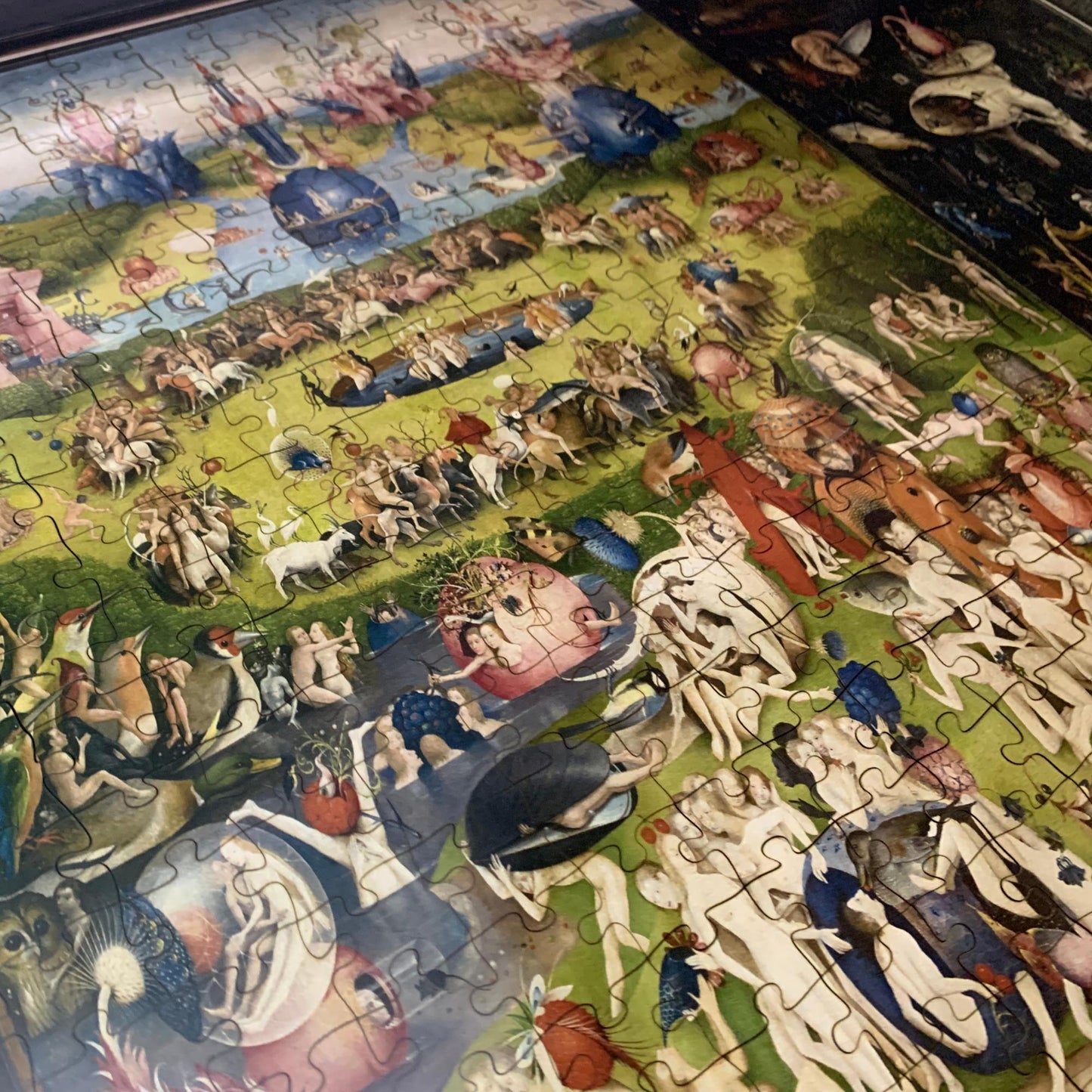
- Vibrant Imagery: High-resolution UV printing directly on the wood—no paper laminate—for stunning detail and vibrant colors.
- Eco-Conscious: Made with environmentally friendly materials.
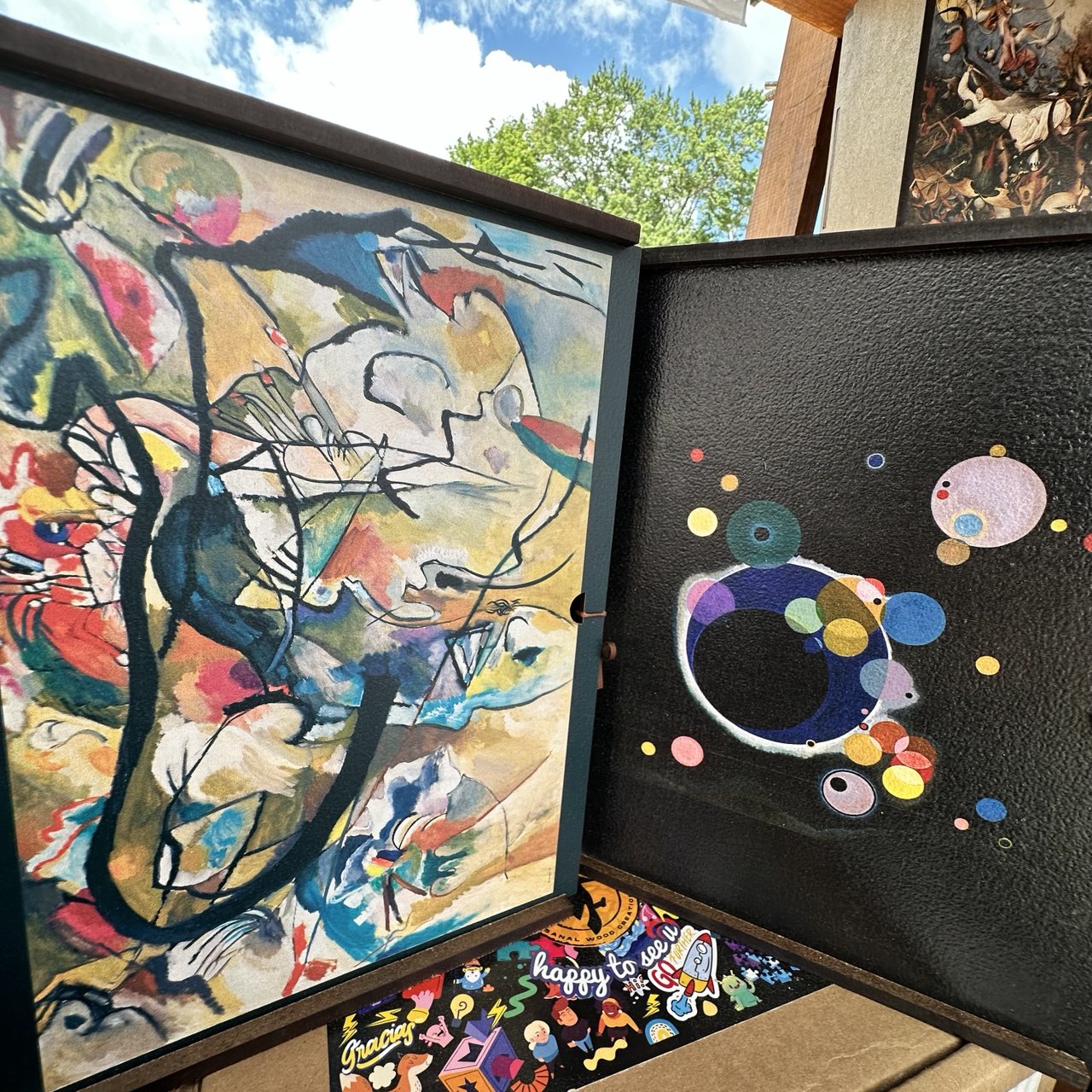
- Heirloom Keepsake: Your puzzle arrives beautifully packaged in a handcrafted wooden box, perfect for gifting or storing your masterpiece.
Craftsmanship and Care:
Craftsmanship and Care:
Experience the satisfying click of perfectly interlocking pieces. Our state-of-the-art laser cutting ensures precise fit and a smooth, seamless puzzle-solving experience. The perfect upgrade from cardboard without breaking the bank.
- Natural Laser Residue: A small amount of harmless black residue from the laser cutting process may be present. Simply wipe it away with a damp cloth.
- Hand-Finished Details: Each puzzle board, each wooden box are all carefully hand-stained, painted, and glued.
Satisfaction Guaranteed:
Satisfaction Guaranteed:
We are confident in the quality of our puzzles. If you are not completely satisfied, we offer a full refund or exchange.
PLEASE NOTE:
Each puzzle is crafted to make the most of your chosen size. Artwork may be subtly adjusted to meet our material and production standards while honoring the original work. Planning to frame yours? Email info@whatawoodwork.com for final measurements.
Couldn't load pickup availability
In stock
 PRODUCT DESCRIPTION
The Sea Monster — Wooden Jigsaw Puzzle
Kittelsen's original title for this 1881 painting was "The water giant who only ate virgin meat." The museum renamed it something safer. The painting itself never got the memo. The troll doesn't have a clear body. It has mass, and darkness, and a suggestion of scale that the blues and grays refuse to resolve. You're never sure where the sea ends and the creature begins. That's the point.
📖 The Story Behind This Piece
Theodor Kittelsen painted Sjøtrollet in 1881, at 24 years old, while Norway was actively in the business of figuring out what Norwegian culture actually was. The Romantic movement had handed artists a brief: find the soul of the nation in its landscape and legends. Kittelsen took that brief literally. The troll in this painting doesn't look borrowed from a fairy tale illustration. It looks like something that lives in cold water and has been there longer than anyone has had a word for it. The original canvas measures 28.3 by 25 centimeters. For something that small, it carries enormous weight.
Kittelsen grew up near the sea and the forests that fed Norwegian folklore, and he made a specific decision most Romantic painters avoided: he refused to make the mythological creatures picturesque. His trolls are genuinely unsettling because he painted them the way a person who believed in them might have seen them. Not decorative. Not allegorical. Just there, in the water, larger than the boat. That conviction is what separates this painting from a century of technically proficient Romantic landscape work that no one remembers.
The puzzle version of this image poses a particular problem in the lower half, where deep blue-gray water and the troll's submerged mass blend into roughly the same tonal range. On a screen, the eye adjusts automatically. On wood, with UV ink sitting directly in the grain, the subtle value shifts in those dark passages become visible in a way they aren't on a laminated print. You'll find yourself sorting what looks like a single color and discovering it isn't. The boundary between creature and sea only resolves at the very end.
🎁 Who Gets One of These
A few specific people come to mind.
✔️ The Scandinavian folklore reader who owns all three volumes of d'Aulaires — You know the taxonomy of Norwegian trolls. Kittelsen is the reason that taxonomy has a visual language. Spending time with this painting, piece by piece, is a different kind of familiarity.
✔️ The person whose bookshelves run to Norse mythology and who has an opinion about the Prose Edda — Kittelsen was painting the same cosmology, just in 1881 oil and from personal conviction rather than academic distance.
✔️ The puzzle buyer who has finished a cardboard one and put it in a bag never to be seen again — A 3mm MDF puzzle in a wooden keepsake box has a different ending than that.
✔️ The dark-palette art collector who gravitates toward Fuseli or early Symbolism — Kittelsen belongs in that conversation and rarely appears in it. This is a correctable gap in a collection.
✔️ The gift-giver who needs something specific for someone who owns things deliberately and is impossible to buy for — An 1881 Norwegian troll painting on a wooden puzzle in a handcrafted box is not something they already have.
Works well for winter birthdays and Christmas, where the moody Scandinavian palette fits the season without forcing it. A strong anniversary gift for anyone who shares an interest in folklore or Northern European art history.
🧩 Puzzle Specifications
✔️ Precision laser-cut wooden pieces
✔️ 3mm MDF core — rigid, warp-resistant, built to last
✔️ UV printing directly on wood — no paper laminate, no peeling
✔️ Traditional grid-cut design
✔️ Sizes: 15"x23", 18"x24", 23"x31"
✔️ Piece counts: 300–1000
✔️ Handcrafted wooden keepsake box included
✔️ Made to order — ships in 3–4 weeks
💎 Why This Puzzle Lasts
Most wooden puzzle makers charge $300 to $500. The craft justifies it. We get there differently: direct manufacturing, no wholesale chain, made to order. Same materials. No markup.
The 3mm MDF core is what keeps pieces clicking cleanly years from now. Cardboard compresses and warps with humidity; MDF holds its shape. You'll feel the difference the first time you snap a piece into place and it stays there. UV printing goes directly onto the wood surface, skipping the paper laminate layer that eventually peels away from lower-end puzzles. The ink bonds to the wood. The image is not a sticker on top of a puzzle; it's part of the surface.
A traditional grid cut means the solving experience is about the image, not about hunting for novelty piece shapes. Every fit is clean and unambiguous. The wooden keepsake box is built to the same standard as the puzzle. After assembly, it stores flat pieces, or holds a framed puzzle's documentation, or just stays on the shelf as an object worth keeping. Made to order means your puzzle doesn't come from warehouse stock. It's cut after you place the order, which is why the wait is 3 to 4 weeks. That's not a delay. That's the production run.
The 300-piece, 15"x23" starts at $115. The 1000-piece, 23"x31" runs $170.
🖼️ After You Finish It
Most people frame it. The wooden box ends up on the shelf nearby, sometimes holding the backing material, sometimes just sitting there because it's a good box. Visitors ask about the image first — the troll is not subtle — and then about the box, and then someone usually wants to know what the original title was. Kittelsen named it "The water giant who only ate virgin meat" in 1881. That detail tends to extend the conversation.
⚠️ Important Notes
Puzzles may have light laser residue on the surface — a damp cloth handles it. There's a natural wood scent when the box first opens; it fades within a few days. Made-to-order production means your puzzle ships in 3–4 weeks. If anything arrives damaged, we replace or refund. No questions.