
In the dim light of a Flemish dawn, Hieronymus Bosch composed visions that straddled the dreamlike and the diabolical, while Pieter Bruegel the Elder, with an astute eye, unveiled the earthy vitality of peasant life. Together, they sculpted the landscapes of Northern Renaissance art not only with their brushes but also with their imaginations, dwelling in realms that sway between reality and fantasy. Bridging their worlds into a tangible wooden puzzle is akin to threading whispers from a distant history into the heart of your home.
The jigsaw puzzle, as a modern artifact of contemplation, finds its resonance and rationale through the artistic labor of Bosch and Bruegel. Delving into historical canvases such as Bosch's "The Haywain" or "The Garden of Earthly Delights," we encounter symbolic narratives that challenge and extend our perceptions (The Haywain by Hieronymus Bosch Wooden Puzzle, Adult Jigsaw, The Garden of Earthly Delights by Hieronymus Bosch | Wooden Jigsaw Puzzle). Bosch's works are vortices of moral allegories and theological quandaries ensconced within the framework of a turbulent era teetering between medieval beliefs and Renaissance enlightenment.
Bruegel, on the other hand, is the chronicler of his time's human condition. His works bubble with vitality — the ebullience of "The Wedding Dance" is brought to life in a milieu where joy flows as richly as the vibrant colors that define the scene (The Wedding Dance by Pieter Bruegel | 300-Piece Wooden Jigsaw Puzzle). With brushstrokes that captured a culture, he became the visual storyteller of humanity itself.
While differing in themes, the creations of Bosch and Bruegel still reach out to touch today's world—highlighting the perpetual relevance of moral exploration and social identity. As curators of history, these two artists offer us reflections that illuminate our own century.
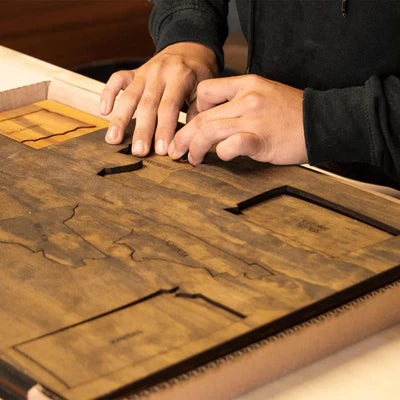
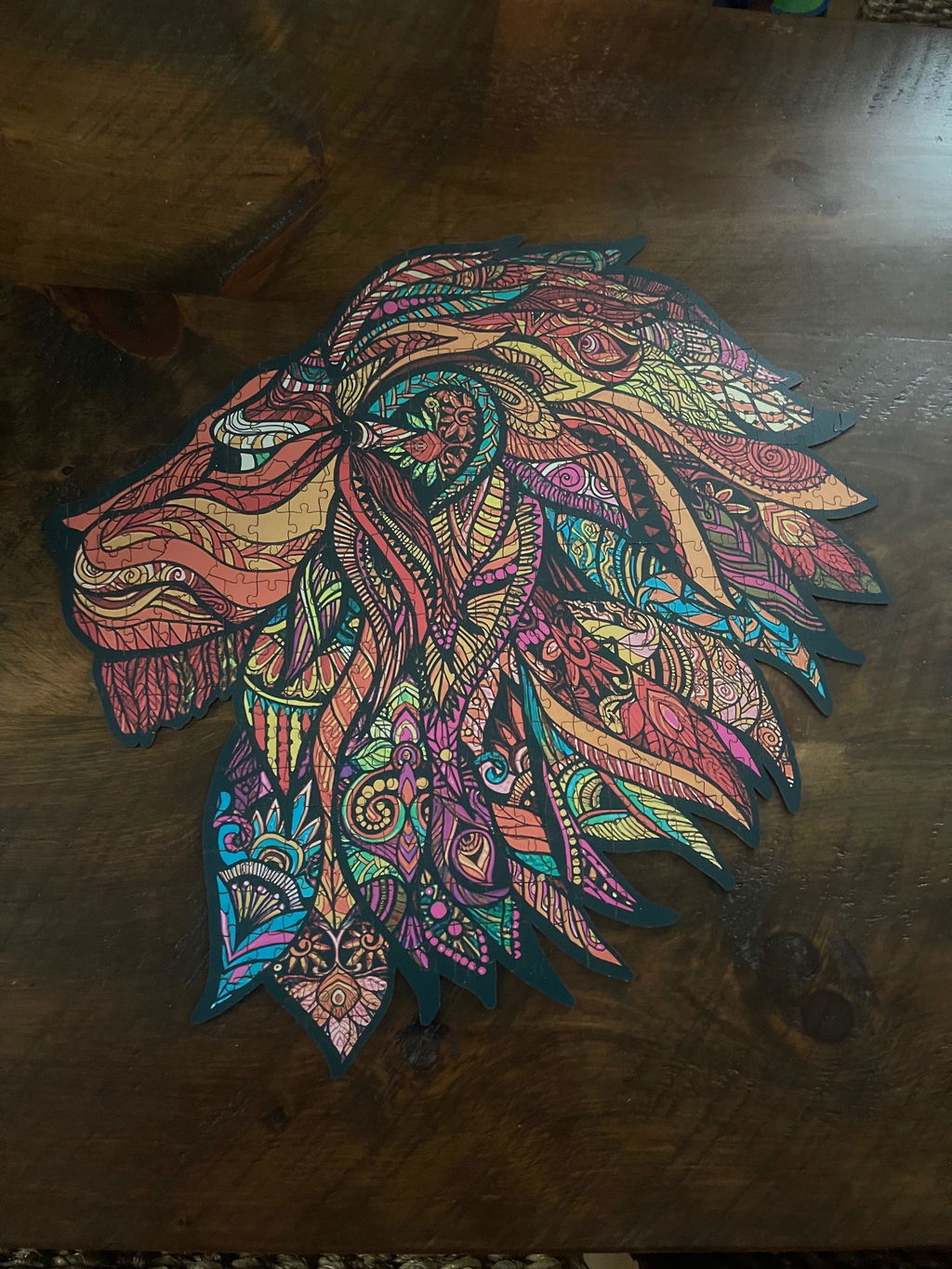
Transposing the tactile depth of these images onto the sturdy canvas of a 2.5 thick MDF wooden puzzle involves an artistic homage of its own. Through a process of direct UV-printing, the visual vibrancy of each masterpiece is transferred with utmost fidelity onto durable maple veneer, weaving a narrative through intricate puzzle pieces that one must piece together — both in action and thought.
Engaging with art through puzzling transforms an otherwise passive consumption into an active pursuit of mindfulness. As your fingers connect each piece, you partake in a ritual. The act embodies a slow dance with history, where each connection made is an echo of an artist's intent interpreted through your personal journey.
Collecting such intricately rendered puzzles is not merely an exercise in obtaining an artifact but an invitation to steward a piece of cultural heritage—an heirloom that speaks both to art lovers and to those in pursuit of meaningful, contemplative experiences. Each completed puzzle becomes a tableau, a silent testament to the meditative, immersive art of puzzling—a luxurious dream scape in wood.
The luxury of acquiring these treasures lies not in material ostentation but in the indulgence of time and thought—gifting to oneself or others something that whispers of legacies, of worlds both lost and lurking in the metaphorical corners of our psyche.
To step into this dialogue with history and artistry is to walk the line between creation and observation, a quiet invitation to witness and engage. With each emerging layer of complexity, a Bosch or a Bruegel beckons—their legacy not just encased in history books but actively unraveling within the confines of one's own home.
Explore the artful collection of wooden puzzles at What a Woodwork.