
The slopes of Mount Asama are veiled in a delicate shroud of morning mist, while beneath a torrent of clouds, a lone traveler pauses, his silhouette dwarfed by the towering pine. A keen observer might witness the moment as transcending time and space as if the intricate patterns of foliage reveal the quiet whispers of an artist's brush. In Utagawa Hiroshige's masterful rendering of mountain passes, the observer is transported to a scene where nature and the passage of time embrace – where each line of woodcarving captures an essence that is both ephemeral and eternal.
In the vibrant era of the Edo period, a bubbling cultural ferment gave rise to audacious artistry. It was a time when woodblock print, or ukiyo-e, flourished as a popular medium, its roots deeply entwined in the Japanese psyche. The prints of Hiroshige stand amongst these as timeless monuments, their imagery echoing the Japanese inclination towards mono no aware—a gentle acknowledgement of life's impermanence. Emphasizing pigment layering and intricate linework, every print from this era bore the tactile impression of a world viewed through the lens of artistic introspection. Hiroshige, especially, with his compositions of nature's ageless grandiosity, stood out. His portrayal of mountain paths and scenic byways became pages of visual poetry, leaflets of a travelogue that spoke to both a longing for adventure and the tranquility of return.
Hiroshige's works endure not only for their exquisite craftsmanship but for their transcendence of mere representation. They explore themes of contemplation and the inescapable cycles of the seasons. Collectors and scholars alike find within these prints a bridge to an era lost to history, yet palpably present through his delicate depictions of yugen, an ethereal beauty that calls to the soul. The irreducible magic that resonates through Hiroshige's landscapes whispers truths about mortality and the inexorable journey of time.
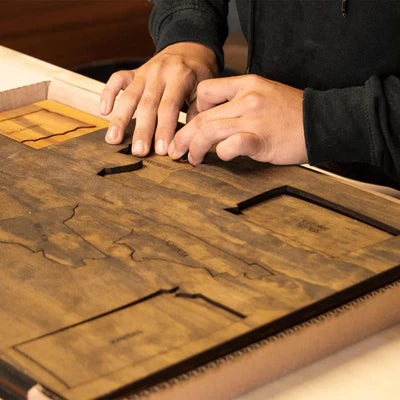
In translating such art into the physical form of a wooden jigsaw puzzle, an additional dimension unveils itself. Here, the assembly becomes a means of tactile scholarship—a process that transforms paper's layered pigment into the grain of wood, echoing the artistry of the original woodblocks. Pieces fit together not only in form but in spirit, allowing each stroke and shadow to come alive beneath the glide of one's fingertips. Is it not an act of reverence to trace the contours of Hiroshige's mountains anew, the wood lending its earthy essence to each bold line and flourishing contrast?
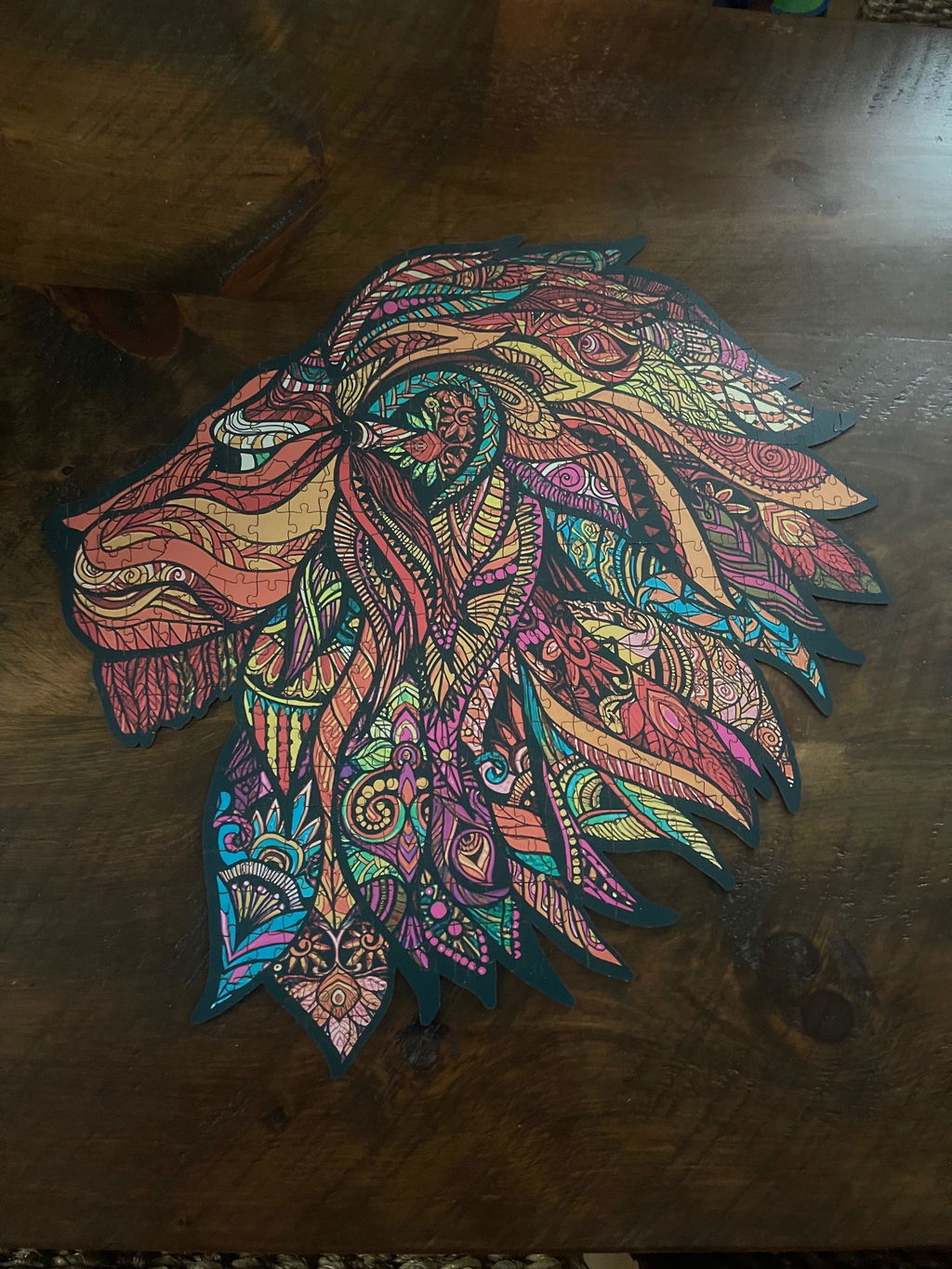
As each piece finds its place, there is a slow reverie akin to meditation—a ritual that unfurls as one reconstructs the yokai's visage or traces the crescendos of the wave in The Great Wave Wooden Jigsaw Puzzle. Here lies an object demanding not mere assembly but the savoring of each connection, a pilgrimage hand-in-hand with the artist himself.
For the discerning collector or the aficionado of Japanese art, these puzzles transcend mere pastime to become heirlooms of historical and artistic significance. They are offered not with urgency but with the promise of refinement—investments into the tangible grace of Japan's cultural heritage and the allure of its hauntingly beautiful mythologies. Whether as gifts or as cherished additions to personal collections, they serve as portals to an epoch where art and nature resonate as one.
In the stillness that follows completion, the assembled puzzle stands as a testament to Hiroshige's enduring legacy—a reflection of landscapes real yet eternally unfolding in the mind's eye. In this tranquil moment, we feel the echoes of time and craft interwoven within every piece of Japanese Art, a reminder of the profound beauty that transcends the ages.