


The Knight's Dream by Antonio de Pereda 1650 - Wooden Jigsaw Puzzle
The Knight's Dream by Antonio de Pereda 1650 - Wooden Jigsaw Puzzle
- Regular price
- Price: $115.00
- Regular price
- List Price: $0.00
- Sale price
- Price: $115.00
- Unit price
- per
Key Features:
Key Features:
- Premium Quality: Crafted from durable 3mm (.14in) composite wood board for lasting enjoyment.
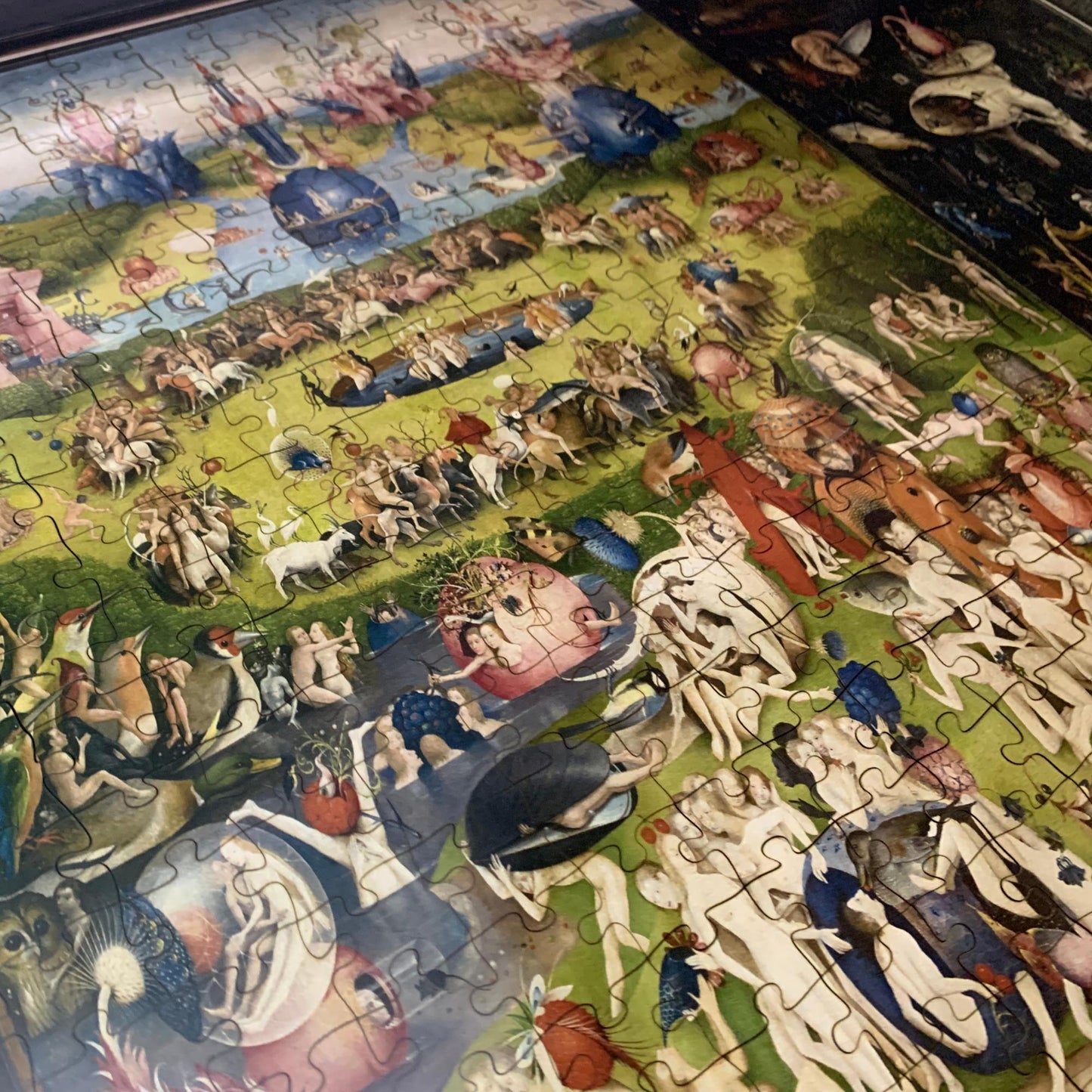
- Vibrant Imagery: High-resolution UV printing directly on the wood—no paper laminate—for stunning detail and vibrant colors.
- Eco-Conscious: Made with environmentally friendly materials.
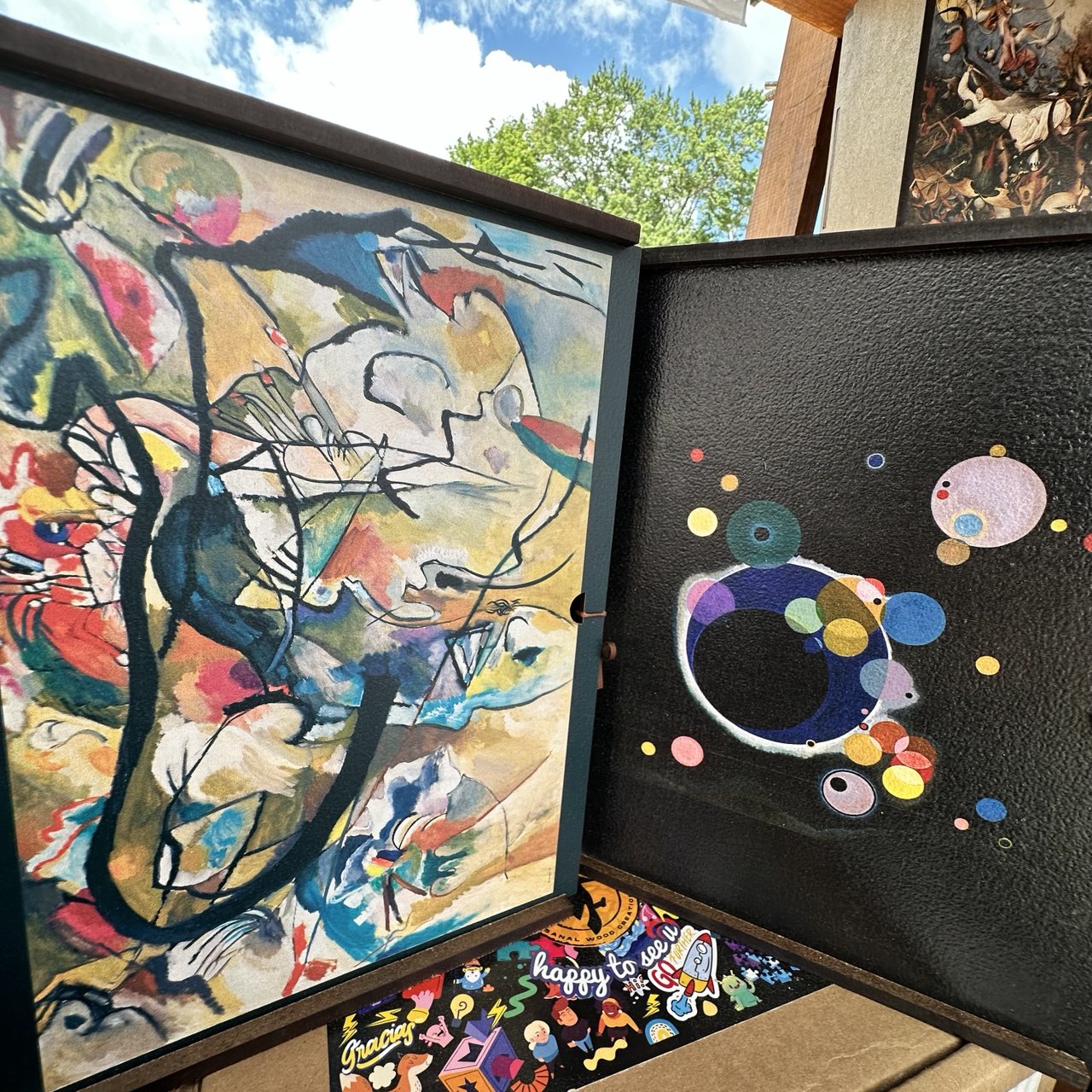
- Heirloom Keepsake: Your puzzle arrives beautifully packaged in a handcrafted wooden box, perfect for gifting or storing your masterpiece.
Craftsmanship and Care:
Craftsmanship and Care:
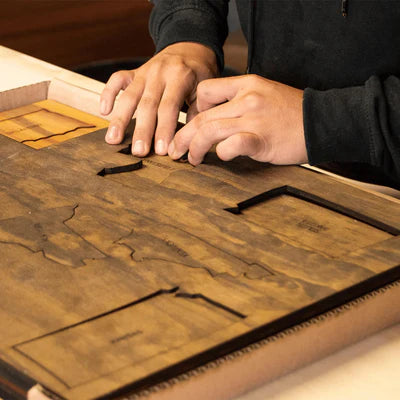
Experience the satisfying click of perfectly interlocking pieces. Our state-of-the-art laser cutting ensures precise fit and a smooth, seamless puzzle-solving experience. The perfect upgrade from cardboard without breaking the bank.
- Natural Laser Residue: A small amount of harmless black residue from the laser cutting process may be present. Simply wipe it away with a damp cloth.
- Hand-Finished Details: Each puzzle board, each wooden box are all carefully hand-stained, painted, and glued.
Satisfaction Guaranteed:
Satisfaction Guaranteed:
We are confident in the quality of our puzzles. If you are not completely satisfied, we offer a full refund or exchange.
PLEASE NOTE:
Each puzzle is crafted to make the most of your chosen size. Artwork may be subtly adjusted to meet our material and production standards while honoring the original work. Planning to frame yours? Email info@whatawoodwork.com for final measurements.
Couldn't load pickup availability
In stock
 PRODUCT DESCRIPTION
El sueño del caballero: The painting belongs to the vanitas tradition, a genre that used accumulated objects to make one argument: none of this lasts.
The angel's banner reads "Eternally it stings, swiftly it flies and kills." Pereda painted that warning directly above a sleeping man who can't read it. The coins and armor and jewels are still there when he wakes up. So is the skull. He painted this around 1650, and the joke hasn't gotten any less dark.
📖 The Story Behind This Piece
Around 1650, Antonio de Pereda arranged a nobleman's entire life on a table and then put the man to sleep in front of it. A clock sits in the composition alongside a guttering candle and at least one skull. The objects are rendered with the specificity of a still life and the weight of a sermon. The work now lives in the permanent collection of the Real Academia de Bellas Artes de San Fernando in Madrid.
Pereda built his reputation on surfaces. His training in Madrid under Pedro de las Cuevas gave him an almost tactile command of material texture, the kind that lets a painter make silk read differently from satin, and gold read differently from brass. That ability is exactly what makes a vanitas work. The objects have to be seductive before they can be cautionary. In El sueño del caballero, the armor gleams enough to want before you notice the skull sitting beside it.
The darkest section of the painting, the shadowed lower half where the skulls and clock gather, will resist you early in assembly. The pieces are nearly the same value, close browns and blacks with very little contrast to anchor them. Working through it forces a slower kind of looking. UV printing on wood deepens those shadow tones without flattening them, the way a paper laminate would, so the candle smoke and the dark drapery hold their separation all the way to the edges of each piece.
🎁 Who Gets One of These
A few specific kinds of people keep ordering this one.
✔️ The art historian who teaches 17th-century Spain — You've assigned this painting in a survey course. Rebuilding it piece by piece is a different relationship with the object than a slide on a screen.
✔️ The philosophy reader who keeps Marcus Aurelius on the nightstand — Vanitas painting is Stoicism rendered in oil. The banner's Latin inscription isn't decorative; it's the whole argument.
✔️ The collector who already owns a Baroque print — Someone who cares enough about this period to have something on the wall will care enough to want to work through the composition from the inside.
✔️ The museum member who made it to the Real Academia on a trip to Madrid — You may have seen the original. The scale of the wooden puzzle is close enough to the painting that the memory is useful.
✔️ The person who gives gifts that start conversations — The image is dense enough that recipients ask about it. The Latin on the angel's banner alone will send someone to a search bar.
Strong occasions: retirement (the vanitas theme lands differently at that particular threshold), a significant birthday, a gift for someone who has spent real time with Baroque art. Also a considered holiday gift for the person who owns too many things and will appreciate the irony of the subject matter.
🧩 Puzzle Specifications
✔️ Precision laser-cut wooden pieces
✔️ 3mm MDF core — rigid, warp-resistant, built to last
✔️ UV printing directly on wood — no paper laminate, no peeling
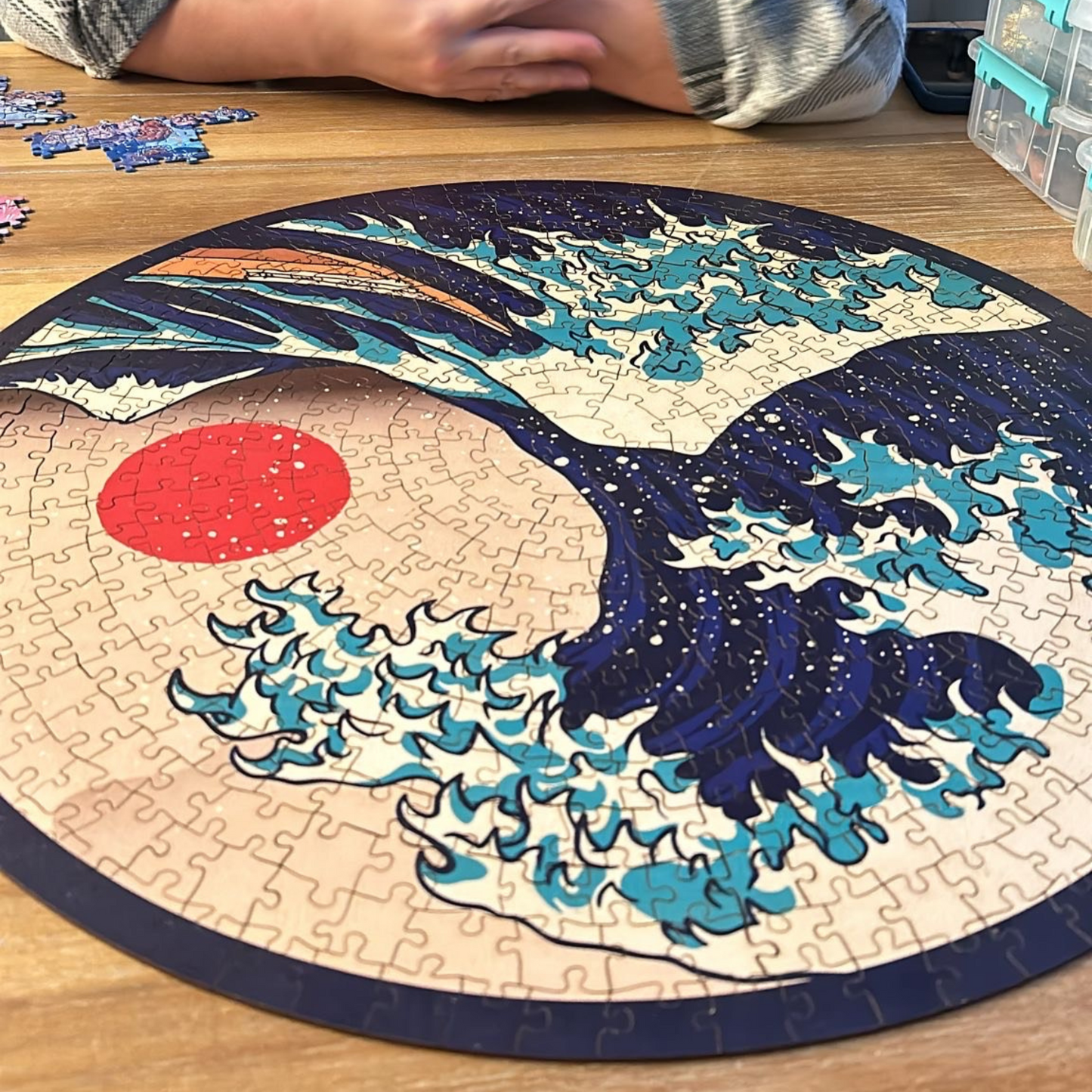
✔️ Traditional grid-cut design
✔️ Handcrafted wooden keepsake box included
✔️ Made to order — ships in 3–4 weeks
💎 Why This Puzzle Lasts
Most wooden puzzle makers charge $300 to $500. The craft supports that price. WAWW gets to $115 to $170 through direct manufacturing and a made-to-order model that carries no warehouse inventory and no wholesale margin. Same materials. No markup absorbed across a supply chain.
The 3mm MDF core is what separates a puzzle you keep from one you discard. Cardboard absorbs humidity, warps, and eventually makes pieces that once fit cleanly start to stick or separate. MDF doesn't move. A puzzle assembled on a flat surface in 2025 will have the same piece tension when someone takes it apart and reassembles it in 2045. UV printing applies color directly to that wood surface without any paper layer between the image and the substrate. With a painting as chromatically complex as Pereda's, that matters: no laminate edge to catch the light, no surface to bubble or peel around the high-contrast areas where shadow meets gold.
The traditional grid cut feels different from gimmick-shape puzzles. Pieces lock with a clean snap and stay locked. You can work a section and move it without it falling apart. The keepsake box is built to the same standard as the puzzle, solid wood with a fitted lid, the kind of thing that gets repurposed for something else once the puzzle is framed or stored. Made to order means your puzzle doesn't exist until you buy it. Production takes three to four weeks. That lead time is the reason the materials budget stays where it is
"Eternally it stings, swiftly it flies and kills." Pereda finished El sueño del caballero around 1650. The Real Academia in Madrid has been keeping it since.