


Hiroshige Wooden Puzzle – Classic Ukiyo-e Print "Sudden Shower Over Shin-Ohashi Bridge"
Hiroshige Wooden Puzzle – Classic Ukiyo-e Print "Sudden Shower Over Shin-Ohashi Bridge"
- Regular price
- Price: $115.00
- Regular price
- List Price: $0.00
- Sale price
- Price: $115.00
- Unit price
- per
Key Features:
Key Features:
- Premium Quality: Crafted from durable 3mm (.14in) composite wood board for lasting enjoyment.
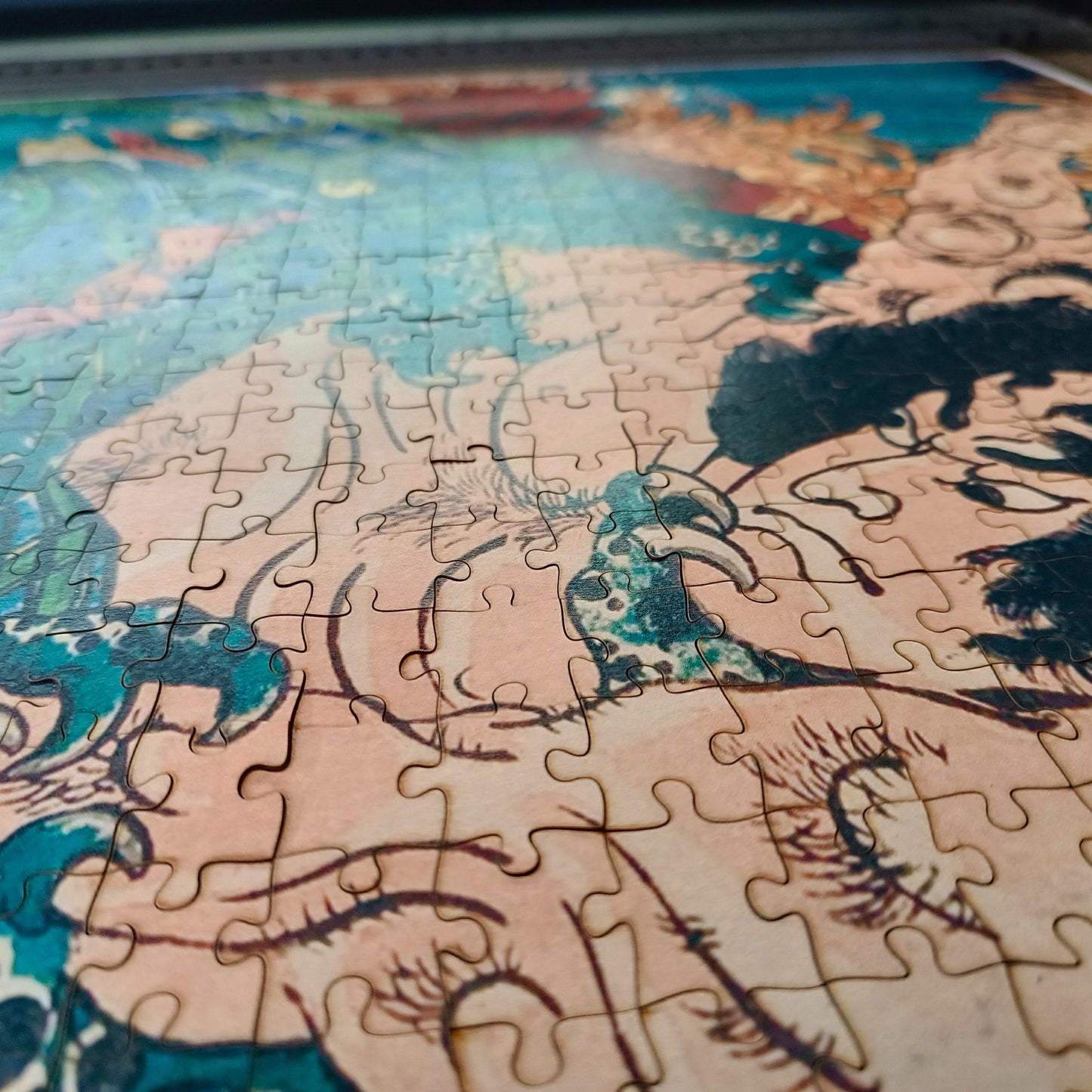
- Vibrant Imagery: High-resolution UV printing directly on the wood—no paper laminate—for stunning detail and vibrant colors.
- Eco-Conscious: Made with environmentally friendly materials.
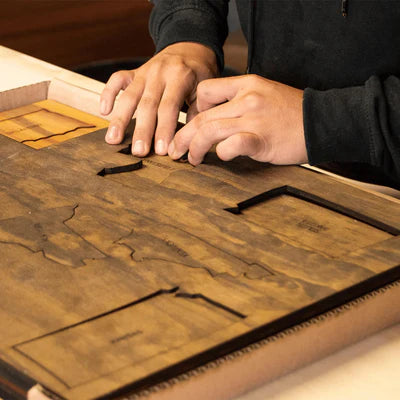
- Heirloom Keepsake: Your puzzle arrives beautifully packaged in a handcrafted wooden box, perfect for gifting or storing your masterpiece.
Craftsmanship and Care:
Craftsmanship and Care:
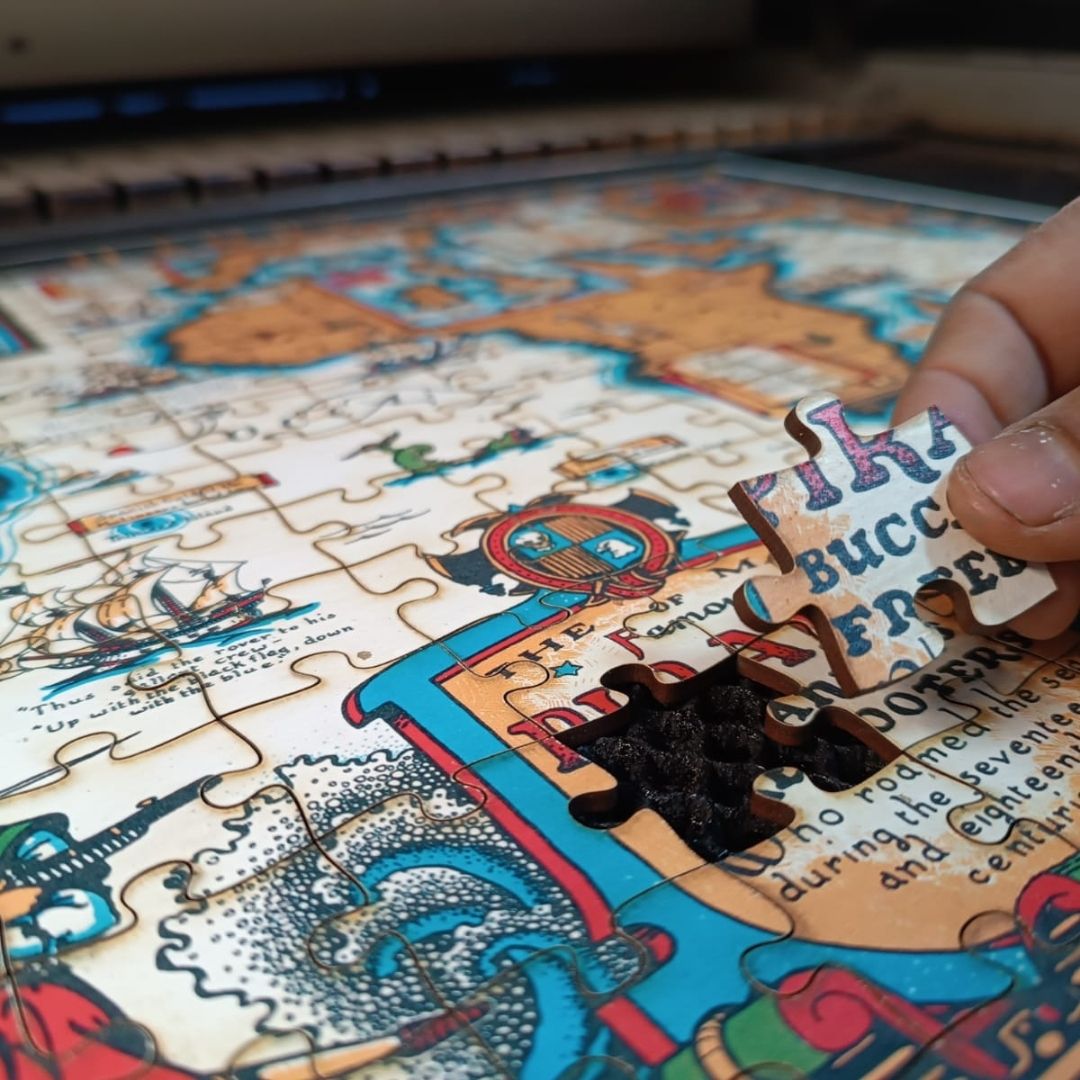
Experience the satisfying click of perfectly interlocking pieces. Our state-of-the-art laser cutting ensures precise fit and a smooth, seamless puzzle-solving experience. The perfect upgrade from cardboard without breaking the bank.
- Natural Laser Residue: A small amount of harmless black residue from the laser cutting process may be present. Simply wipe it away with a damp cloth.
- Hand-Finished Details: Each puzzle board, each wooden box are all carefully hand-stained, painted, and glued.
Satisfaction Guaranteed:
Satisfaction Guaranteed:
We are confident in the quality of our puzzles. If you are not completely satisfied, we offer a full refund or exchange.
PLEASE NOTE:
Each puzzle is crafted to make the most of your chosen size. Artwork may be subtly adjusted to meet our material and production standards while honoring the original work. Planning to frame yours? Email info@whatawoodwork.com for final measurements.
Couldn't load pickup availability
In stock
 PRODUCT DESCRIPTION
Sudden Shower over Shin-Ōhashi Bridge and Atake — Wooden Jigsaw Puzzle
Van Gogh copied this print by hand in 1887. Not as an exercise. He was thirty years into his short life and had never been to Japan, but he copied Hiroshige's rain lines one by one in oil paint, working from a reproduction, trying to understand how a woodblock carver had made weather feel inevitable. The copy hangs in the Van Gogh Museum in Amsterdam. The original print was made thirty years before Van Gogh ever saw it, by a man who had watched that storm over the Sumida River and knew exactly which lines to cut.
📖 The Story Behind This Piece
Hiroshige published this print in 1857, the year before he died, as part of One Hundred Famous Views of Edo. The scene is the Shin-Ōhashi bridge over the Sumida River, a summer squall descending without warning. Figures hunch under umbrellas and straw capes. The far bank, known as Atake, takes its name from a government warship once moored there. What makes the rain visible are dozens of thin, diagonal lines carved directly into the woodblock — a technique demanding enough that it distinguished this print within the series the moment it appeared.
Hiroshige spent his career working inside the ukiyo-e tradition, which had spent a century painting courtesans and kabuki actors. He redirected it toward landscape. The decision wasn't rebellion — it was observation. He believed weather, water, and ordinary pedestrians caught in a downpour were worth the same attention that had always gone to famous faces. That belief is what Van Gogh recognized when he saw the reproduction in Paris and decided the rain lines were worth painting in oil.
When assembling the rain section of the puzzle, the parallel diagonal lines become a sorting problem unlike anything in the image's digital thumbnail. On screen, rain reads as texture. In hand, each piece in that section looks nearly identical — same angle, same spacing — until you start noticing the subtle variations where Hiroshige's lines shift density near the roofline on the far bank. UV printing directly onto the wood surface means those fine lines hold their edge without the slight blurring that paper laminate introduces. The gray-blue of the storm sky prints into the grain of the MDF rather than sitting on top of it, which changes the way the color reads under light.
🎁 Who Gets One of These
A few specific people end up here, and they tend to know exactly why.
✔️ The ukiyo-e collector who owns prints but not reproductions — You understand the difference between a Hiroshige and a poster of a Hiroshige. A puzzle built from UV print on wood sits closer to the object than a framed paper copy does.
✔️ The person who stood in front of this at the Brooklyn Museum or the Art Institute — You spent time with the actual print behind glass. Rebuilding the rain lines from 500 or 1000 pieces is a different kind of attention than standing in front of it.
✔️ The Japanese art historian who teaches the Van Gogh connection — You've explained the Amsterdam copy in lectures. Owning a puzzle of the Hiroshige that prompted it is a reasonable thing to have in your office.
✔️ The gift-giver who is tired of giving art books — Art books get shelved. A wooden puzzle of a print this specific gets done, then framed, then explained to every visitor who asks about it.
✔️ The puzzler who has outgrown cardboard and wants something worth keeping — The rain lines in the 1000-piece version are a genuine technical problem. The wooden keepsake box means the pieces don't end up in a ziplock bag in a closet.
Works well as a birthday gift for anyone with a serious interest in Japanese art or art history. Strong fit for Mother's Day when the recipient has a documented taste for Edo-period work — not as a stretch gift, but as evidence you were paying attention.
🧩 Puzzle Specifications
✔️ Precision laser-cut wooden pieces
✔️ 3mm MDF core — rigid, warp-resistant, built to last
✔️ UV printing directly on wood — no paper laminate, no peeling
✔️ Traditional grid-cut design
✔️ Handcrafted wooden keepsake box included
✔️ Made to order — ships in 3–4 weeks
💎 Why This Puzzle Lasts
Most wooden puzzle makers charge $300–$500. The craft justifies it. We get there differently: direct manufacturing, no wholesale chain, made to order. Same materials. No markup. The price difference goes back in your pocket, not into a retail margin.
The 3mm MDF core is what separates a puzzle you keep from one you eventually throw away. Cardboard warps when humidity changes, and pieces that fit cleanly on day one start to fight you a year later. MDF holds its shape. Pieces click the same way in twenty years as they do the first time. The UV printing bonds directly to the wood surface rather than adhering through a paper layer, which means no peeling at the edges and no fading along the joins where laminate typically separates first. For a print where the rain lines are this fine, that matters.
The traditional grid cut means every piece has a clear orientation and the solving process is about reading the image, not wrestling with irregular shapes. No gimmick cuts. When the last piece goes in, it clicks. The wooden keepsake box is built to the same standard as the puzzle itself — it's where the pieces live between sessions and where they stay after the puzzle is framed or passed on. Made-to-order means no warehouse stock, no corner-cutting to meet inventory targets, and a puzzle cut specifically for your order. The wait is three to four weeks. That's what made-to-order means.