


The Cursed Woman by Octave Tassaert - Premium Wooden Puzzle
The Cursed Woman by Octave Tassaert - Premium Wooden Puzzle
- Regular price
- Price: $115.00
- Regular price
- List Price: $0.00
- Sale price
- Price: $115.00
- Unit price
- per
Key Features:
Key Features:
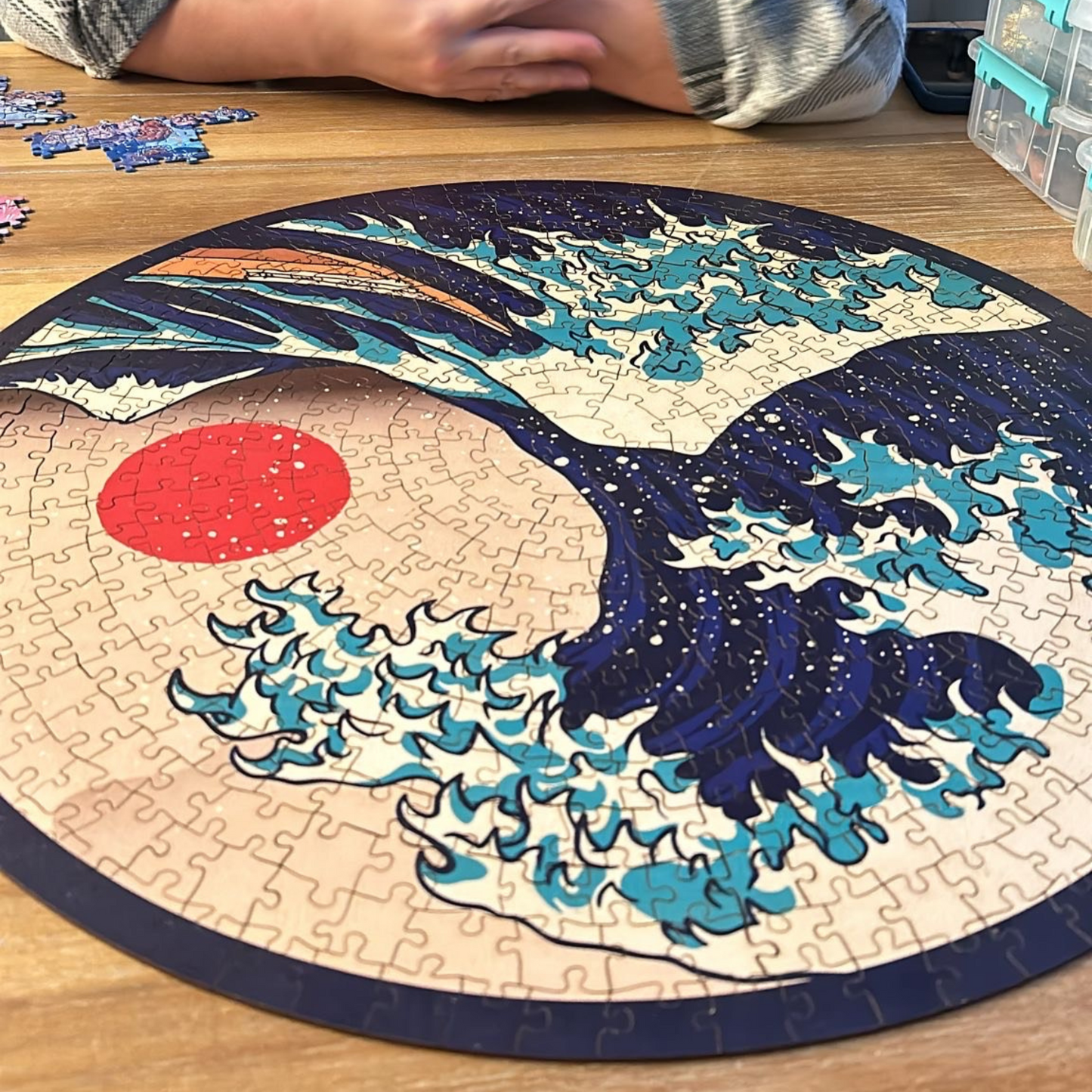
- Premium Quality: Crafted from durable 3mm (.14in) composite wood board for lasting enjoyment.
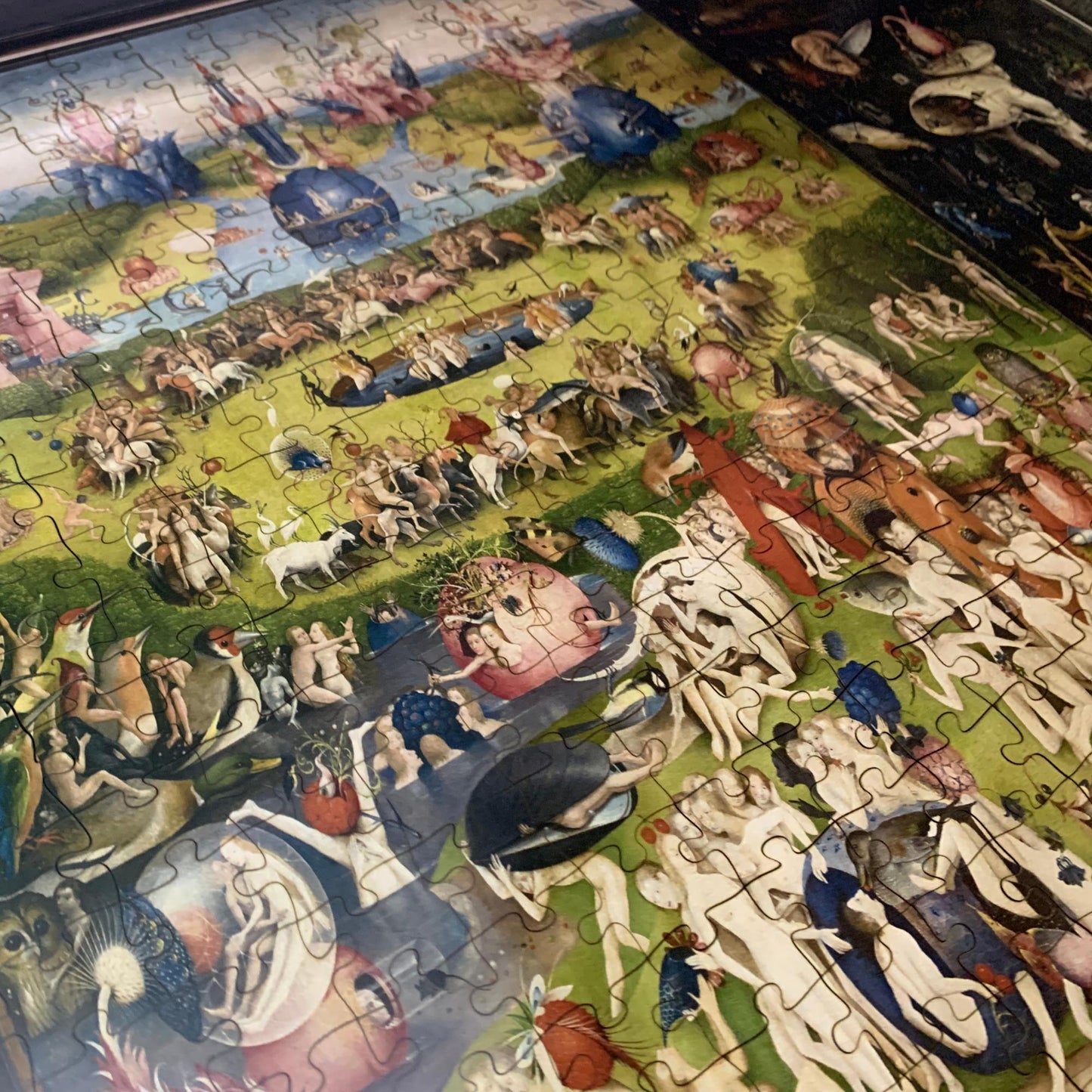
- Vibrant Imagery: High-resolution UV printing directly on the wood—no paper laminate—for stunning detail and vibrant colors.
- Eco-Conscious: Made with environmentally friendly materials.
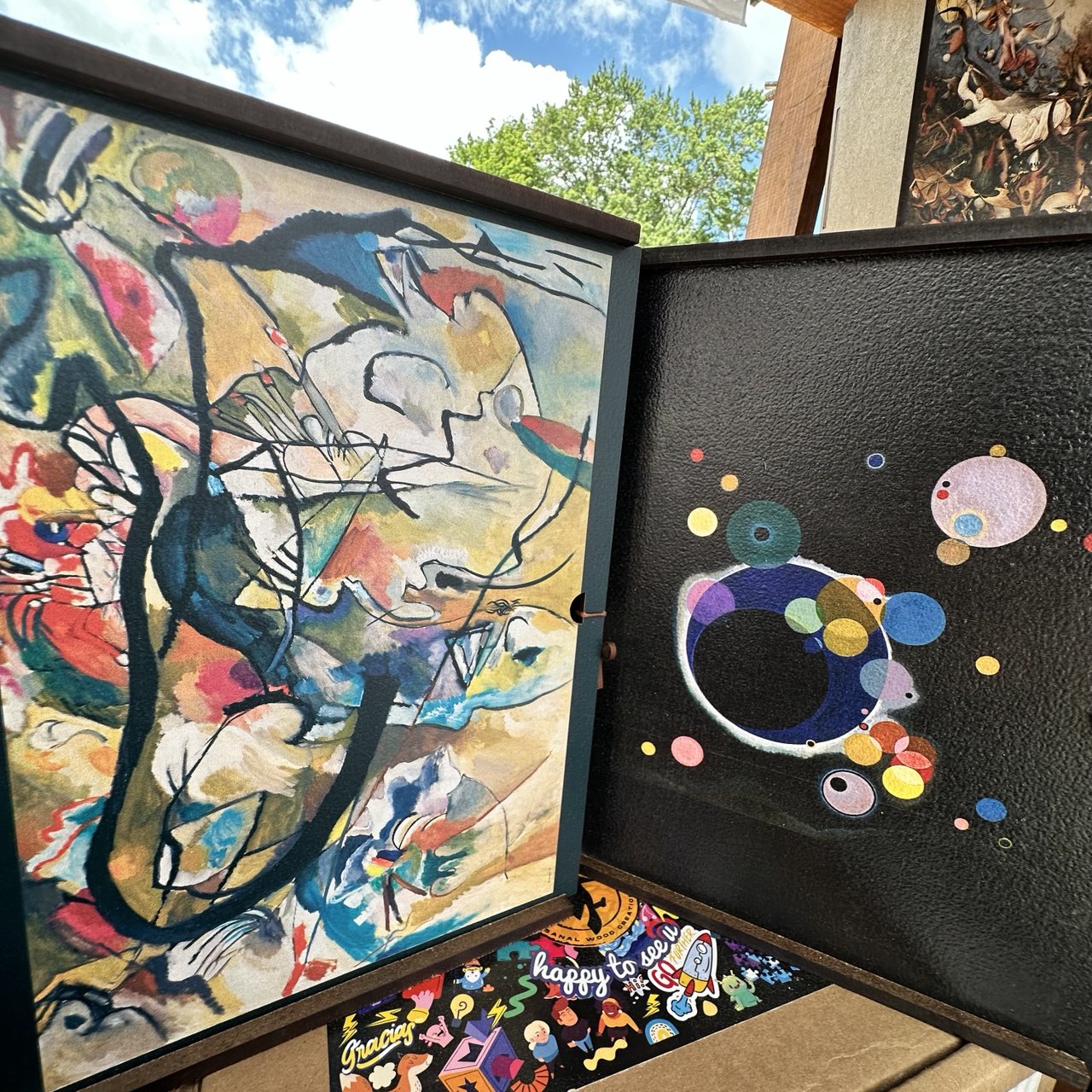
- Heirloom Keepsake: Your puzzle arrives beautifully packaged in a handcrafted wooden box, perfect for gifting or storing your masterpiece.
Craftsmanship and Care:
Craftsmanship and Care:
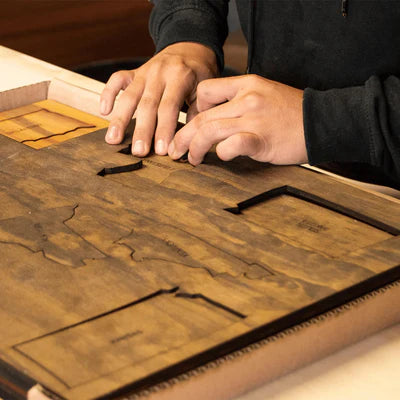
Experience the satisfying click of perfectly interlocking pieces. Our state-of-the-art laser cutting ensures precise fit and a smooth, seamless puzzle-solving experience. The perfect upgrade from cardboard without breaking the bank.
- Natural Laser Residue: A small amount of harmless black residue from the laser cutting process may be present. Simply wipe it away with a damp cloth.
- Hand-Finished Details: Each puzzle board, each wooden box are all carefully hand-stained, painted, and glued.
Satisfaction Guaranteed:
Satisfaction Guaranteed:
We are confident in the quality of our puzzles. If you are not completely satisfied, we offer a full refund or exchange.
PLEASE NOTE:
Each puzzle is crafted to make the most of your chosen size. Artwork may be subtly adjusted to meet our material and production standards while honoring the original work. Planning to frame yours? Email info@whatawoodwork.com for final measurements.
Couldn't load pickup availability
In stock
 PRODUCT DESCRIPTION
La Femme Damnée — Wooden Jigsaw Puzzle
In 1859, Octave Tassaert painted something so far outside his known work that it effectively ended his career. The man who spent decades documenting the urban poor — freezing women, starving children, bare rooms — made one explicitly erotic painting. Nobody knew what to do with it. Nobody does now, either. The painting's current location is unknown. No museum claims it.
📖 The Story Behind This Piece
Tassaert finished La Femme Damnée in 1859, mid-century France, at a moment when the Salon could destroy a career with a single rejection. The painting shows a central female figure with three androgynous companions in an arrangement that left no ambiguity about what was happening or what Tassaert thought about it. The title, "The Cursed Woman," is the part that has troubled art historians ever since. Is the curse a moral condemnation? Irony? Something else? Tassaert left no explanation, and the painting vanished from public record entirely after its exhibition.
Before this, Tassaert had built a reputation on restraint. His genre scenes of poverty were so unflinching, and so compassionate, that critics called him "Prud'hon of the Poor Man." He painted people society had given up on, and he painted them with dignity. Whatever made him turn toward La Femme Damnée — defiance, desire, private argument with convention — he clearly knew the cost. He painted it anyway.
The dark palette that defined Tassaert's work presents a specific challenge in assembly. The figures in the lower register bleed into shadow, and on screen those tones flatten into near-identical values. On wood under UV printing, with no paper laminate softening the contrast, the warm browns in the figures' skin separate from the cool blacks of the background in a way the digital file does not show. That distinction becomes the puzzle's central problem. You notice it about a third of the way through, when you realize the pieces you sorted as "dark" are actually three different colors.
🎁 Who Gets One of These
A short list of people who will actually want this, based on what the painting is and what it cost someone to make it.
✔️ The art history graduate student who wrote a chapter on 19th-century censorship — You've read the secondary literature on Courbet's scandals. Here's the painter who took the same risk and got erased for it, assembled piece by piece.
✔️ The collector who owns Romantic-era prints but nothing erotic — Tassaert spent his career in respectable darkness. One painting changed everything. That tension is built into the image itself.
✔️ The museum professional who studies works outside the permanent collection — No major institution claims this painting. Its survival is entirely digital. A wooden reproduction made to last decades is the closest thing to a physical archive it has.
✔️ The partner who is serious about 19th-century French painting — Not the impressionists. The generation just before, the ones who painted what the Salon didn't want to see.
✔️ The puzzle collector who finds contemporary subject matter boring — You've finished landscapes. You want something where the image itself has a history worth knowing before you start.
Works as an anniversary gift for two people who share a serious interest in art history, or as a considered present for someone finishing a degree in 19th-century European studies. Skip the obvious holidays unless the recipient would recognize Tassaert's name unprompted
💎 Why This Puzzle Lasts
Wooden puzzles from established brands run $300–$500. The craft genuinely justifies that number. WAWW gets to a lower price through direct manufacturing and no wholesale chain, not by cutting material quality. Same 3mm MDF core, same UV printing process, no middleman taking a margin.
The 3mm MDF core is why the pieces still click cleanly after years of storage. Cardboard absorbs humidity and warps; MDF holds its shape. You'll notice the rigidity the first time you pick up a piece — it has weight, and the edges are sharp enough that fitting two pieces together makes an audible snap.
UV printing bonds ink directly to the wood surface, with no paper laminate between the image and the material. On a painting with Tassaert's tonal range, that matters: the deep browns and blacks stay separated rather than bleeding together over time. Peeling is structurally impossible. The image will outlast the furniture it sits on.
The grid cut is traditional by design. No novelty shapes, no irregular edges that require sorting by silhouette before you can sort by color. The solving process is about the image, not the format. When the puzzle is finished, the handcrafted wooden box holds it flat, stores clean, and looks like something that belongs on a shelf rather than in a closet. Most people keep the box long after the puzzle moves on.
Made to order means nothing sits in a warehouse. Your puzzle is cut and printed after you place the order, which is why the wait is 3–4 weeks.
🖼️ After You Finish It
Most people frame it. The wooden box ends up on a nearby shelf, and it looks considered enough that visitors pick it up before they notice the image on the wall. When they do notice the image, the conversation tends to change direction. La Femme Damnée has been missing from public record for over 160 years. Owning the puzzle is a reasonable argument that it shouldn't stay that way.
⚠️ Important Notes
Puzzles may have light laser residue on the surface — a damp cloth handles it. There's a natural wood scent when the box first opens; it fades within a few days. Made-to-order production means your puzzle ships in 3–4 weeks. If anything arrives damaged, we replace or refund. No questions.