


Vanity by Cadogan Cowper - Premium Wooden Jigsaw Puzzle
Vanity by Cadogan Cowper - Premium Wooden Jigsaw Puzzle
- Regular price
- Price: $115.00
- Regular price
- List Price: $0.00
- Sale price
- Price: $115.00
- Unit price
- per
Key Features:
Key Features:
- Premium Quality: Crafted from durable 3mm (.14in) composite wood board for lasting enjoyment.
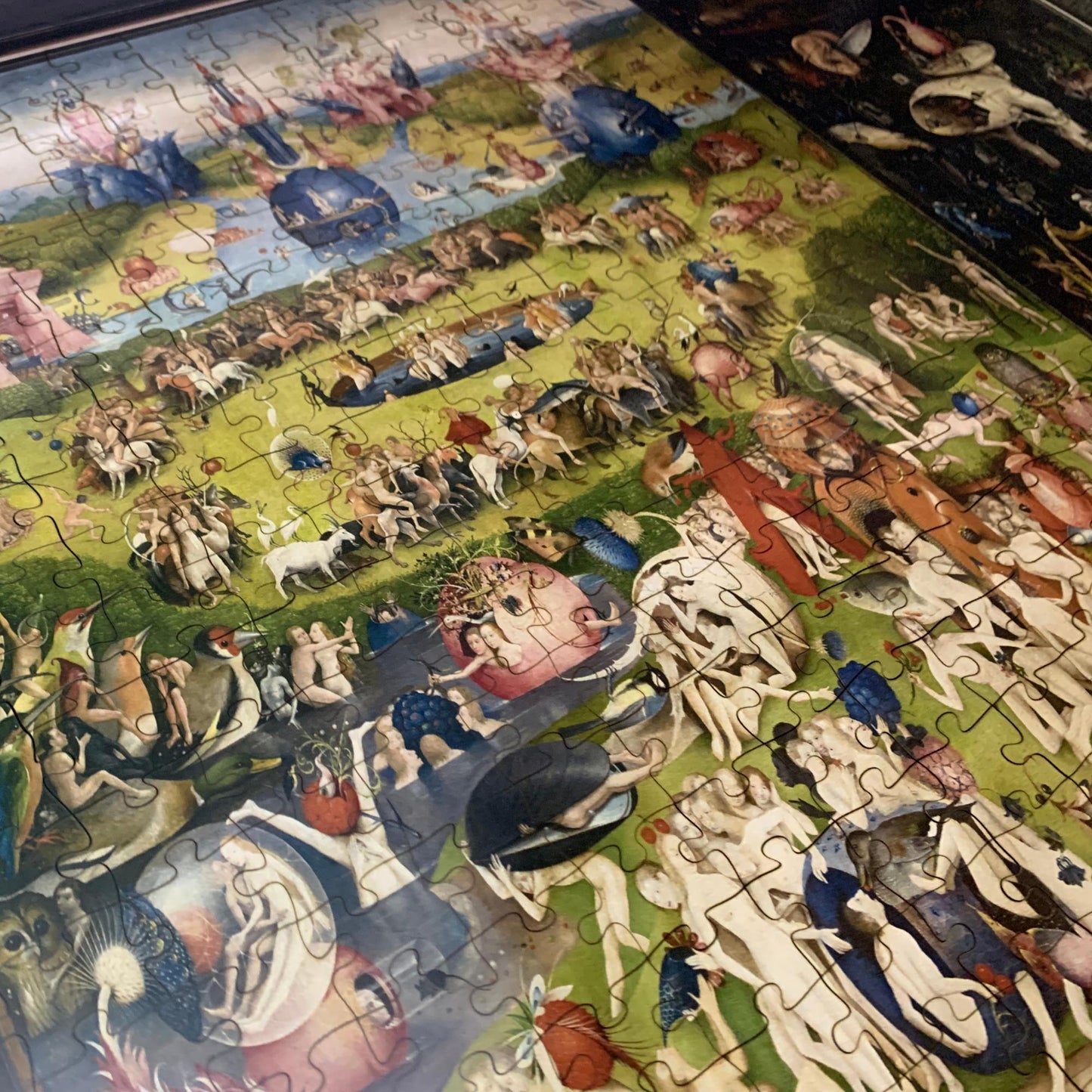
- Vibrant Imagery: High-resolution UV printing directly on the wood—no paper laminate—for stunning detail and vibrant colors.
- Eco-Conscious: Made with environmentally friendly materials.
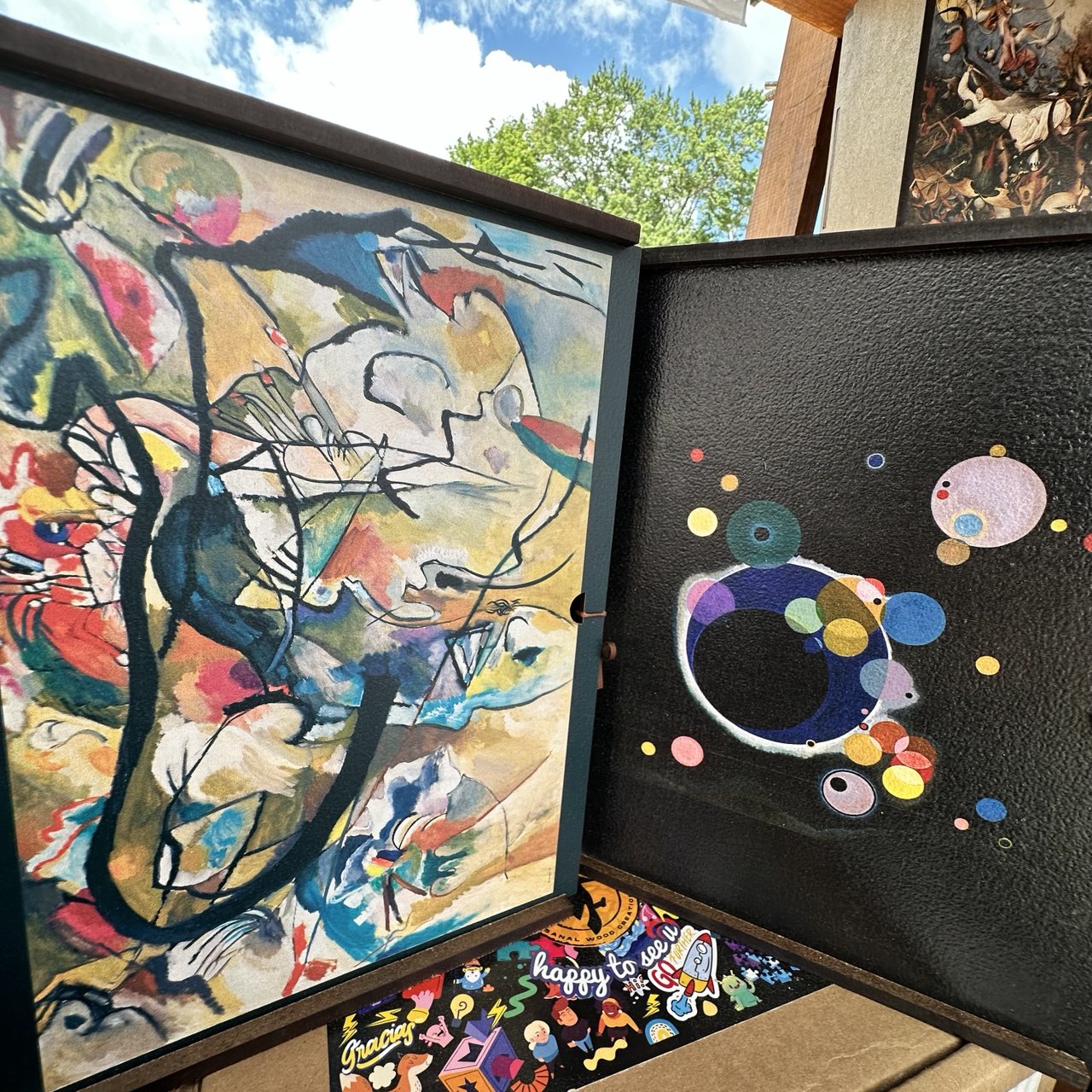
- Heirloom Keepsake: Your puzzle arrives beautifully packaged in a handcrafted wooden box, perfect for gifting or storing your masterpiece.
Craftsmanship and Care:
Craftsmanship and Care:
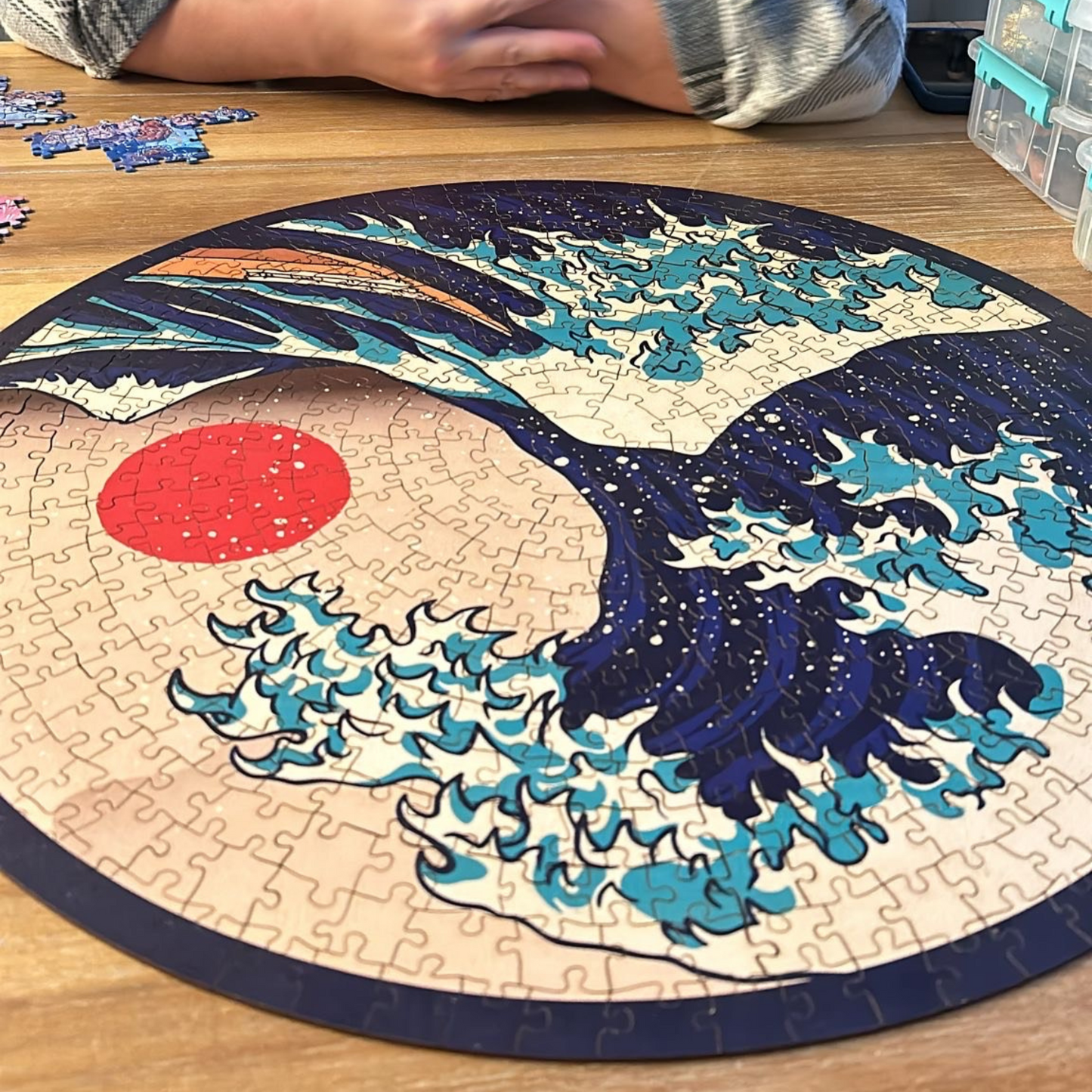
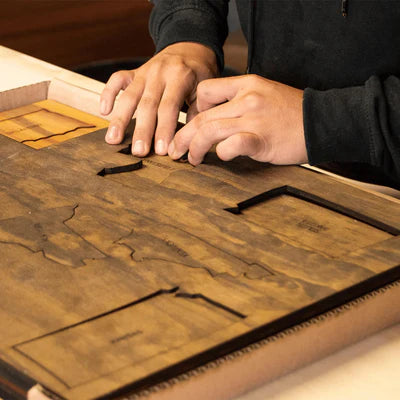
Experience the satisfying click of perfectly interlocking pieces. Our state-of-the-art laser cutting ensures precise fit and a smooth, seamless puzzle-solving experience. The perfect upgrade from cardboard without breaking the bank.
- Natural Laser Residue: A small amount of harmless black residue from the laser cutting process may be present. Simply wipe it away with a damp cloth.
- Hand-Finished Details: Each puzzle board, each wooden box are all carefully hand-stained, painted, and glued.
Satisfaction Guaranteed:
Satisfaction Guaranteed:
We are confident in the quality of our puzzles. If you are not completely satisfied, we offer a full refund or exchange.
PLEASE NOTE:
Each puzzle is crafted to make the most of your chosen size. Artwork may be subtly adjusted to meet our material and production standards while honoring the original work. Planning to frame yours? Email info@whatawoodwork.com for final measurements.
Couldn't load pickup availability
In stock
 PRODUCT DESCRIPTION
Vanity — Wooden Jigsaw Puzzle
Cowper sold this painting, then bought it back. That's not a minor footnote. He completed Vanity in 1907, parted with it, and fourteen years later paid to own it again. In 1936 he gave it to the Royal Academy as his official diploma work, which is where it still lives. The woman in the painting is absorbed in herself, unaware of everything passing. Cowper apparently was not.
📖 The Story Behind This Piece
Frank Cadogan Cowper finished Vanity in 1907 and showed it at the Royal Academy to immediate critical acclaim. The painting works inside the vanitas tradition, a genre going back to 17th-century Dutch still life, where skulls and wilting flowers reminded viewers that earthly wealth dissolves. Cowper updated the genre: his subject is a young woman in a jeweled ferronière, a 15th-century headband worn flush against the forehead, entirely absorbed in her own reflection. She does not look outward. The allegory lands without a skull in sight.
Cowper was considered the last serious practitioner of the Pre-Raphaelite Brotherhood's principles, working deep into the 20th century while modernism reshaped everything around him. For Vanity, he borrowed the serpentine patterning on her dress directly from Giulio Romano's 1531 Portrait of Margherita Paleologo. That detail matters because it collapses four centuries into one painting: a Renaissance duke's wife, refracted through Victorian symbolism, painted by a man who refused to concede the argument modernism thought it had already won.
The dress is where the puzzle gets interesting. Romano's serpentine pattern, translated through UV printing directly onto the wood surface, holds its depth in a way a paper laminate cannot. Each scale in the fabric sits as a discrete tonal problem against its neighbor, and at the 1000-piece count the transition between the fabric's shadow folds and the dark background becomes a long, quiet exercise in reading grain against grain. There are stretches where the image gives very little back until a section locks in all at once.
🎁 Who Gets One of These
A few specific kinds of people keep finding their way to this one.
✔️ The Pre-Raphaelite collector who knows Rossetti's Beata Beatrix on sight — Cowper is the movement's final chapter, and Vanity is the work he cared enough about to buy back. That's the piece for your collection.
✔️ The art historian or humanities professor — A painting that runs Giulio Romano through a vanitas framework and lands at the Royal Academy in 1907 is not a simple object. The puzzle gives you a long time to think about why it works.
✔️ The museum gift shop regular who's tired of reproductions on cardboard — UV printing on 3mm MDF holds the ferronière's jewel detail the way a paper print does not. Worth the difference.
✔️ The person who decorates with intention and doesn't replace things often — The completed puzzle frames cleanly. The wooden keepsake box does not look like packaging once it's on a shelf.
✔️ The gift-giver who needs something specific for someone who has read extensively on Victorian painting — General art gifts feel generic to people who actually know the subject. Cowper's diploma work for the Royal Academy is not generic.
Works well as a birthday gift for someone who reads art history, a Mother's Day gift for a museum member, or an anniversary gift where the person receiving it would recognize the vanitas reference immediately.
🧩 Puzzle Specifications
✔️ Precision laser-cut wooden pieces
✔️ 3mm MDF core — rigid, warp-resistant, built to last
✔️ UV printing directly on wood — no paper laminate, no peeling
✔️ Traditional grid-cut design
✔️ Sizes: 15"x23", 18"x24", 23"x31"
✔️ Piece counts: 300–1000
✔️ Handcrafted wooden keepsake box included
✔️ Made to order — ships in 3–4 weeks
💎 Why This Puzzle Lasts
Comparable wooden puzzles from other makers run $300 to $500. The craft behind those prices is real. WAWW gets to $115–$170 by manufacturing direct and selling direct, with no wholesale chain in between. Same 3mm MDF core, same UV printing on wood, same laser-cut precision. No warehouse inventory either, which means no compromise on freshness of print.
The 3mm MDF core means pieces hold their shape under pressure and humidity. Cardboard absorbs moisture and warps; MDF does not. Twenty years from now the pieces still click together cleanly, which matters if the puzzle ends up framed and then someone wants to take it apart again. UV printing bonds ink directly to the wood surface, so there is no paper layer to bubble, peel, or yellow at the edges. The serpentine dress pattern in Vanity will look the same at the corner pieces as at the center, which is not guaranteed with laminated alternatives.
The traditional grid cut means pieces fit with a satisfying resistance, not the loose rattle of cheaper cuts. When a section of that dark background finally locks in, you know it. The wooden keepsake box is built to the same standard as the puzzle itself, with a fitted lid and clean joinery. People keep it. Made to order means your puzzle is cut after you place your order, not pulled from a shelf that has been sitting in a warehouse. The 3–4 week production window is the cost of that. It is worth it.
The 300-piece, 15"x23" starts at $115. The 1000-piece, 23"x31" runs $170.
🖼️ After You Finish It
Most people frame it. The wooden box ends up nearby, on a shelf or a side table, and it reads as an object rather than as discarded packaging. Visitors notice the box before they ask about the image. Then they ask about the image. Vanity has been in the Royal Academy's permanent collection since 1936, and Cowper's decision to buy it back first, then give it away, is the kind of detail that surfaces in those conversations.
⚠️ Important Notes
Puzzles may have light laser residue on the surface — a damp cloth handles it. There's a natural wood scent when the box first opens; it fades within a few days. Made-to-order production means your puzzle ships in 3–4 weeks. If anything arrives damaged, we replace or refund. No questions.