


Allegory of Fortune by Rosa - Premium Wooden Jigsaw Puzzle
Allegory of Fortune by Rosa - Premium Wooden Jigsaw Puzzle
- Regular price
- Price: $115.00
- Regular price
- List Price: $0.00
- Sale price
- Price: $115.00
- Unit price
- per
Key Features:
Key Features:
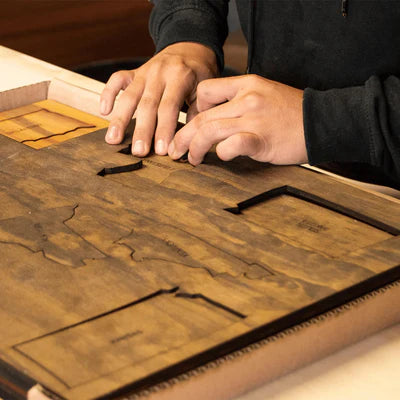
- Premium Quality: Crafted from durable 3mm (.14in) composite wood board for lasting enjoyment.
- Vibrant Imagery: High-resolution UV printing directly on the wood—no paper laminate—for stunning detail and vibrant colors.
- Eco-Conscious: Made with environmentally friendly materials.
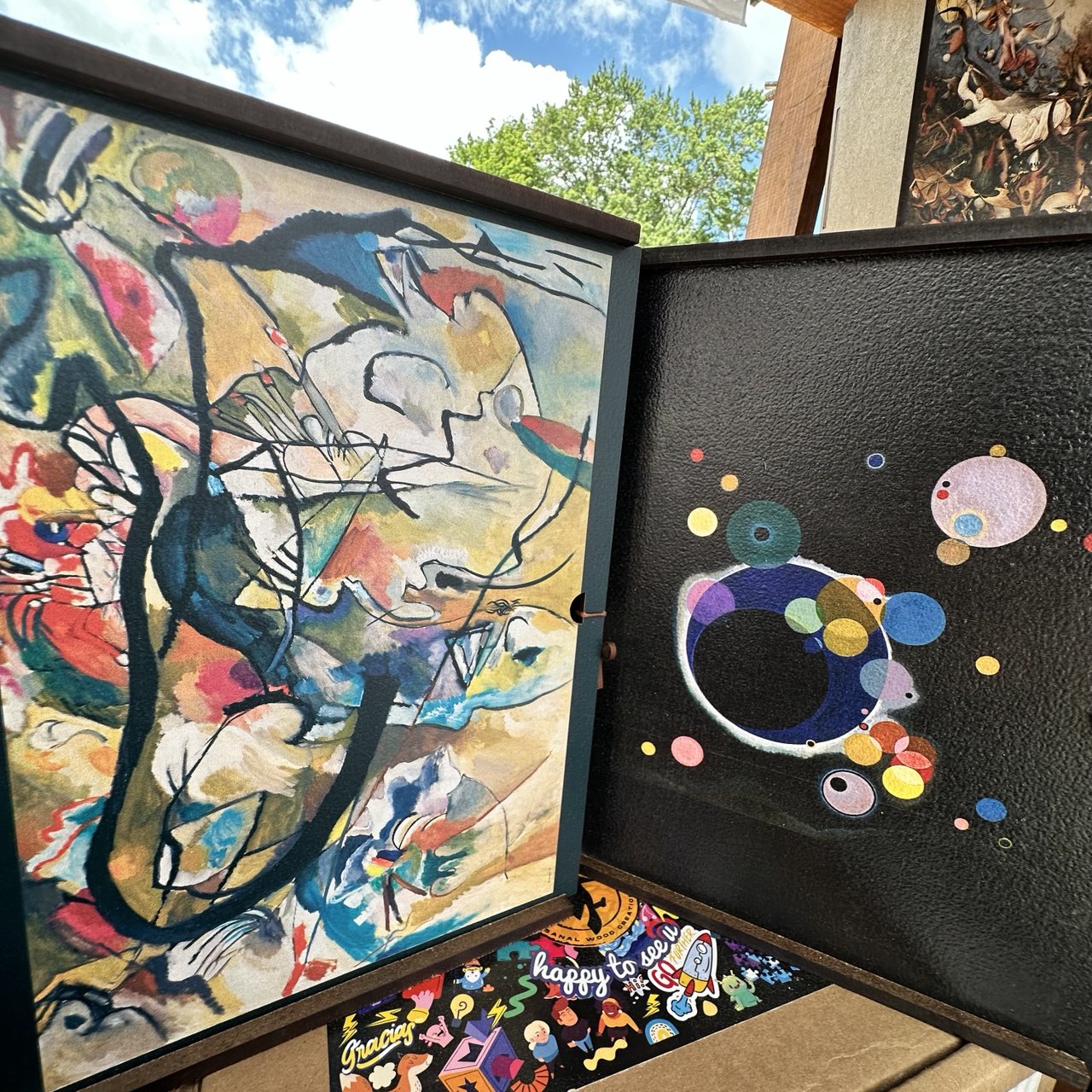
- Heirloom Keepsake: Your puzzle arrives beautifully packaged in a handcrafted wooden box, perfect for gifting or storing your masterpiece.
Craftsmanship and Care:
Craftsmanship and Care:
Experience the satisfying click of perfectly interlocking pieces. Our state-of-the-art laser cutting ensures precise fit and a smooth, seamless puzzle-solving experience. The perfect upgrade from cardboard without breaking the bank.
- Natural Laser Residue: A small amount of harmless black residue from the laser cutting process may be present. Simply wipe it away with a damp cloth.
- Hand-Finished Details: Each puzzle board, each wooden box are all carefully hand-stained, painted, and glued.
Satisfaction Guaranteed:
Satisfaction Guaranteed:
We are confident in the quality of our puzzles. If you are not completely satisfied, we offer a full refund or exchange.
PLEASE NOTE:
Each puzzle is crafted to make the most of your chosen size. Artwork may be subtly adjusted to meet our material and production standards while honoring the original work. Planning to frame yours? Email info@whatawoodwork.com for final measurements.
Couldn't load pickup availability
In stock
 PRODUCT DESCRIPTION
Allegory of Fortune: The painting has been at the Getty since 1978, where it sits quietly, still doing exactly what Rosa intended.
Salvator Rosa painted a donkey wearing a cardinal's red vestments and called it Fortune. He exhibited the painting publicly at the Pantheon in Rome in 1659. The Catholic Church understood the metaphor immediately. Rosa nearly went to prison. He was saved only because the Pope's own brother intervened on his behalf. The painting has been at the Getty since 1978, where it sits quietly, still doing exactly what Rosa intended.
📖 The Story Behind This Piece
Rosa finished this around 1658 or 1659, at a moment when he was done being subtle. The goddess Fortuna pours her riches from a cornucopia, but not onto artists or scholars. She pours onto a donkey and a swine, who are standing on top of scattered books and a painter's palette. The donkey wears red, the specific red of a cardinal's robes. Pope Alexander VII had been handing church commissions to family members and cronies. Rosa had watched it happen long enough to paint his opinion at scale and hang it in public.
Rosa built a reputation on refusal. He turned down patronage relationships that other artists competed for, because accepting them meant painting what the patron wanted. He wrote plays, performed satire, corresponded with intellectuals across Europe. The decision to exhibit the Fortune painting wasn't impulsive — he knew what the donkey in red would communicate, and he showed it anyway. That combination of precision and nerve is what makes the painting more than a historical grievance.
The image is mostly dark: deep ochres, shadowed earth tones, foliage that bleeds into brown. Then the red of the cloak hits. UV printing directly onto wood keeps that contrast alive in a way paper laminate never quite manages — the ink sits in the grain rather than on top of it, so the dark passages stay dense rather than going flat. During assembly, the tangled books and palette fragments at the animals' feet become a puzzle within the puzzle. The individual titles and brushes are visible in the original oil. In the laser-cut pieces, you find yourself holding a small dark rectangle and realizing it's the spine of a book being trampled.
🧩 Puzzle Specifications
✔️ Precision laser-cut wooden pieces
✔️ 3mm MDF core — rigid, warp-resistant, built to last
✔️ UV printing directly on wood — no paper laminate, no peeling
✔️ Traditional grid-cut design
✔️ Handcrafted wooden keepsake box included
✔️ Made to order — ships in 3–4 weeks
💎 Why This Puzzle Lasts
Most wooden puzzle makers charge $300–$500. The craft justifies it. WAWW gets to the same place differently: direct manufacturing, no wholesale chain, made to order only. Same materials. The price reflects the model, not a shortcut.
The 3mm MDF core is what makes a piece click and stay. Cardboard compresses slightly, which is why older cardboard puzzles develop that soft, almost-fit that gets worse over time. MDF doesn't compress. The pieces you set down in the first session fit exactly the same way in the last one, and they'll fit the same way in twenty years.
UV printing goes directly into the wood surface rather than onto a paper layer bonded over it. No laminate means no peeling at the edges after a few assemblies, no color shift where a piece has been handled repeatedly. Rosa's dark palette is the kind of image that suffers most when reproduction quality slips. The ink staying in the grain keeps the shadow areas reading as shadow rather than muddy grey.
The traditional grid cut means every piece has a clear role and a definite answer. No novelty shapes that create false fits. When a section of dark foliage is giving you trouble, the grid edges tell you something true about where you are in the image. The wooden keepsake box that arrives with the puzzle is built to the same standard as the puzzle itself — most people keep it on a shelf after framing, and it looks like it belongs there.
Every puzzle ships made to order. Nothing sits in a warehouse. Your specific piece count and size combination is cut after you place the order, which is part of why the tolerances stay consistent.
The Getty has owned the Allegory of Fortune since 1978. Spending time rebuilding it piece by piece is a different relationship with the same painting.