


American Sparrow Hawk by Audubon - Wooden Jigsaw Puzzle
American Sparrow Hawk by Audubon - Wooden Jigsaw Puzzle
- Regular price
- Price: $115.00
- Regular price
- List Price: $0.00
- Sale price
- Price: $115.00
- Unit price
- per
Key Features:
Key Features:
- Premium Quality: Crafted from durable 3mm (.14in) composite wood board for lasting enjoyment.
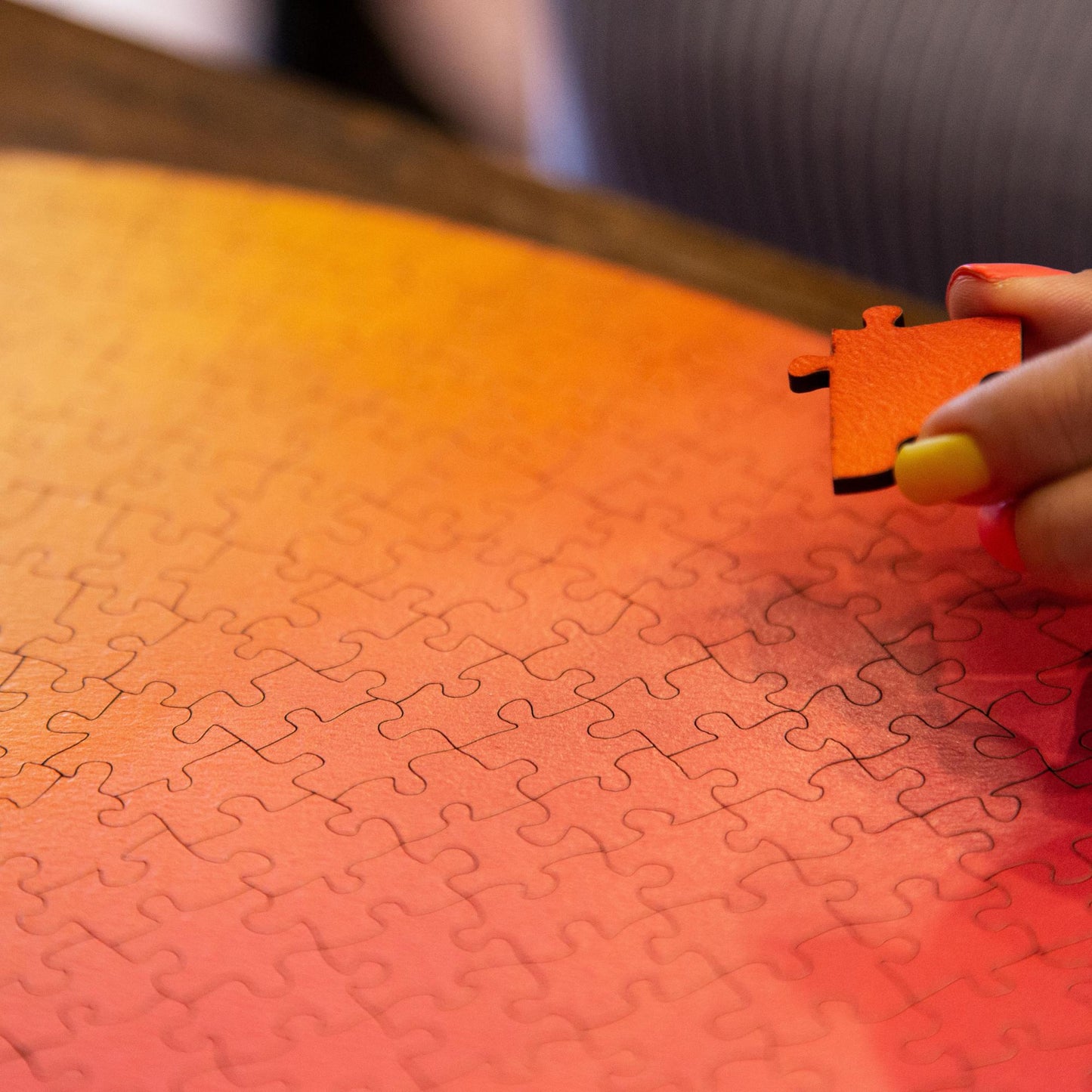
- Vibrant Imagery: High-resolution UV printing directly on the wood—no paper laminate—for stunning detail and vibrant colors.
- Eco-Conscious: Made with environmentally friendly materials.
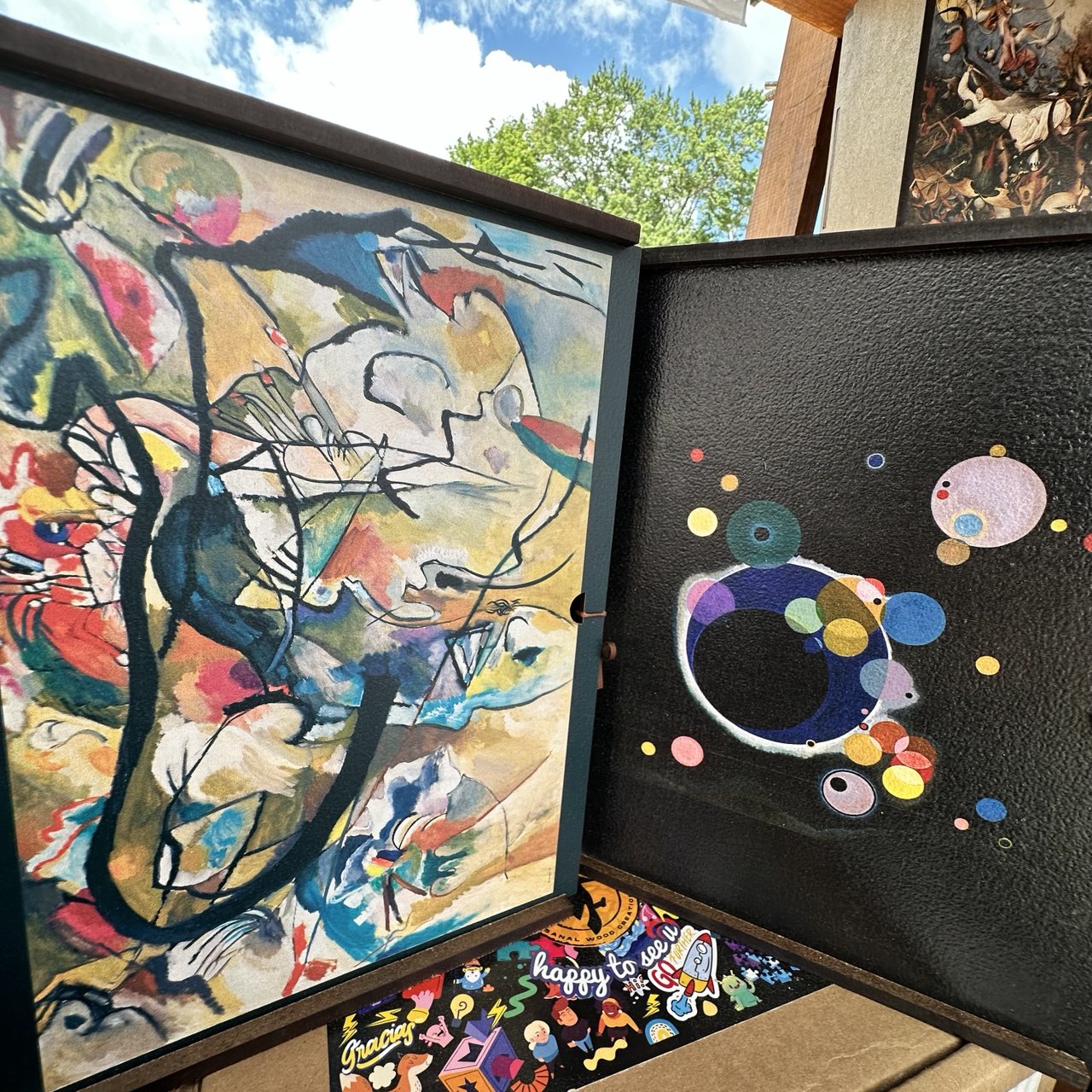
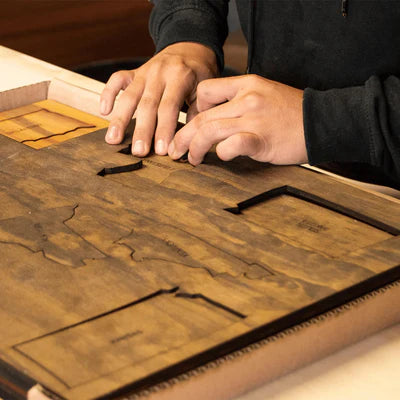
- Heirloom Keepsake: Your puzzle arrives beautifully packaged in a handcrafted wooden box, perfect for gifting or storing your masterpiece.
Craftsmanship and Care:
Craftsmanship and Care:
Experience the satisfying click of perfectly interlocking pieces. Our state-of-the-art laser cutting ensures precise fit and a smooth, seamless puzzle-solving experience. The perfect upgrade from cardboard without breaking the bank.
- Natural Laser Residue: A small amount of harmless black residue from the laser cutting process may be present. Simply wipe it away with a damp cloth.
- Hand-Finished Details: Each puzzle board, each wooden box are all carefully hand-stained, painted, and glued.
Satisfaction Guaranteed:
Satisfaction Guaranteed:
We are confident in the quality of our puzzles. If you are not completely satisfied, we offer a full refund or exchange.
PLEASE NOTE:
Each puzzle is crafted to make the most of your chosen size. Artwork may be subtly adjusted to meet our material and production standards while honoring the original work. Planning to frame yours? Email info@whatawoodwork.com for final measurements.
Couldn't load pickup availability
In stock
 PRODUCT DESCRIPTION
American Sparrow Hawk — Wooden Jigsaw Puzzle
Audubon didn't sketch birds in the field and clean them up later. He shot them, wired their bodies into position using a custom armature, and painted from the corpse before it could change. Plate 142 — the American Kestrel, then called the Sparrow Hawk — was arranged that way. The alertness in that pose is real. So is the method behind it.
📖 The Story Behind This Piece
Plate 142 of The Birds of America was published between 1827 and 1838 on double elephant folio paper, hand-colored by Robert Havell Jr. using aquatint and engraving. The subject is the American Kestrel, North America's smallest falcon, perched with a precision that looks instinctive but was carefully constructed. Havell's engraving defines every primary feather individually — not as texture, but as structure. The bird's rufous back and slate-blue wings read as flat color from a distance. Close up, they're built from hundreds of deliberate marks.
Audubon believed that natural history illustration had been too timid. The birds in earlier guides were stiff, profile-only, scientifically correct and visually dead. He pushed the other direction: drama, scale, actual behavior. The wire armature was his solution to a technical problem — how do you hold a bird in a specific pose long enough to paint it? The answer changed what wildlife illustration looked like for the next century.
During assembly, the kestrel's plumage is where the UV printing earns its keep. On a cardboard puzzle, the warm rufous of the back and the cooler blue-gray of the wings tend to flatten into adjacent tones of brown. On wood, the ink sits directly in the grain, and the contrast between those two color regions stays sharp enough to sort by. Havell's fine engraved lines — the ones defining shadow under each wing bar — become visible at piece scale in a way they simply aren't on a screen.
🎁 Who Gets One of These
A few types of people buy this one, and they're pretty easy to spot.
✔️ The birder who keeps a life list — The American Kestrel is probably already on it. Audubon's version, rendered at folio scale on wood, is a different relationship with the same bird.
✔️ The natural history collector who owns prints but not puzzles — You've had a framed Audubon on the wall for years. Assembling Plate 142 piece by piece is a closer reading than you've ever given it.
✔️ The museum member who shops the gift shop seriously — You know the difference between a reproduction and a quality object. So does the person you're buying this for.
✔️ The retired biology or ornithology teacher — Audubon's method was itself a kind of field science. Someone who spent a career teaching observation will recognize what they're looking at.
✔️ The gift-giver who's done with forgettable — You've given enough candles and wine. A handcrafted wooden puzzle of a 19th-century falcon, in a keepsake box, is harder to forget.
Works well as a retirement gift for anyone in the natural sciences, a birthday gift for the birder who has binoculars but not art, or an anniversary gift when the couple has a thing about birds or American history. Forced if the recipient has no connection to nature, illustration, or the era.
🧩 Puzzle Specifications
✔️ Precision laser-cut wooden pieces
✔️ 3mm MDF core — rigid, warp-resistant, built to last
✔️ UV printing directly on wood — no paper laminate, no peeling
✔️ Traditional grid-cut design
✔️ Sizes: 15"x23", 18"x24", 23"x31"
✔️ Piece counts: 300–1000
✔️ Handcrafted wooden keepsake box included
✔️ Made to order — ships in 3–4 weeks
💎 Why This Puzzle Lasts
Most wooden puzzle makers charge $300–$500. The craft justifies that price. We get there differently: direct manufacturing, no wholesale chain, made to order. Same materials. No markup passed through three sets of hands before it reaches you.
The 3mm MDF core is what keeps pieces clicking cleanly after years of use. Cardboard compresses at the joints and eventually the fit loosens. MDF doesn't. The rigidity also means the puzzle lays flat on the table from the first piece to the last, without the subtle warping that makes cardboard edges curl in dry air. UV ink bonds directly to the wood surface rather than to a paper layer glued on top. There's no laminate to bubble, crack, or peel at the corners after repeated assembly. The color you see on day one is the color you'll see in twenty years.
The cut follows a traditional grid pattern, which means each piece has a consistent, predictable shape. No gimmick silhouettes, no trick pieces — just clean geometry that makes sorting feel systematic rather than chaotic. When the puzzle is complete, it goes back into a handcrafted wooden box that was built alongside it, not chosen from a generic inventory. That box is where most of them live between assemblies, or on a shelf, or given as the object itself. Production starts when you order. Nothing about your puzzle exists before you place it, which is why the wait is three to four weeks and why there's no warehouse version of this sitting in a fulfillment center getting handled until the edges soften.
The 300-piece, 15"x23" starts at $115. The 1000-piece, 23"x31" runs $170.
🖼️ After You Finish It
Most people frame it. The wooden box ends up nearby — on a shelf, on a side table — because it's too well-made to discard. Visitors notice the image first, then ask about the box. Plate 142 has been in museum collections since the 1830s. The National Gallery of Art holds an original. Assembling Havell's engraving yourself, feather by feather, is a slower way of looking at the same thing.
⚠️ Important Notes
Puzzles may have light laser residue on the surface — a damp cloth handles it. There's a natural wood scent when the box first opens; it fades within a few days. Made-to-order production means your puzzle ships in 3–4 weeks. If anything arrives damaged, we replace or refund. No questions.