
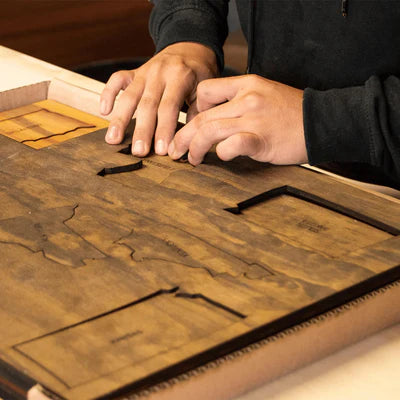


Christ's Entry into Brussels - Ensor | Wooden Puzzle
Christ's Entry into Brussels - Ensor | Wooden Puzzle
- Regular price
- Price: $145.00
- Regular price
- List Price: $0.00
- Sale price
- Price: $145.00
- Unit price
- per
Key Features:
Key Features:
- Premium Quality: Crafted from durable 3mm (.14in) composite wood board for lasting enjoyment.
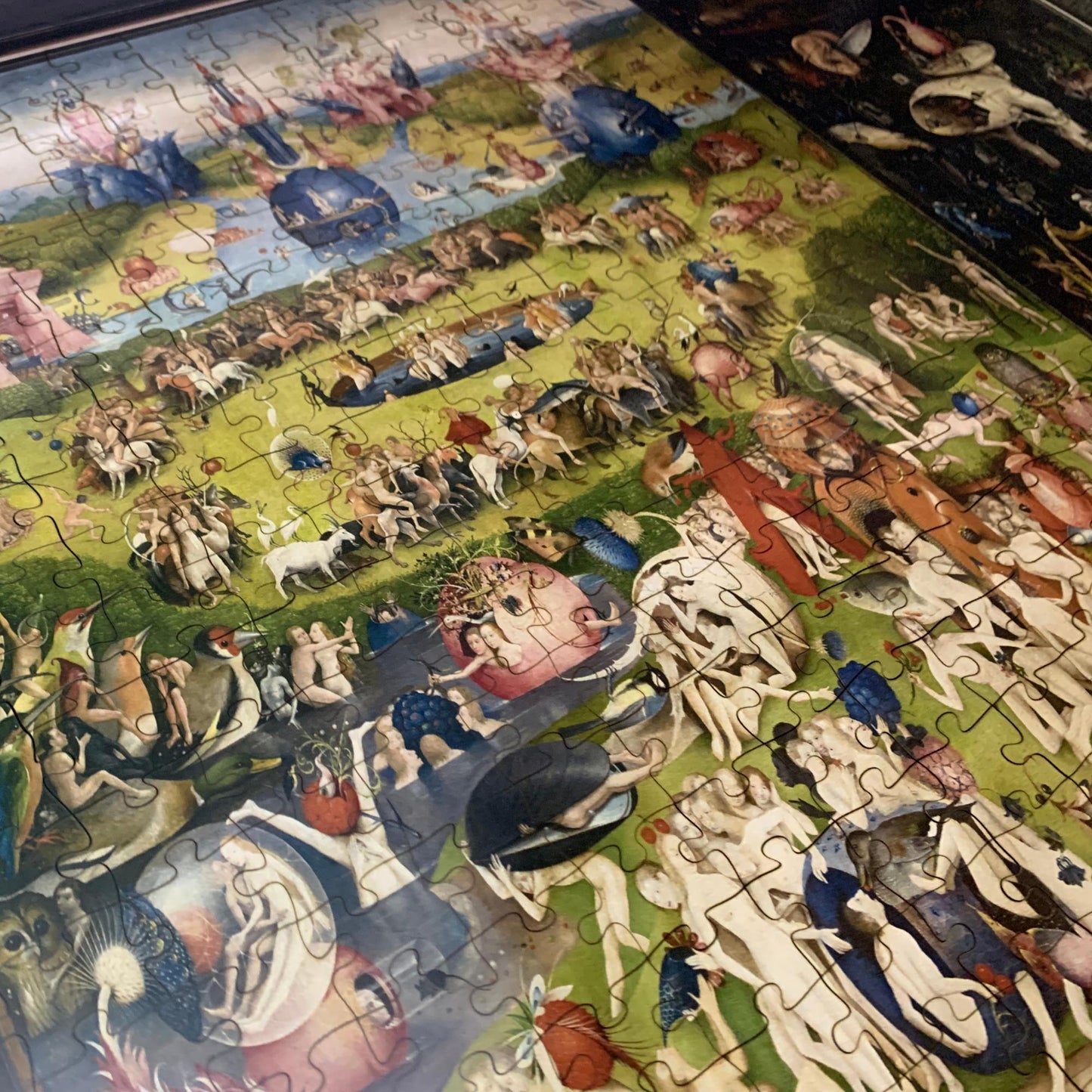
- Vibrant Imagery: High-resolution UV printing directly on the wood—no paper laminate—for stunning detail and vibrant colors.
- Eco-Conscious: Made with environmentally friendly materials.
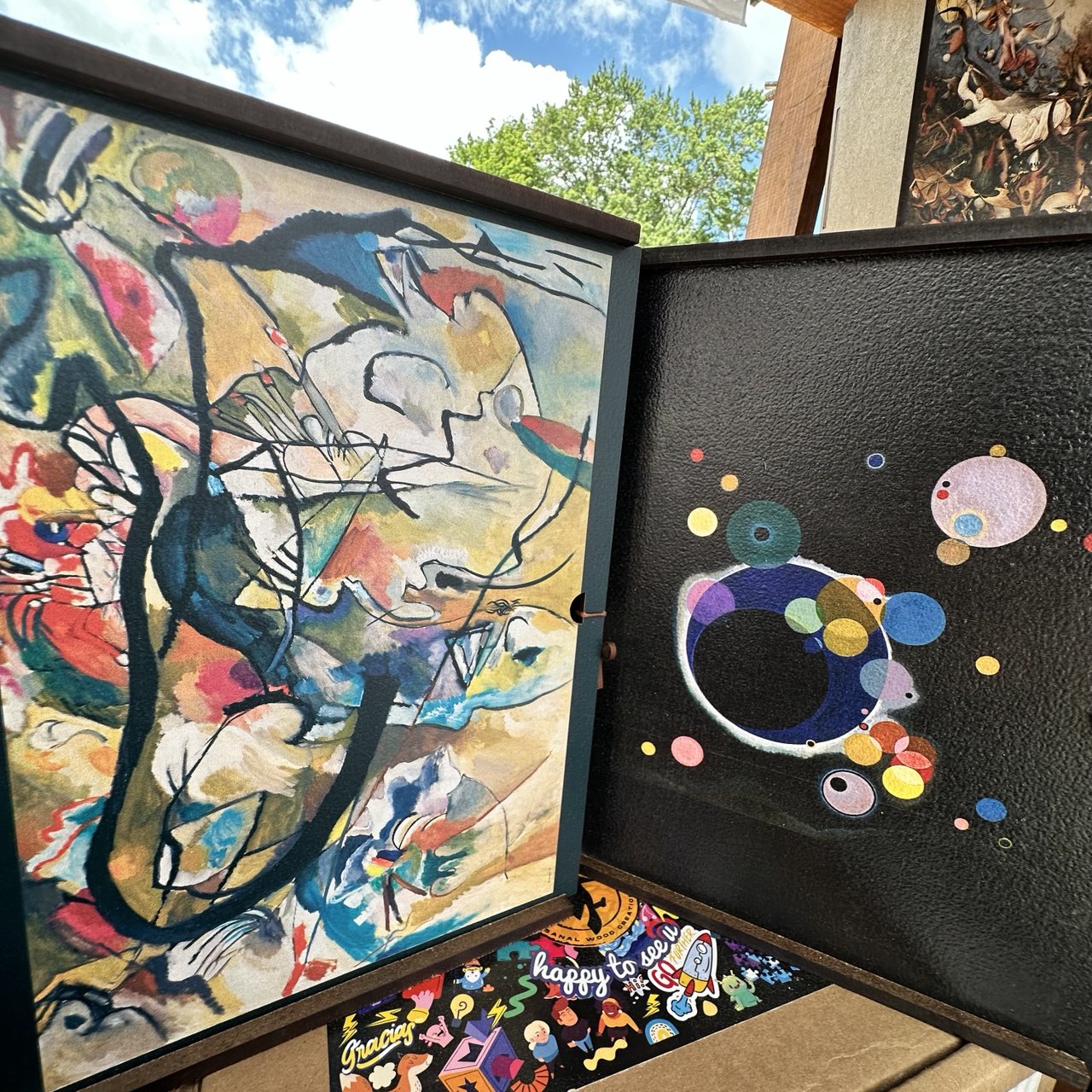
- Heirloom Keepsake: Your puzzle arrives beautifully packaged in a handcrafted wooden box, perfect for gifting or storing your masterpiece.
Craftsmanship and Care:
Craftsmanship and Care:
Experience the satisfying click of perfectly interlocking pieces. Our state-of-the-art laser cutting ensures precise fit and a smooth, seamless puzzle-solving experience. The perfect upgrade from cardboard without breaking the bank.
- Natural Laser Residue: A small amount of harmless black residue from the laser cutting process may be present. Simply wipe it away with a damp cloth.
- Hand-Finished Details: Each puzzle board, each wooden box are all carefully hand-stained, painted, and glued.
Satisfaction Guaranteed:
Satisfaction Guaranteed:
We are confident in the quality of our puzzles. If you are not completely satisfied, we offer a full refund or exchange.
PLEASE NOTE:
Each puzzle is crafted to make the most of your chosen size. Artwork may be subtly adjusted to meet our material and production standards while honoring the original work. Planning to frame yours? Email info@whatawoodwork.com for final measurements.
Couldn't load pickup availability
In stock
 PRODUCT DESCRIPTION
Christ's Entry into Brussels in 1889 — Wooden Jigsaw Puzzle
Ensor painted this in 1888, set it one year in the future, and titled it after an event that never happened. The avant-garde group he helped found — Les XX — rejected it anyway. He kept it in his studio for decades. The J. Paul Getty Museum acquired it in 1987. At roughly eight by fourteen feet, it is one of the largest paintings of the 19th century, and nearly every face in it is wearing a mask.
📖 The Story Behind This Piece
Ensor finished this painting in 1888, but the title insists on 1889 — a year that hadn't arrived yet, a procession that existed only on canvas. The scene is Brussels, and Christ is somewhere in the middle of it, riding a donkey through a carnival crowd so loud and self-absorbed that almost no one notices him. Politicians, clergy, the Belgian bourgeoisie: Ensor gave them all grotesque, mask-like faces. The brushwork is aggressive, almost violent in places. The colors refuse to be quiet. And at eight by fourteen feet, the original doesn't let you look away from any of it.
Ensor had real grievances with the world he painted. He grew up above his family's souvenir shop in Ostend, surrounded by carnival masks and sea-bleached curios, and he never fully left that sensibility behind. When the Belgian art establishment ignored or mocked his work, he painted them into crowds of grinning masks. The decision to place Christ at the center of a society that ignores him wasn't theological — it was a precise indictment. Ensor included himself in the painting, too. He painted his own face on Christ.
Assembling this puzzle means working through a crowd of hundreds of figures, most of them packed into a dense horizontal band across the canvas. That band is where the difficulty concentrates. Ensor's brushwork in the crowd sections isn't blended — he left the strokes visible and distinct, which means adjacent pieces share palette but not texture. On a cardboard print, those brushmarks flatten into mush. UV printing directly onto the wood surface holds the impasto quality, the way one color sits on top of another rather than blending into it. You'll notice the difference when you're sorting the coral banners from the carnation flesh tones and they keep refusing to look the same.
🎁 Who Gets One of These
A few specific people keep finding their way to this one.
✔️ The art historian who teaches 19th-century European movements — You've assigned Ensor in syllabi. Spending a weekend reconstructing his most controversial painting is a different kind of engagement with the argument he was making.
✔️ The museum member who visited the Getty Center and stood in front of the original — You know how big this painting actually is. Rebuilding it at 23"x31" gives you a reason to go back to that wall in your memory.
✔️ The collector who owns work in the Expressionist tradition — Ensor predates German Expressionism by two decades. Having the puzzle in the house alongside the collection makes a point worth making.
✔️ The person who gives gifts that require explanation — Not everyone will know this painting. That's the point. The conversation starts the moment they look at the faces.
✔️ The puzzler who has finished every landscape and wants something that fights back — Hundreds of masked figures, dense crowd composition, no restful sky to anchor the corners. A real problem to solve.
Strong fit for milestone birthdays, retirement gifts for academics or curators, and holiday giving for anyone who collects art or art books. The subject — a society failing to pay attention — has a way of feeling current.
🧩 Puzzle Specifications
✔️ Precision laser-cut wooden pieces
✔️ 3mm MDF core — rigid, warp-resistant, built to last
✔️ UV printing directly on wood — no paper laminate, no peeling
✔️ Traditional grid-cut design
✔️ Handcrafted wooden keepsake box included
✔️ Made to order — ships in 3–4 weeks
💎 Why This Puzzle Lasts
Comparable wooden puzzles from established brands run $300 to $500. The craft behind them justifies it. WAWW gets to the same place differently: direct manufacturing, no wholesale chain, made to order. Same materials, no markup. The gap is structural, not a compromise.
The 3mm MDF core is what keeps a puzzle worth keeping. It doesn't warp, doesn't bow at the corners, and the pieces click with the same resistance on the last assembly as the first. Cardboard softens over time — the tabs fray, the fit loosens. MDF doesn't. Twenty years from now, the fit is the same.
UV printing bonds ink directly to the wood surface. No paper laminate means no edge to peel, no layer to separate if the humidity changes. For a painting like this one — with its dense, overlapping brushstrokes and competing color fields — that surface stability is what keeps the detail readable rather than muddied. The laser cut runs a traditional grid pattern: clean connectors, predictable fit, no novelty shapes fighting the image for attention. When you finish, the pieces go back into the handcrafted wooden box. Most people keep the box. It's the kind of object that earns a shelf.
🖼️ After You Finish It
Most people frame it. The wooden box ends up nearby — on a shelf, on a side table — because it's too well-made to put in a drawer. Visitors notice the image first, then ask which painting it is, and then someone mentions that Ensor painted his own face on Christ and the room goes quiet for a second. "Christ's Entry into Brussels in 1889" has been in art history curricula for over a century. Rebuilding it yourself is a different kind of attention.