


Grace by Enstrom - Premium Wooden Jigsaw Puzzle
Grace by Enstrom - Premium Wooden Jigsaw Puzzle
- Regular price
- Price: $115.00
- Regular price
- List Price: $0.00
- Sale price
- Price: $115.00
- Unit price
- per
Key Features:
Key Features:
- Premium Quality: Crafted from durable 3mm (.14in) composite wood board for lasting enjoyment.
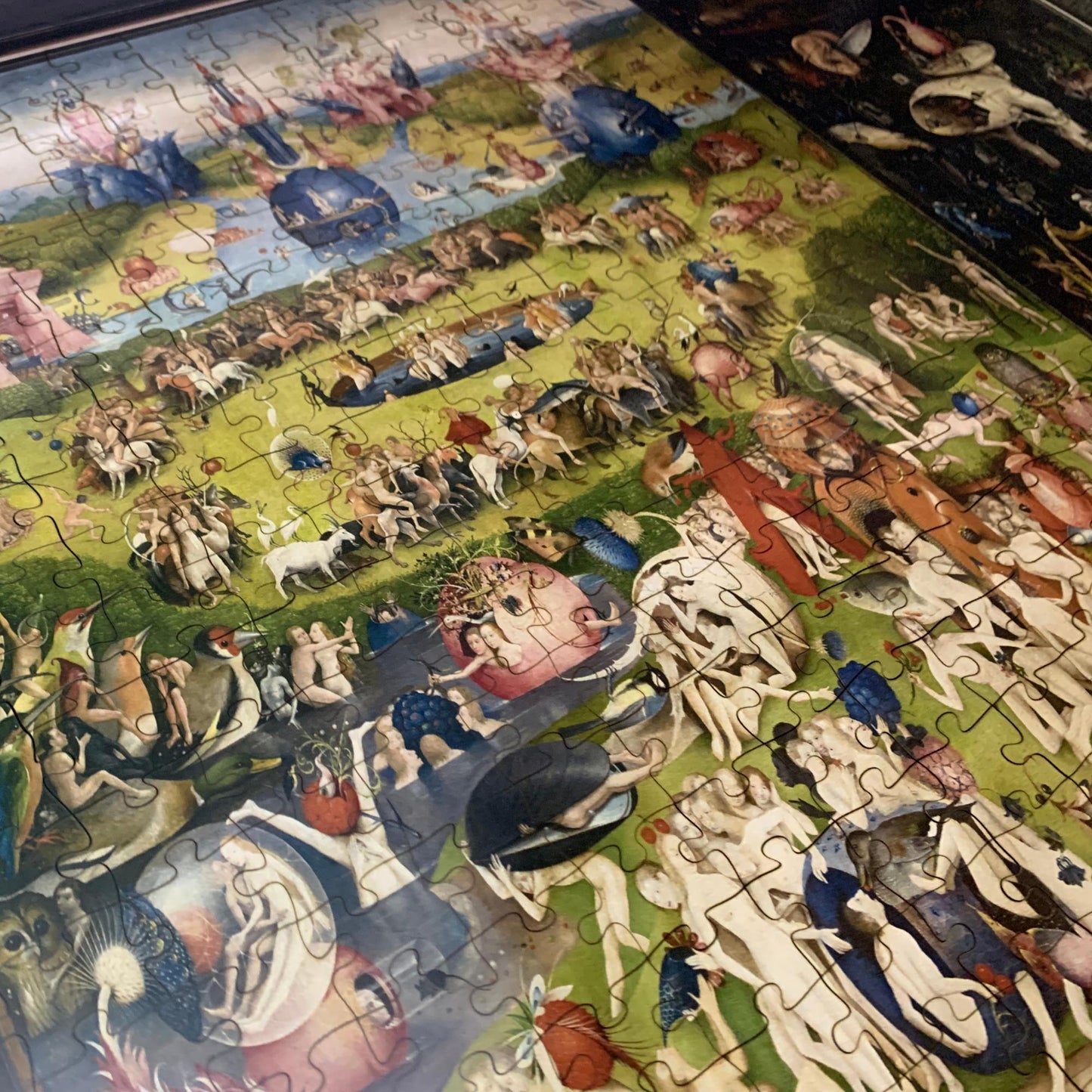
- Vibrant Imagery: High-resolution UV printing directly on the wood—no paper laminate—for stunning detail and vibrant colors.
- Eco-Conscious: Made with environmentally friendly materials.
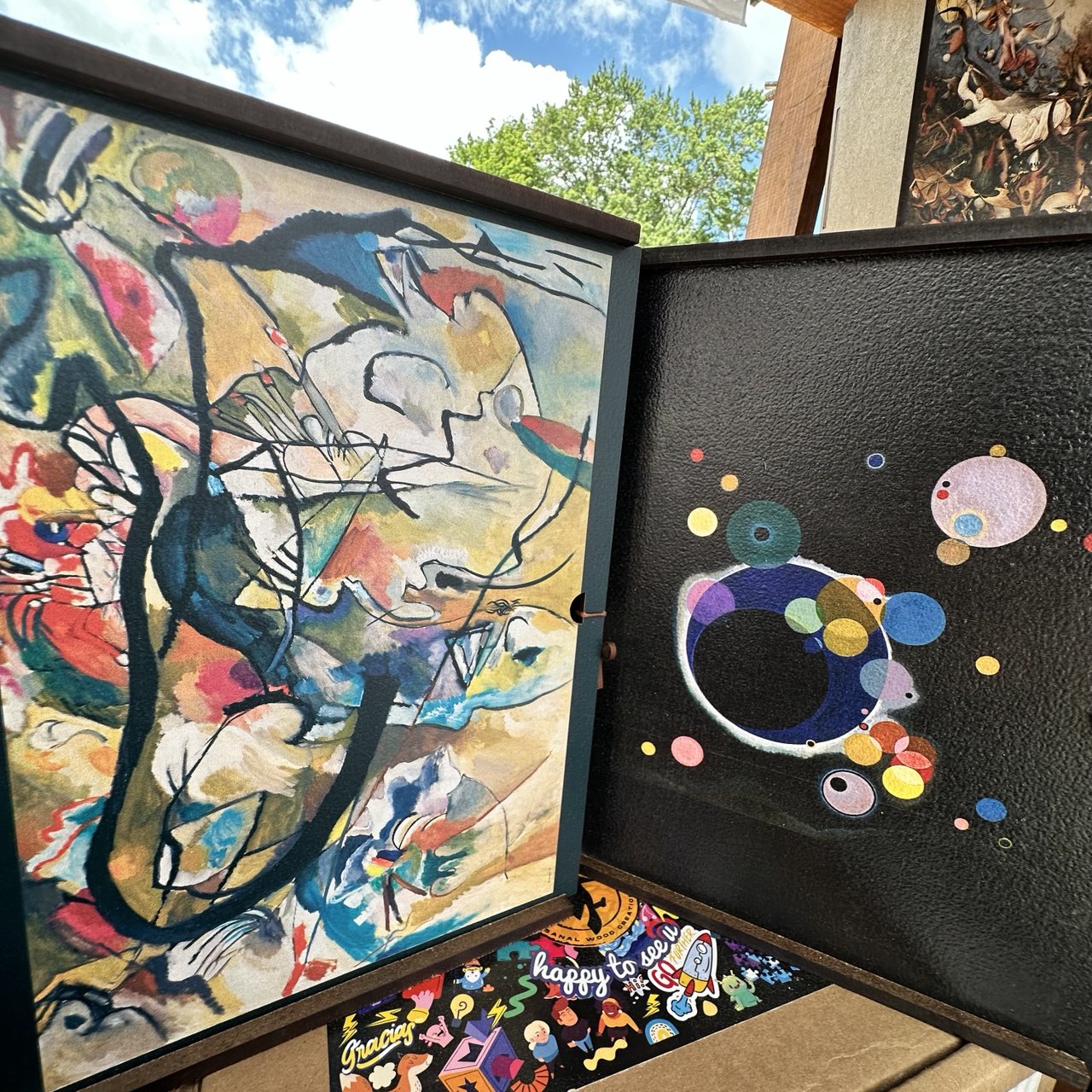
- Heirloom Keepsake: Your puzzle arrives beautifully packaged in a handcrafted wooden box, perfect for gifting or storing your masterpiece.
Craftsmanship and Care:
Craftsmanship and Care:
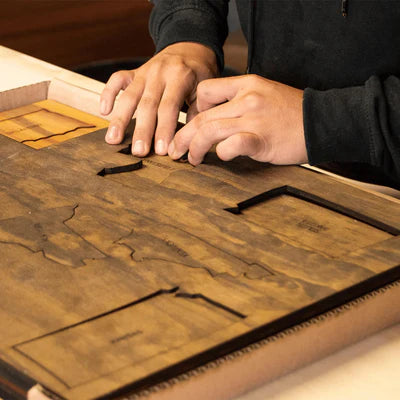
Experience the satisfying click of perfectly interlocking pieces. Our state-of-the-art laser cutting ensures precise fit and a smooth, seamless puzzle-solving experience. The perfect upgrade from cardboard without breaking the bank.
- Natural Laser Residue: A small amount of harmless black residue from the laser cutting process may be present. Simply wipe it away with a damp cloth.
- Hand-Finished Details: Each puzzle board, each wooden box are all carefully hand-stained, painted, and glued.
Satisfaction Guaranteed:
Satisfaction Guaranteed:
We are confident in the quality of our puzzles. If you are not completely satisfied, we offer a full refund or exchange.
PLEASE NOTE:
Each puzzle is crafted to make the most of your chosen size. Artwork may be subtly adjusted to meet our material and production standards while honoring the original work. Planning to frame yours? Email info@whatawoodwork.com for final measurements.
Couldn't load pickup availability
In stock
 PRODUCT DESCRIPTION
Grace, Man Praying Over Bread — Wooden Jigsaw Puzzle
The Bible on the table in this photograph is a dictionary. Eric Enstrom used what he had in his Bovey, Minnesota studio in 1918, and nobody noticed — or nobody minded — because the image said what it needed to say anyway. Charles Wilden, a traveling peddler who accepted five dollars and walked out of history, has been in more American homes than almost any other photograph ever taken.
📖 The Story Behind This Piece
Enstrom made this photograph in 1918, while the country was still at war and scarcity was ordinary. The gruel in the bowl was real. The bread was real. The knife, the dictionary standing in for a Bible, the bowed head of an old man who had very little — all of it was assembled deliberately, to make a specific argument about gratitude during a specific kind of hard year. It worked well enough that the State of Minnesota made it the official state photograph in 2002, eighty-four years after Enstrom clicked the shutter.
Enstrom was a Swedish-American photographer working out of a small studio in northern Minnesota. He was not making art for galleries. He was making pictures for the kind of people who hung things on walls because those things meant something. The detail that changes how you read the image: his daughter Rhoda Nyberg hand-colorized it years later, adding the warm amber tones most people associate with the photograph now. What feels like a single, original object is actually the work of two people across two generations.
The hand-colorization is where the puzzle gets interesting to assemble. Rhoda's color work gives the image a narrow, warm palette — browns, golds, deep shadows — and large sections of the tablecloth and background resolve into gradients with almost no hard edges to anchor a piece's position. The UV printing on wood pulls those subtle tonal shifts off a screen and into something with actual surface grain, so a section that reads as flat beige in a digital image has visible depth in your hand. That section of the table near the bread is where most solvers slow down and start sorting by feel as much as by color.
🎁 Who Gets One of These
A few specific people always end up here.
✔️ The Americana collector who cares about provenance — You know Minnesota photographers, you know the WWI context, and you've seen cheap prints of this image your whole life. A version made to last is overdue.
✔️ The parent or grandparent who has this print on their wall already — "Grace" has hung in American homes since before most of us were born. A puzzle version of something already beloved is a different kind of gift than something new.
✔️ The photography enthusiast who studies composition — Enstrom's framing is deceptively careful. Rebuilding it piece by piece is a slow way to notice exactly how he arranged the light and the objects on that table.
✔️ The person who always gives something forgettable at Thanksgiving — Gratitude is literally the subject of this photograph, made in a year when gratitude was harder than usual. The occasion fits without being forced.
✔️ The puzzle buyer who has finished cardboard and wants something to keep — The wooden box stays on the shelf. The puzzle is worth framing. Neither one ends up in a closet.
Strongest occasion fits: Thanksgiving, for obvious reasons, and Christmas gifts for parents or grandparents who grew up with this image on a wall. Also a considered choice for anyone marking a milestone that calls for something quiet and plain and good.
🧩 Puzzle Specifications
✔️ Precision laser-cut wooden pieces
✔️ 3mm MDF core — rigid, warp-resistant, built to last
✔️ UV printing directly on wood — no paper laminate, no peeling
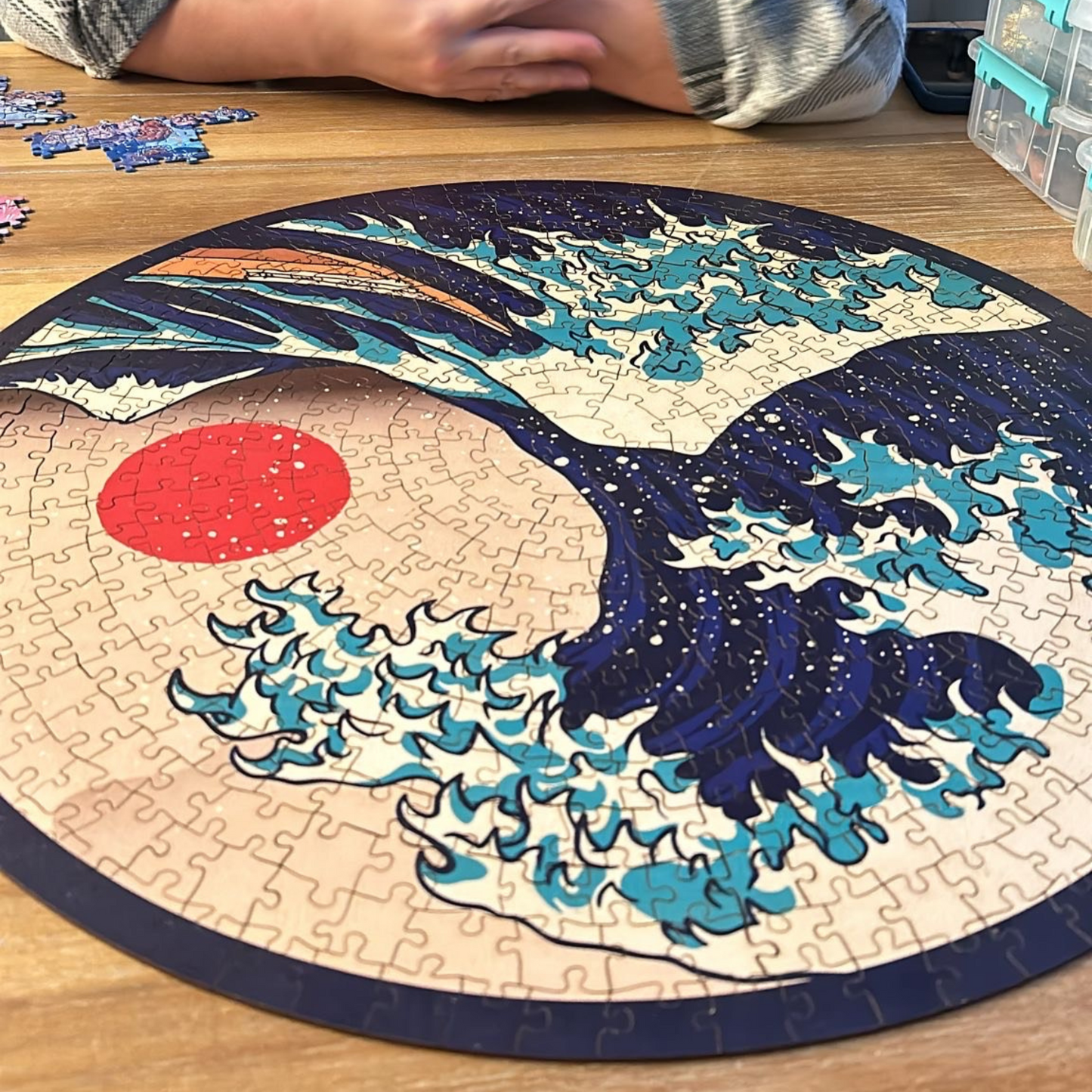
✔️ Traditional grid-cut design
✔️ Sizes: 15"x23", 18"x24", 23"x31"
✔️ Piece counts: 300–1000
✔️ Handcrafted wooden keepsake box included
✔️ Made to order — ships in 3–4 weeks
💎 Why This Puzzle Lasts
Most wooden puzzle makers charge $300 to $500. The craft justifies it. WAWW gets to the same place differently: direct manufacturing, no wholesale chain, made to order with no warehouse inventory sitting between the cutting table and your door. Same materials. No markup passed on to you.
The 3mm MDF core is what separates this from cardboard puzzles after a few years. Cardboard compresses, warps in humidity, and stops clicking clean. MDF holds its shape, and the pieces fit the same way on the hundredth assembly as the first. UV printing bonds color directly into the wood surface, which means no paper laminate to bubble or peel. Rhoda Nyberg's hand-colorized tones — those warm ambers and deep shadows — stay exactly as she rendered them, not degraded by a laminate layer slowly separating from the substrate.
The traditional grid cut means every piece has a clear orientation and a satisfying mechanical click when it seats correctly. No novelty shapes, no gimmicks — just the clean feedback of a well-made piece finding its place. When the puzzle is finished, the handcrafted wooden box becomes the permanent home for it. People keep these boxes on bookshelves. Some frame the completed puzzle and keep the box beside it. The made-to-order production means your specific puzzle is cut after you order it, which adds three to four weeks to the wait and eliminates the compromises that come with mass production.
The 300-piece, 15"x23" starts at $115. The 1000-piece, 23"x31" runs $170.
🖼️ After You Finish It
Most people frame it. The wooden box ends up nearby on a shelf. Visitors recognize the image immediately — it has been in American homes for over a hundred years — and then they look closer and ask about the wood grain showing through the print. Charles Wilden sat for this photograph for five dollars and then disappeared from every record anyone can find. The image outlasted him by more than a century, and here it still is.
⚠️ Important Notes
Puzzles may have light laser residue on the surface — a damp cloth handles it. There's a natural wood scent when the box first opens; it fades within a few days. Made-to-order production means your puzzle ships in 3–4 weeks. If anything arrives damaged, we replace or refund. No questions.