
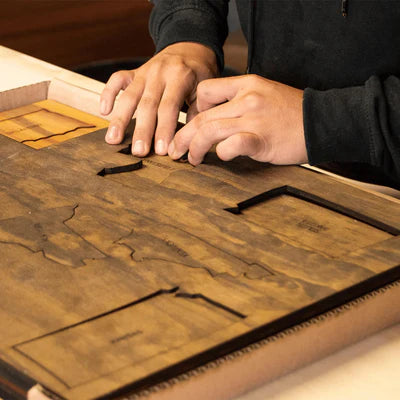


1903 Berlin Scene by Paeschke - Premium Wooden Jigsaw Puzzle
1903 Berlin Scene by Paeschke - Premium Wooden Jigsaw Puzzle
- Regular price
- Price: $115.00
- Regular price
- List Price: $0.00
- Sale price
- Price: $115.00
- Unit price
- per
Key Features:
Key Features:
- Premium Quality: Crafted from durable 3mm (.14in) composite wood board for lasting enjoyment.
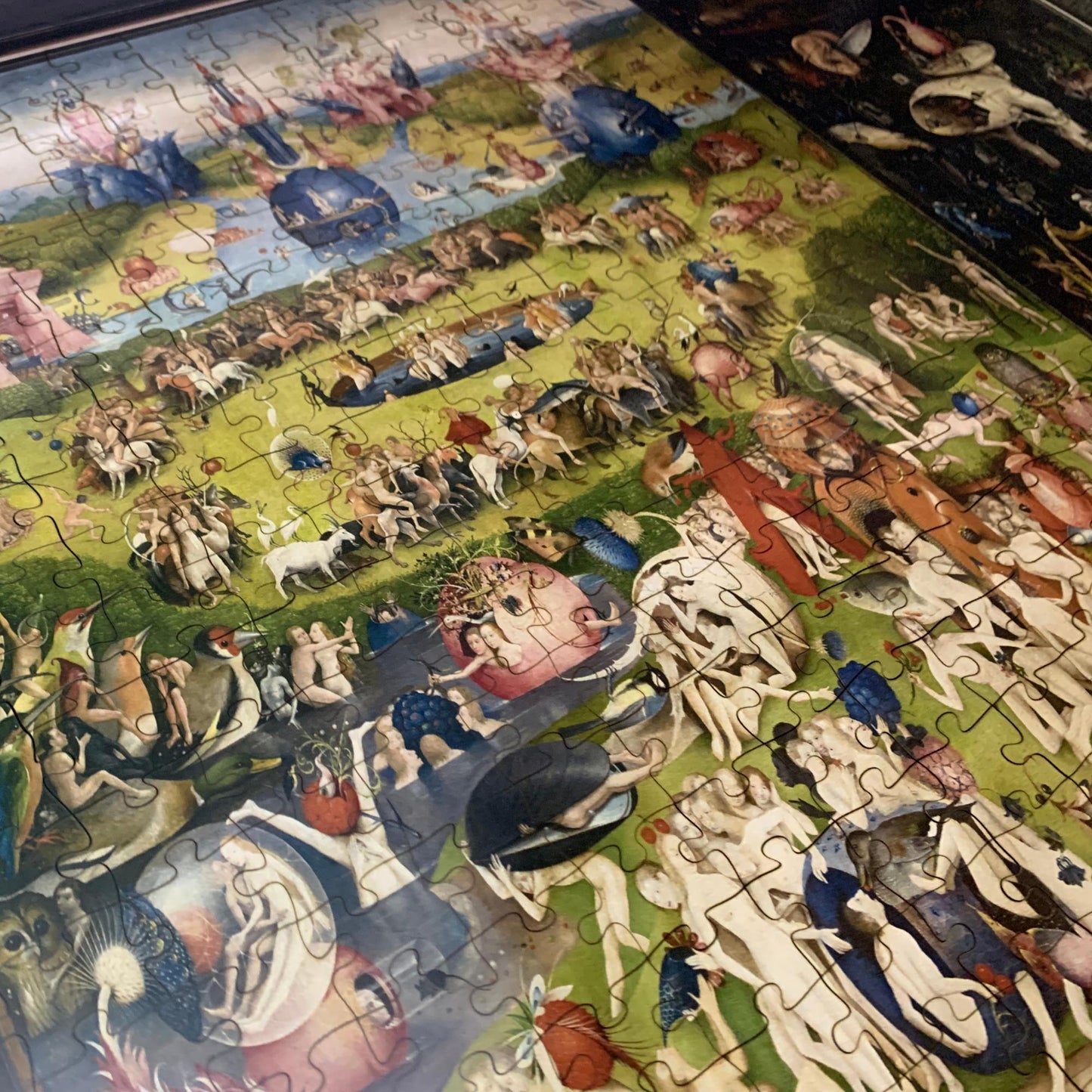
- Vibrant Imagery: High-resolution UV printing directly on the wood—no paper laminate—for stunning detail and vibrant colors.
- Eco-Conscious: Made with environmentally friendly materials.
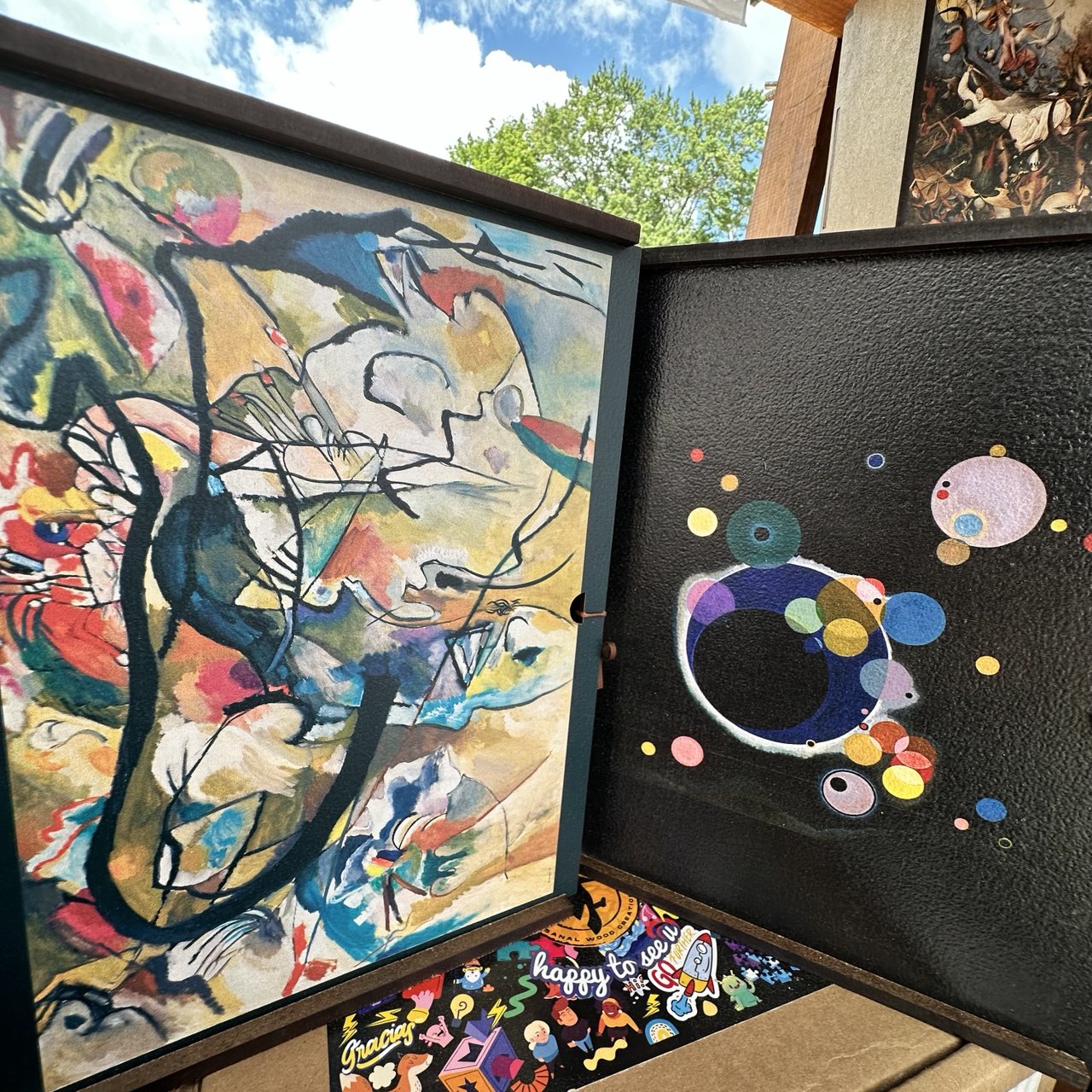
- Heirloom Keepsake: Your puzzle arrives beautifully packaged in a handcrafted wooden box, perfect for gifting or storing your masterpiece.
Craftsmanship and Care:
Craftsmanship and Care:
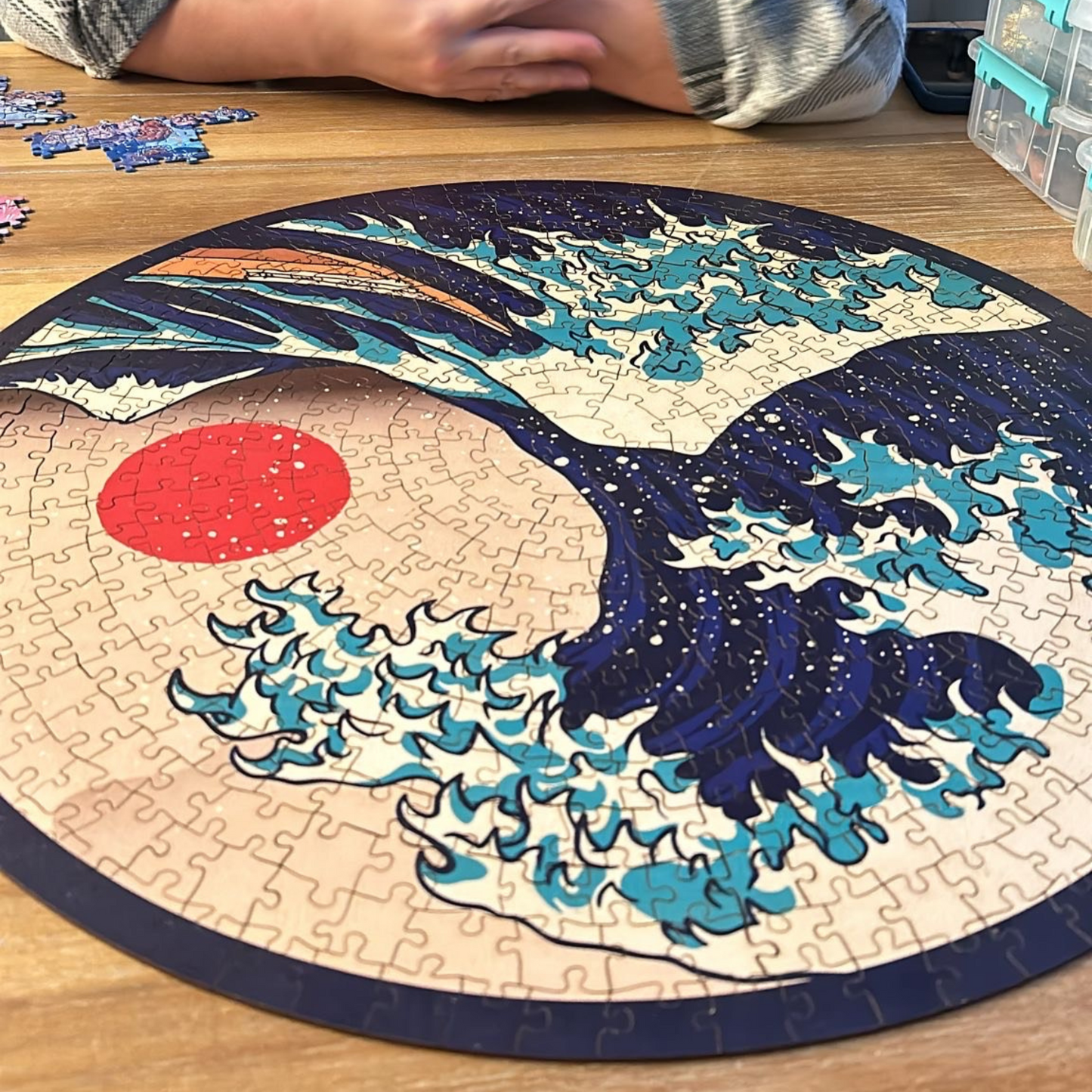
Experience the satisfying click of perfectly interlocking pieces. Our state-of-the-art laser cutting ensures precise fit and a smooth, seamless puzzle-solving experience. The perfect upgrade from cardboard without breaking the bank.
- Natural Laser Residue: A small amount of harmless black residue from the laser cutting process may be present. Simply wipe it away with a damp cloth.
- Hand-Finished Details: Each puzzle board, each wooden box are all carefully hand-stained, painted, and glued.
Satisfaction Guaranteed:
Satisfaction Guaranteed:
We are confident in the quality of our puzzles. If you are not completely satisfied, we offer a full refund or exchange.
PLEASE NOTE:
Each puzzle is crafted to make the most of your chosen size. Artwork may be subtly adjusted to meet our material and production standards while honoring the original work. Planning to frame yours? Email info@whatawoodwork.com for final measurements.
Couldn't load pickup availability
In stock
 PRODUCT DESCRIPTION
In 1929, Potsdamer Platz had the first traffic light in Europe. Not a simple signal — a five-sided tower with a uniformed officer inside, coordinating trams, automobiles, and pedestrians from an octagonal glass booth.
Paul Paeschke drew it in pastel, at night, glowing. The original sold at Villa Grisebach in 2021. Before that, it ran in the Munich art journal Jugend the same year it was made.
📖 The Story Behind This Piece
Potsdamer Platz in 1929 was the busiest intersection in Europe, possibly the world. Paeschke's pastel from that year holds it at night: the Verkehrsturm tower lit from inside, advertising signs bleeding color across wet pavement, pedestrians and automobiles pressed into the same narrow space. The composition doesn't romanticize the chaos. It just holds still long enough for you to see how fast everything is moving. The original appeared in Jugend as a color reproduction — a Weimar-era art journal that treated commercial illustration and fine art as the same problem.
Paeschke spent his career making Berlin's street life the subject of serious painting at a moment when the German art establishment was largely looking elsewhere. He wasn't documenting history. He was making work about the present tense — the electric signs, the crowds, the infrastructure of a city that had decided modernity was something to rush toward. The Verkehrsturm appears in this image not as a curiosity but as the center of gravity everything else orbits.
The pastel medium does something specific to nocturnal urban scenes: colors bloom at their edges rather than holding hard lines, so the glow of the Verkehrsturm bleeds into the surrounding darkness rather than cutting against it. UV printing onto the MDF surface holds that softness without flattening it into the uniform sheen of paper laminate. During assembly, the transition from lit pavement to dark sky is where the image gets genuinely difficult — the pastel gradients that make the original feel alive are exactly what makes the piece counts in that section fight you.
🎁 Who Gets One of These
A short list of people for whom this specific image will mean something before they even open the box.
✔️ The Weimar Republic reader — You've got Isherwood on your shelf and you know what happened to Berlin after this moment. Paeschke painted it three years before the Reichstag fire.
✔️ The urban history collector — Someone who tracks how cities get built, demolished, and rebuilt. Potsdamer Platz was flattened in WWII, bisected by the Wall, and rebuilt again after 1989. The image predates all of it.
✔️ The German Impressionism enthusiast who knows Liebermann but not Paeschke — Same city, same era, different street level. Paeschke is the version that stayed out past dark.
✔️ The architecture and infrastructure obsessive — The Verkehrsturm at the center of this image was so famous it appeared on postcards. It was demolished in 1937. Paeschke caught it while it still existed.
✔️ The puzzle collector who has finished the usual European cityscapes — Paeschke's pastel technique means the nocturnal sections of this image solve differently than any daylight scene you've assembled.
Works well as a birthday gift for someone with a serious interest in 20th-century European history or German art. Also a strong choice for anyone marking a connection to Berlin, whether personal or professional.
🧩 Puzzle Specifications
✔️ Precision laser-cut wooden pieces
✔️ 3mm MDF core — rigid, warp-resistant, built to last
✔️ UV printing directly on wood — no paper laminate, no peeling
✔️ Traditional grid-cut design
✔️ Sizes: 15"x23", 18"x24", 23"x31"
✔️ Piece counts: 300–1000
✔️ Handcrafted wooden keepsake box included
✔️ Made to order — ships in 3–4 weeks
💎 Why This Puzzle Lasts
Most wooden puzzle makers charge $300–$500. The craft justifies it. WAWW gets to the same place differently: direct manufacturing, no wholesale chain, made to order only. Same materials. The price reflects the margin removed, not the quality reduced.
The 3mm MDF core is what keeps pieces clicking cleanly years from now. Cardboard warps under humidity and pressure; MDF doesn't. You'll notice the weight when you pick up a piece — it sits flat on the table rather than curling at the edges. UV printing bonds ink directly to the wood surface, so there's no paper layer to bubble, peel, or yellow. The nocturnal palette in Paeschke's pastel — those soft, bloomed edges around every light source — stays intact rather than washing out under a laminate finish.
The traditional grid cut means pieces connect with a clean, physical click rather than the loose friction-fit common in novelty wooden puzzles. When you pick up a section and carry it, it holds. The keepsake box is solid wood and closes with the kind of weight that makes cardboard packaging feel like what it is. After the puzzle is framed, the box has a second life — on a desk, on a shelf, holding whatever needs holding. Made to order means no warehouse stock, no overproduction. Your puzzle is cut after you place the order.
The 300-piece, 15"x23" starts at $115. The 1000-piece, 23"x31" runs $170.
🖼️ After You Finish It
Most people frame it. The wooden box ends up nearby — on a shelf, on a desk, doing something else. Visitors notice the image first: a city at night, a glowing tower, the press of crowds in 1929. Then they ask where it's from. Paeschke's name is not one most people know, which is half the reason the conversation goes somewhere worth having. The Potsdamer Platz he drew no longer exists in any form he would recognize.
⚠️ Important Notes
Puzzles may have light laser residue on the surface — a damp cloth handles it. There's a natural wood scent when the box first opens; it fades within a few days. Made-to-order production means your puzzle ships in 3–4 weeks. If anything arrives damaged, we replace or refund. No questions.