


The Basket of Apples by Cézanne - Premium Wooden Jigsaw
The Basket of Apples by Cézanne - Premium Wooden Jigsaw
- Regular price
- Price: $115.00
- Regular price
- List Price: $0.00
- Sale price
- Price: $115.00
- Unit price
- per
Key Features:
Key Features:
- Premium Quality: Crafted from durable 3mm (.14in) composite wood board for lasting enjoyment.
- Vibrant Imagery: High-resolution UV printing directly on the wood—no paper laminate—for stunning detail and vibrant colors.
- Eco-Conscious: Made with environmentally friendly materials.
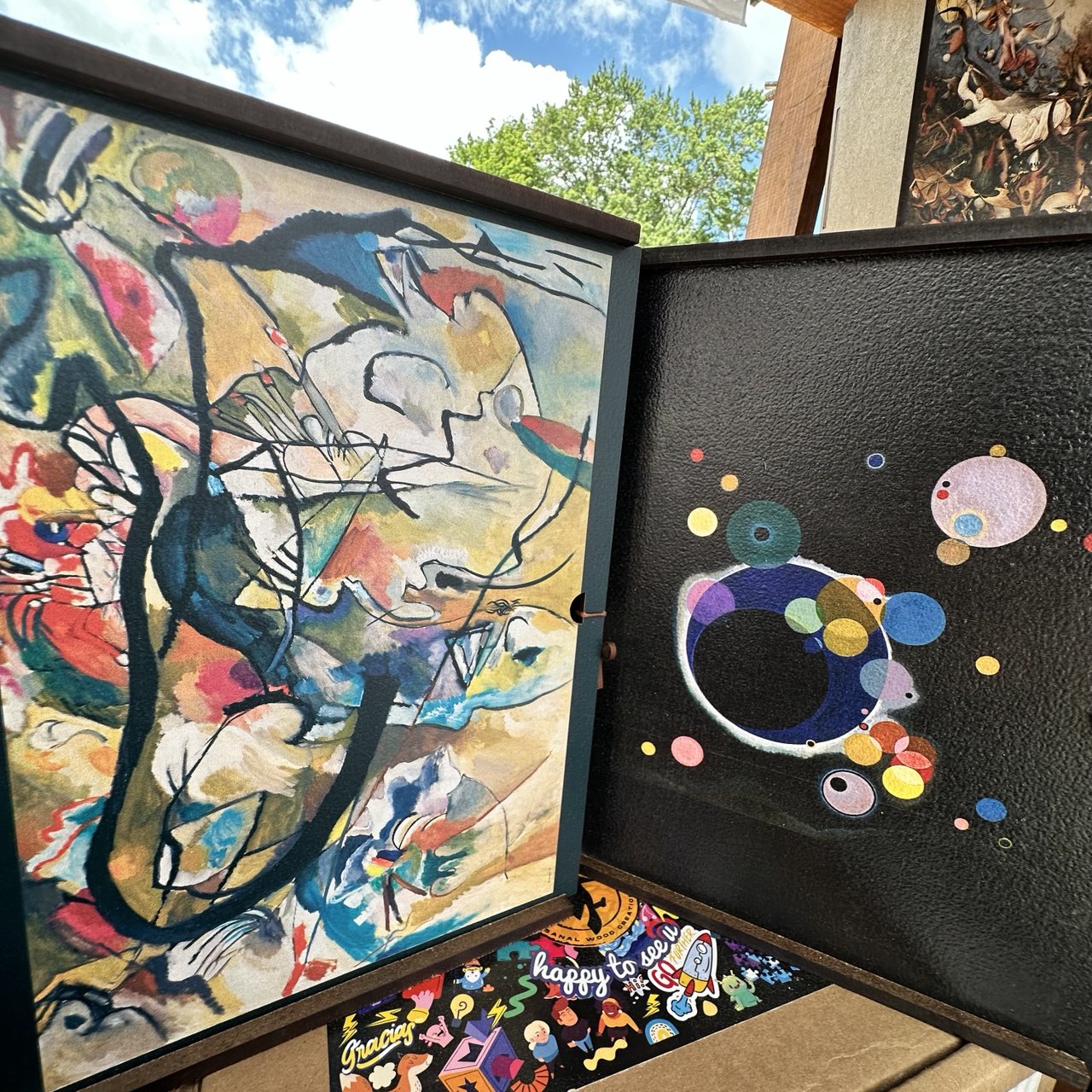
- Heirloom Keepsake: Your puzzle arrives beautifully packaged in a handcrafted wooden box, perfect for gifting or storing your masterpiece.
Craftsmanship and Care:
Craftsmanship and Care:
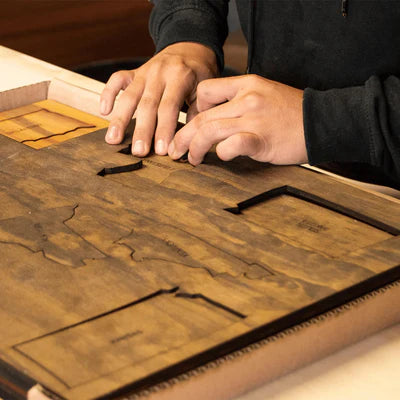
Experience the satisfying click of perfectly interlocking pieces. Our state-of-the-art laser cutting ensures precise fit and a smooth, seamless puzzle-solving experience. The perfect upgrade from cardboard without breaking the bank.
- Natural Laser Residue: A small amount of harmless black residue from the laser cutting process may be present. Simply wipe it away with a damp cloth.
- Hand-Finished Details: Each puzzle board, each wooden box are all carefully hand-stained, painted, and glued.
Satisfaction Guaranteed:
Satisfaction Guaranteed:
We are confident in the quality of our puzzles. If you are not completely satisfied, we offer a full refund or exchange.
PLEASE NOTE:
Each puzzle is crafted to make the most of your chosen size. Artwork may be subtly adjusted to meet our material and production standards while honoring the original work. Planning to frame yours? Email info@whatawoodwork.com for final measurements.
Couldn't load pickup availability
In stock
 PRODUCT DESCRIPTION
The Basket of Apples — Wooden Jigsaw Puzzle
The table in this painting is wrong. Both edges visible behind the tablecloth don't line up — they sit at different heights, as if Cézanne painted two separate views and stitched them together. He did. Around 1893, he was working out something that Picasso would later name: that a single fixed viewpoint is a fiction. The apples, the bottle, the tilting basket — none of it is trying to fool you into believing it's real.
📖 The Story Behind This Piece
Painted around 1893 and now held at the Art Institute of Chicago, The Basket of Apples is one of the few works Cézanne signed. The table's edges visibly misalign behind the draped cloth — not a mistake, but a decision. Cézanne was working from multiple viewpoints simultaneously, collapsing them into a single canvas. A wine bottle, a precariously forward-leaning basket, a plate of biscuits: ordinary objects arranged to make ordinary seeing feel unstable.
Cézanne spent years in Provence convinced that Impressionism wasn't going far enough. Where his contemporaries dissolved form into light, he was trying to rebuild it from the inside out — to show what a solid thing actually felt like, not just how it looked in a particular afternoon. That tension between surface and structure is what made Picasso call him "the father of us all."
During assembly, the tablecloth is where the painting keeps its secret. In reproduction, the white linen reads as a neutral field separating objects. Piece by piece on wood, the brushwork within it becomes its own event — warm ochres, cool grays, the same palette Cézanne used for the apples themselves. UV printing on wood pulls the texture of those strokes forward rather than flattening them under laminate, and you start to see what he meant about structure before you can fully articulate it.
🎁 Who Gets One of These
A few specific people come to mind immediately.
✔️ The art historian who teaches modernism — You've explained the perspectival break in this painting to students for years. Working through it physically, section by section, is a different argument entirely.
✔️ The collector with Post-Impressionist prints on their walls — You already own Cézanne in reproduction. A wooden puzzle built from the actual Art Institute canvas sits in the same conversation, at a fraction of the framing cost.
✔️ The person who visited the Art Institute and stopped in front of this one — You know exactly why you stopped. The puzzle is the thing you didn't buy in the gift shop because nothing there felt worth owning.
✔️ The gift-giver who's tired of giving things that disappear — Cézanne is not a safe, forgettable choice. Neither is a handcrafted wooden box that stays on the shelf after the puzzle is done.
✔️ The puzzler who graduated from cardboard years ago — You want pieces that click clean and stay clicked. You want the image to hold up at arm's length and at close range. Wood does what paper can't.
🧩 Puzzle Specifications
✔️ Precision laser-cut wooden pieces
✔️ 3mm MDF core — rigid, warp-resistant, built to last
✔️ UV printing directly on wood — no paper laminate, no peeling
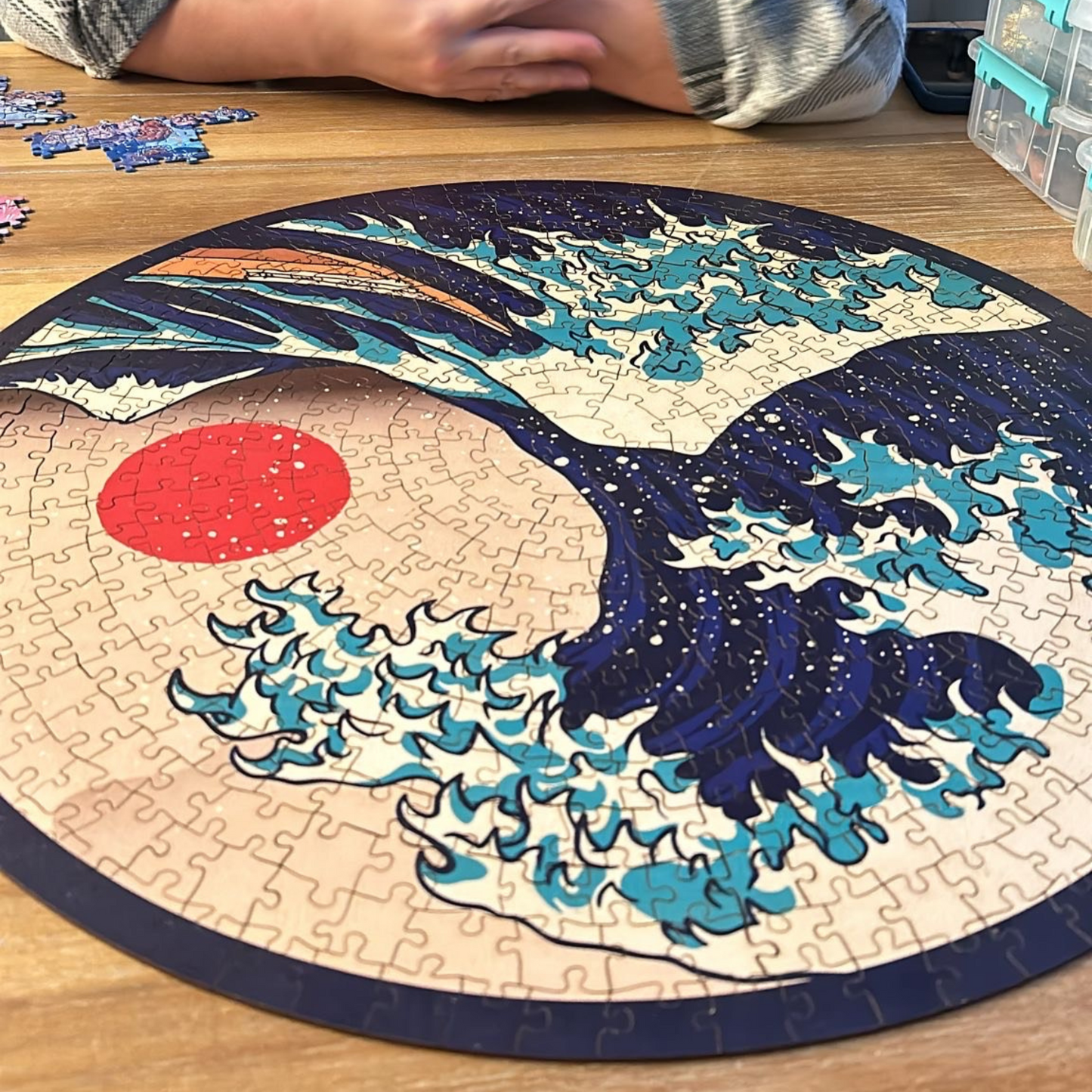
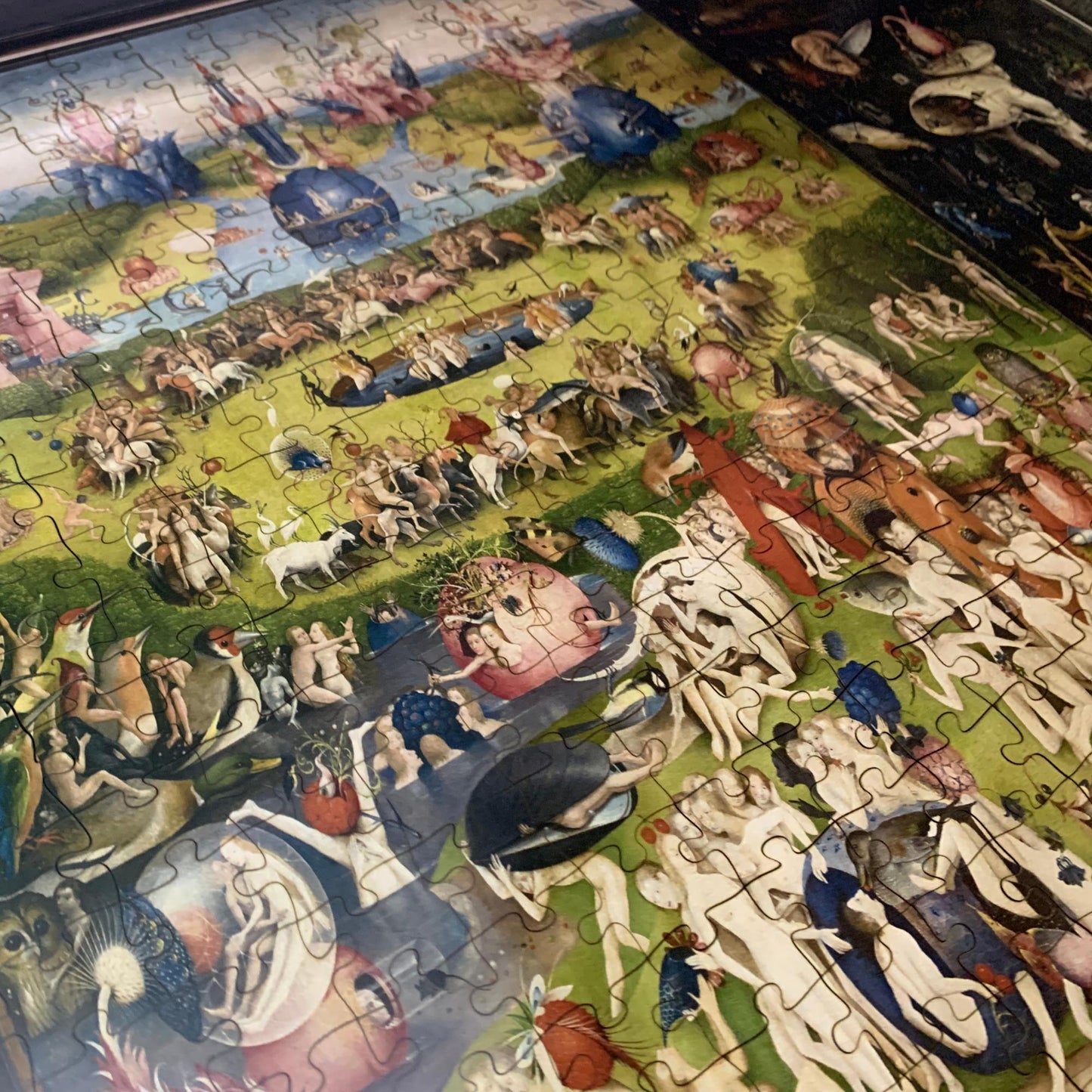
✔️ Traditional grid-cut design
✔️ Sizes: 15"x23", 18"x24", 23"x31"
✔️ Piece counts: 300–1000
✔️ Handcrafted wooden keepsake box included
✔️ Made to order — ships in 3–4 weeks
💎 Why This Puzzle Lasts
Most wooden puzzle makers charge $300–$500. The craft justifies it. We get there differently: direct manufacturing, no wholesale chain, made to order. Same materials, no markup. The price reflects the actual cost of making the thing, not the cost of the brand sitting between us.
The 3mm MDF core is what separates this from cardboard puzzles permanently. It doesn't flex under humidity, doesn't warp over years of storage, and pieces snap together with a solidity that cardboard fakes badly. A puzzle you finish in 2024 fits the same way if you pull it out in 2044. UV printing goes directly onto the wood surface, so there's no paper laminate to bubble, crack, or peel at the edges. Cézanne's color relationships are what make this painting matter — the muted cloth against the vivid apples — and UV printing on wood preserves those relationships without the yellow drift that paper develops over time.
The grid cut is traditional, which means solving feels like solving. No novelty shapes forcing arbitrary decisions. The fit between pieces is clean and consistent, and the click when a section locks together is the real thing. The wooden keepsake box arrives as part of the object, not as packaging to throw away — it's built to the same standard as the puzzle, and it's where the puzzle lives between sessions and after. Every puzzle is made to order, which means no warehouse inventory, no sitting on a shelf for months before it reaches you. The three-to-four week production window is the time it takes to make yours specifically.