


The Gleaners by Millet - Premium Wooden Jigsaw Puzzle
The Gleaners by Millet - Premium Wooden Jigsaw Puzzle
- Regular price
- Price: $115.00
- Regular price
- List Price: $0.00
- Sale price
- Price: $115.00
- Unit price
- per
Key Features:
Key Features:
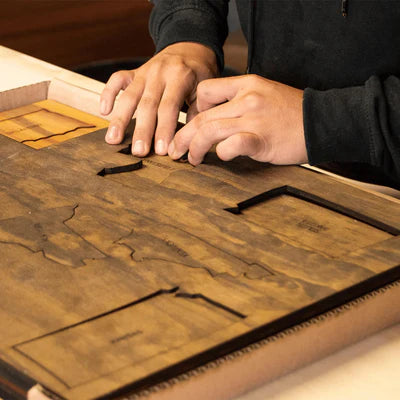
- Premium Quality: Crafted from durable 3mm (.14in) composite wood board for lasting enjoyment.
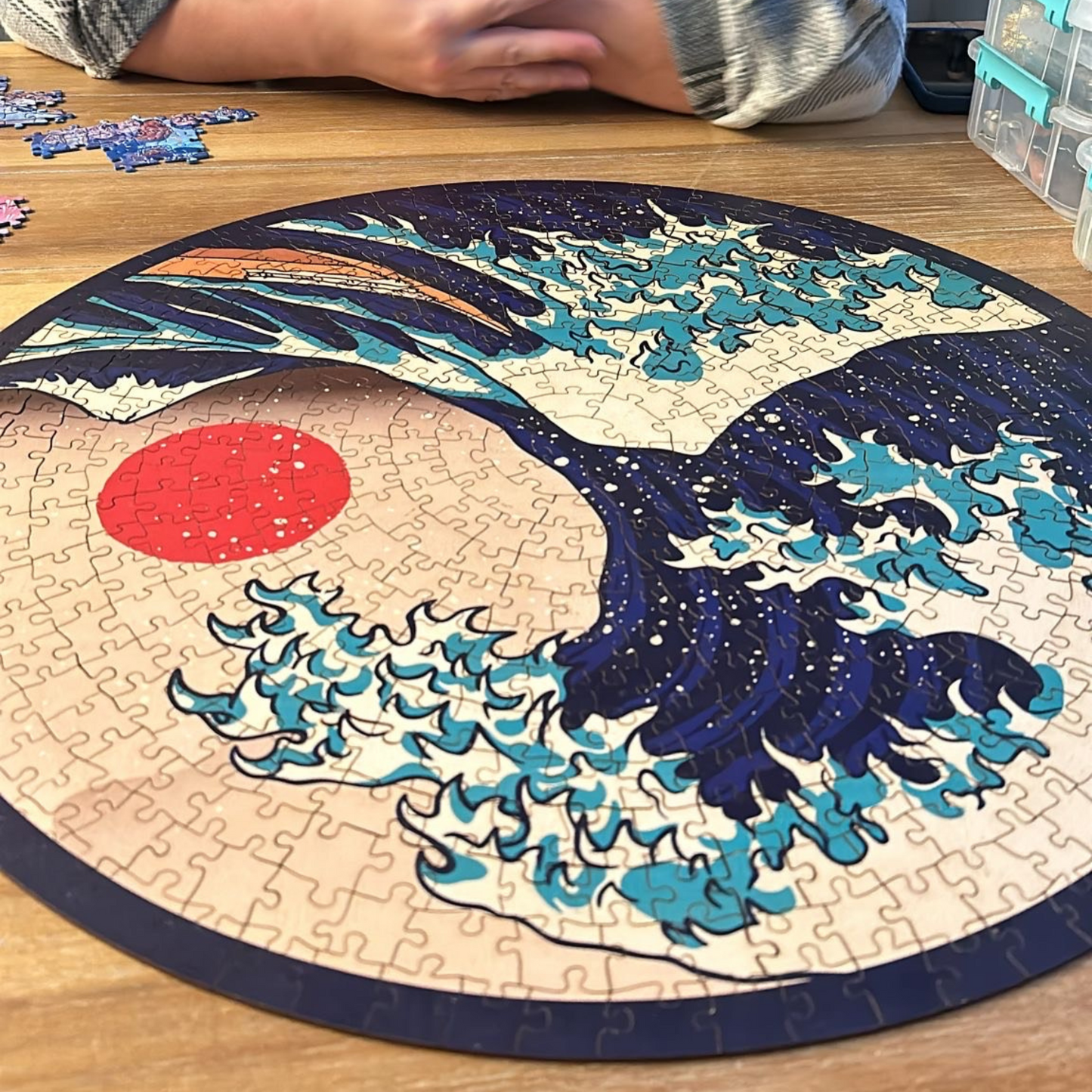
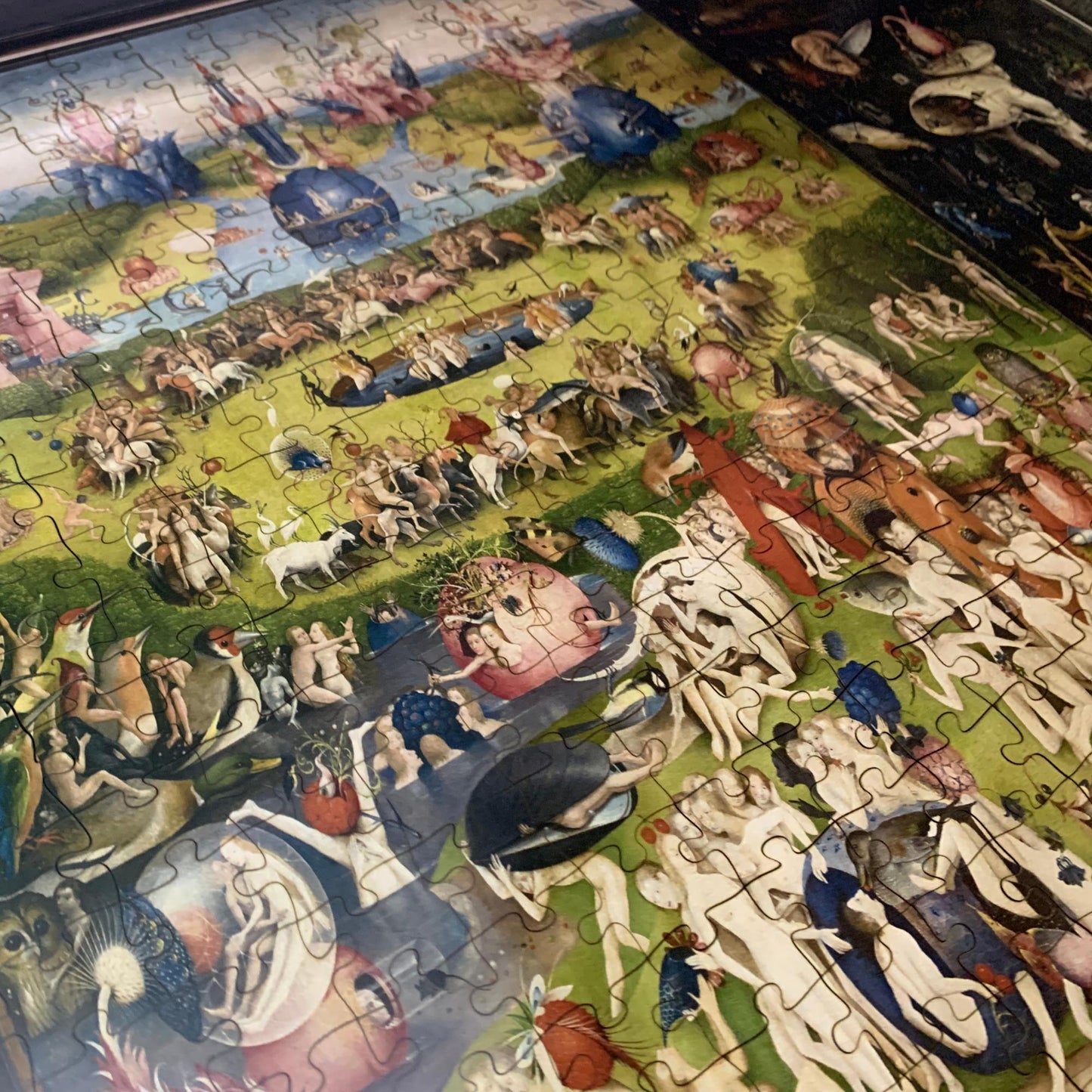
- Vibrant Imagery: High-resolution UV printing directly on the wood—no paper laminate—for stunning detail and vibrant colors.
- Eco-Conscious: Made with environmentally friendly materials.
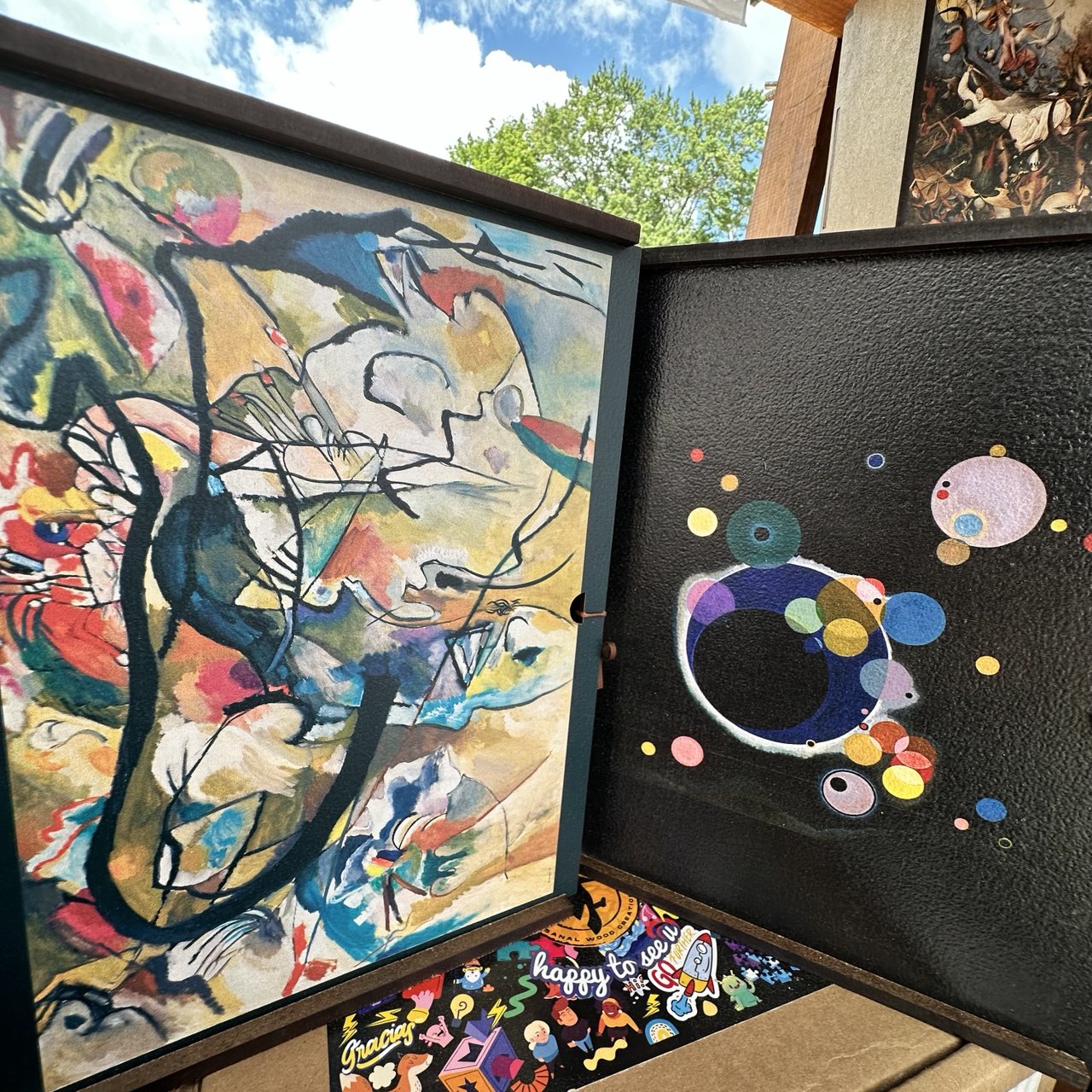
- Heirloom Keepsake: Your puzzle arrives beautifully packaged in a handcrafted wooden box, perfect for gifting or storing your masterpiece.
Craftsmanship and Care:
Craftsmanship and Care:
Experience the satisfying click of perfectly interlocking pieces. Our state-of-the-art laser cutting ensures precise fit and a smooth, seamless puzzle-solving experience. The perfect upgrade from cardboard without breaking the bank.
- Natural Laser Residue: A small amount of harmless black residue from the laser cutting process may be present. Simply wipe it away with a damp cloth.
- Hand-Finished Details: Each puzzle board, each wooden box are all carefully hand-stained, painted, and glued.
Satisfaction Guaranteed:
Satisfaction Guaranteed:
We are confident in the quality of our puzzles. If you are not completely satisfied, we offer a full refund or exchange.
PLEASE NOTE:
Each puzzle is crafted to make the most of your chosen size. Artwork may be subtly adjusted to meet our material and production standards while honoring the original work. Planning to frame yours? Email info@whatawoodwork.com for final measurements.
Couldn't load pickup availability
In stock
 PRODUCT DESCRIPTION
The Gleaners — The argument Millet started with his painting has never really ended.
When The Gleaners debuted at the Paris Salon of 1857, French critics called it a threat. Not to aesthetics — to order. Three peasant women bent over a harvested field was enough to unsettle an entire class of people who understood exactly what Millet was saying. The painting has been at the Musée d'Orsay ever since.
📖 The Story Behind This Piece
Millet finished this painting in 1857, at a moment when France was industrializing fast and the rural poor were becoming invisible to the people who profited from their labor. The composition is deliberate: three women bend low over nearly bare ground in the foreground, while a mountain of harvested wheat and an overseer on horseback sit in the distance behind them. The gap between those two halves of the frame is the entire point. Gleaning — gathering leftover stalks after a harvest — was legal, but barely. It was what you did when you had nothing else.
Millet grew up on a farm in Normandy. He knew what this work felt like in the body, and he refused to soften it. When his peers were painting mythology and nobility, he kept returning to bent backs and dirt. Not as a political statement, exactly — more as a refusal to look away from what he'd seen his whole life. That refusal is what made the bourgeois critics nervous. They recognized it as an accusation.
The earthy ochres and warm browns of this painting do something specific when printed directly onto wood. The golden field behind the gleaners and the shadowed foreground earth read as two completely different textures — not just colors. As you work through the mid-ground, where those tones blend across dozens of nearly identical pieces, you start to see gradations invisible on a screen. The women's clothing holds detail in the folds that only becomes clear when you're holding a single piece up to find its neighbor.
🎁 Who Gets One of These
A few specific people reliably love this one.
✔️ The art history professor or serious autodidact — You've taught or studied the Realist movement and know exactly why this painting scandalized the 1857 Salon jury. Rebuilding it piece by piece is a different kind of close reading.
✔️ The Musée d'Orsay visitor who stopped in front of this — You spent longer here than you planned. The actual painting is 33 inches tall. Now you can work through every square inch of it at your own pace.
✔️ The person who gives books about social history as gifts — You understand that a painting made in 1857 about labor and inequality still has things to say. So does the person you're buying for.
✔️ The parent or grandparent who wants something worth keeping — Not a toy, not a novelty. Something that goes on a shelf or gets framed after, with a box that stays out because it looks like it belongs.
✔️ The retiree who spent a career in agriculture, social work, or labor — Millet painted dignity into work that his era preferred not to see. Some people recognize that immediately.
Works well as a retirement gift, especially for educators or anyone who spent a career in service or advocacy. Strong for milestone birthdays where the person has outgrown anything that doesn't last.
🧩 Puzzle Specifications
✔️ Precision laser-cut wooden pieces
✔️ 3mm MDF core — rigid, warp-resistant, built to last
✔️ UV printing directly on wood — no paper laminate, no peeling
✔️ Traditional grid-cut design
✔️ Handcrafted wooden keepsake box included
✔️ Made to order — ships in 3–4 weeks
💎 Why This Puzzle Lasts
Most wooden puzzle makers charge $300–$500. The craft justifies it. We get there differently: direct manufacturing, no wholesale chain, made to order only. Same materials, same precision cut, no markup for a middleman who never touched the product.
The 3mm MDF core is what makes a piece click into place and stay there. Cardboard compresses over time — edges soften, pieces loosen, the whole thing gets uncertain. MDF doesn't. A puzzle built on it fits the same way on the last piece as it did on the first, and twenty years from now the fit will be identical. UV printing bonds color directly into the wood surface rather than sitting on top of it under a paper layer. No laminate means no peeling at the corners, no fading from light exposure, no bubbling if humidity shifts.
The traditional grid cut produces clean, satisfying connections — no whimsical shapes engineered to trick you, just precise interlocking pieces that fit one way and one way only. When you're done, the wooden keepsake box it came in doesn't go in recycling. It's substantial enough to hold the disassembled puzzle indefinitely, or stay on a shelf as an object on its own. Every puzzle is made to order, which means nothing sits in a warehouse and nothing ships until it's built for you specifically. The three-to-four week lead time is a function of that.