


The Nightmare by Fuseli - Premium Wooden Jigsaw Puzzle
The Nightmare by Fuseli - Premium Wooden Jigsaw Puzzle
- Regular price
- Price: $130.00
- Regular price
- List Price: $0.00
- Sale price
- Price: $130.00
- Unit price
- per
Key Features:
Key Features:
- Premium Quality: Crafted from durable 3mm (.14in) composite wood board for lasting enjoyment.
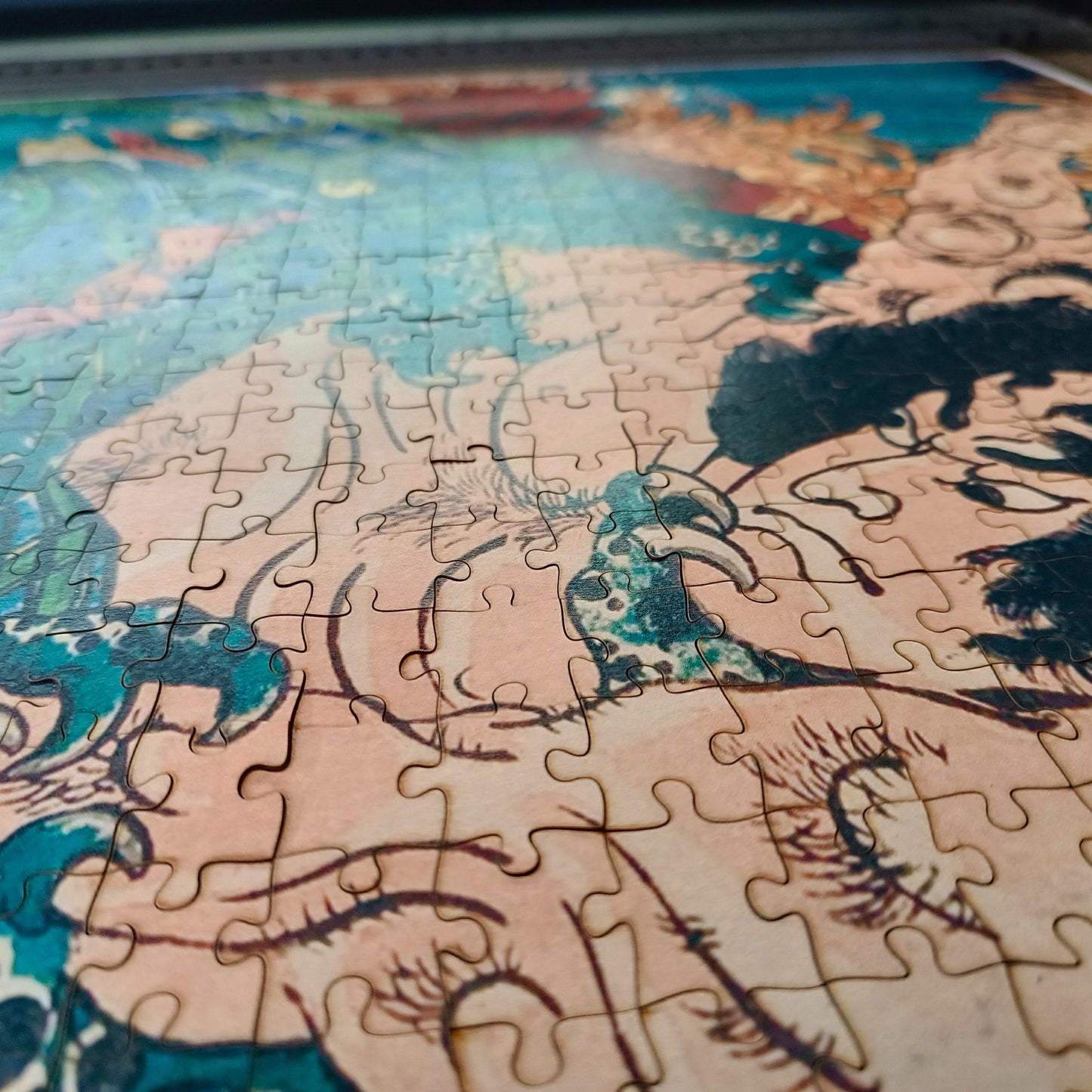
- Vibrant Imagery: High-resolution UV printing directly on the wood—no paper laminate—for stunning detail and vibrant colors.
- Eco-Conscious: Made with environmentally friendly materials.
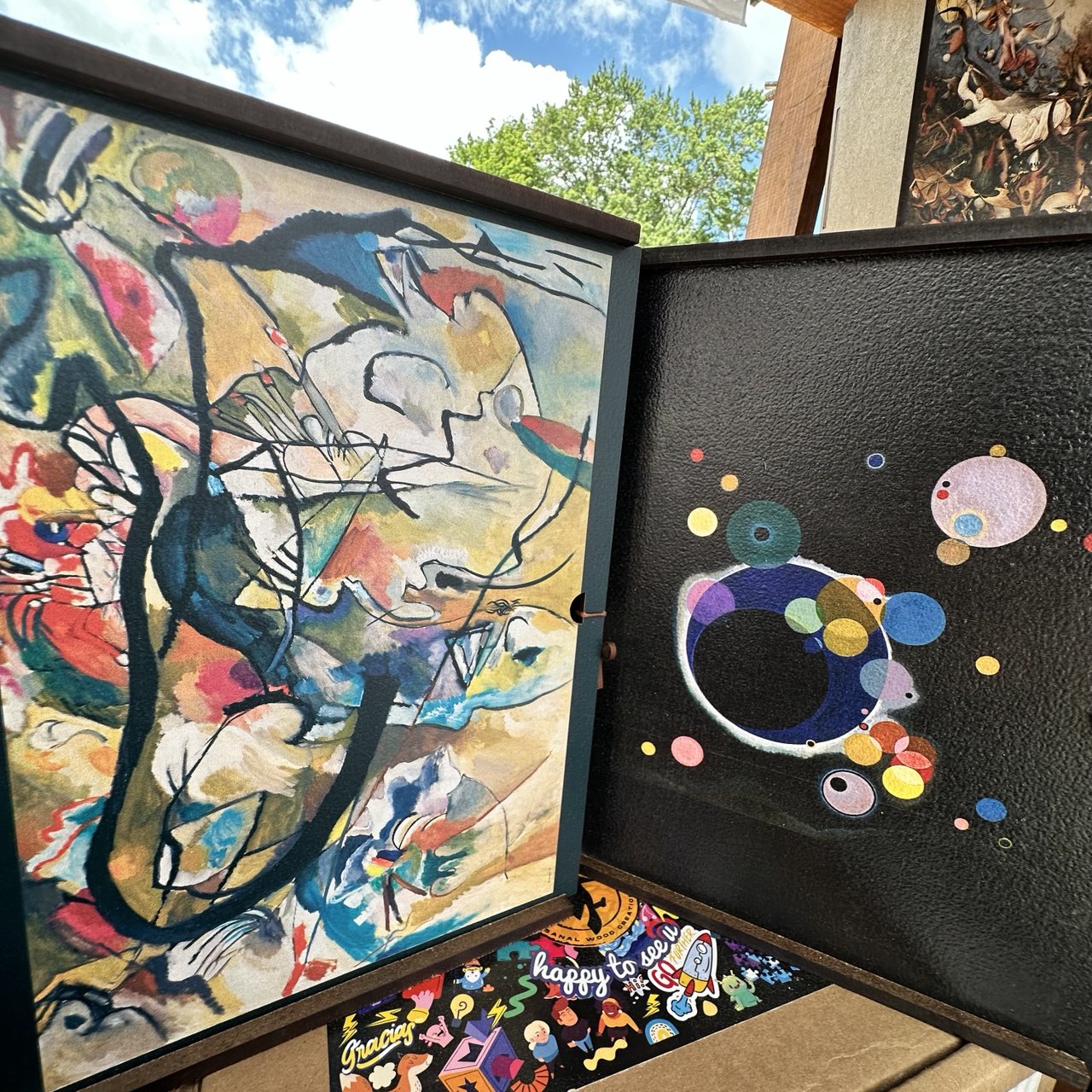
- Heirloom Keepsake: Your puzzle arrives beautifully packaged in a handcrafted wooden box, perfect for gifting or storing your masterpiece.
Craftsmanship and Care:
Craftsmanship and Care:
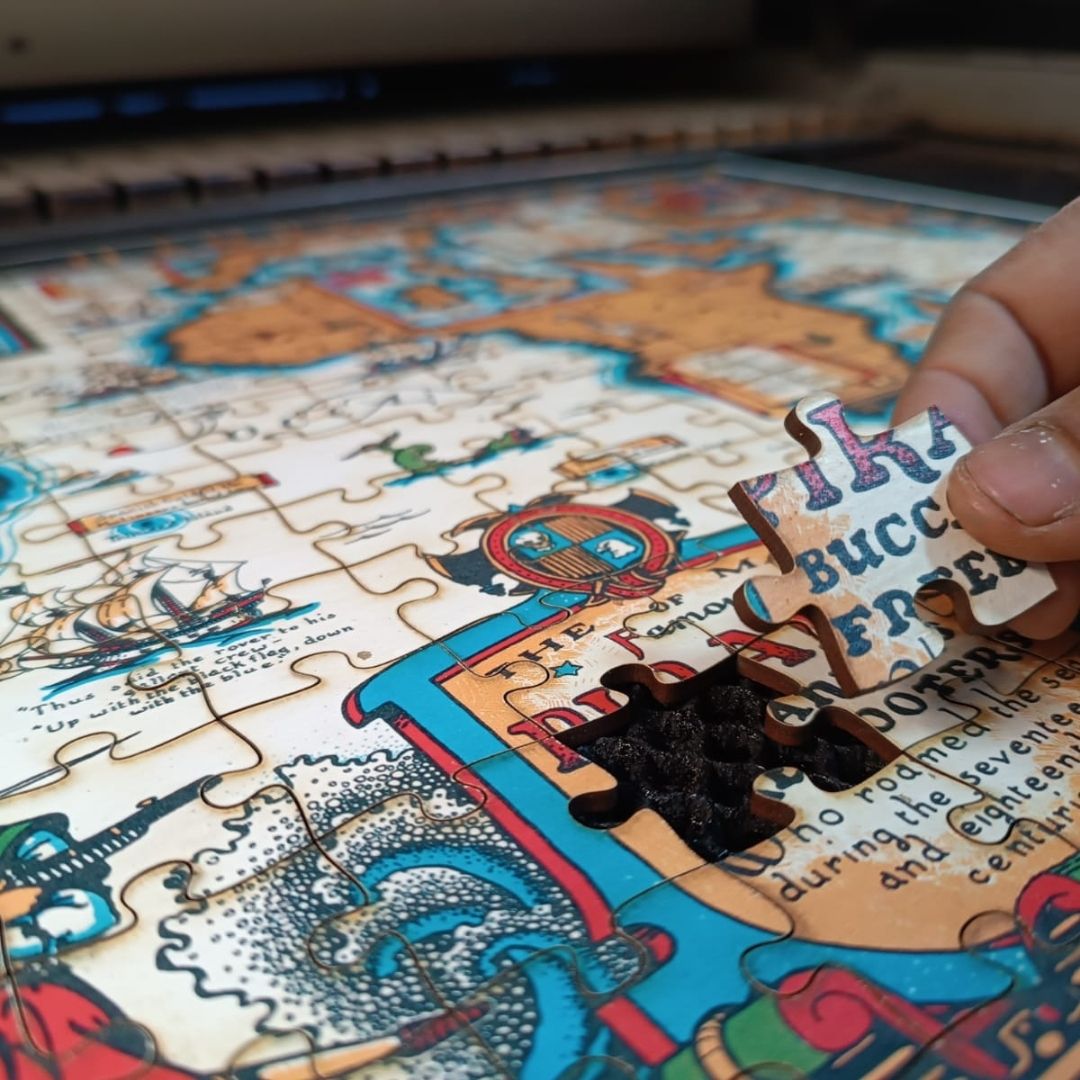
Experience the satisfying click of perfectly interlocking pieces. Our state-of-the-art laser cutting ensures precise fit and a smooth, seamless puzzle-solving experience. The perfect upgrade from cardboard without breaking the bank.
- Natural Laser Residue: A small amount of harmless black residue from the laser cutting process may be present. Simply wipe it away with a damp cloth.
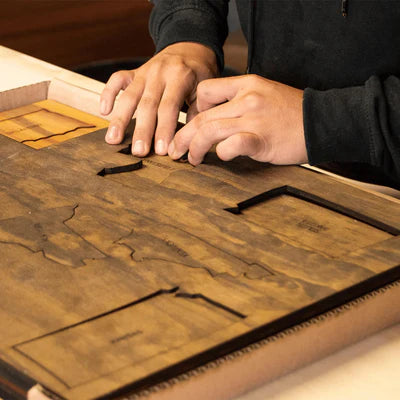
- Hand-Finished Details: Each puzzle board, each wooden box are all carefully hand-stained, painted, and glued.
Satisfaction Guaranteed:
Satisfaction Guaranteed:
We are confident in the quality of our puzzles. If you are not completely satisfied, we offer a full refund or exchange.
PLEASE NOTE:
Each puzzle is crafted to make the most of your chosen size. Artwork may be subtly adjusted to meet our material and production standards while honoring the original work. Planning to frame yours? Email info@whatawoodwork.com for final measurements.
Couldn't load pickup availability
In stock
 PRODUCT DESCRIPTION
The Nightmare — Wooden Jigsaw Puzzle
Freud kept a reproduction of this painting in his apartment. Not a print of the Sistine Chapel, not a Rembrandt — this one. Painted in 1781 by Henry Fuseli, it hung on the wall where Freud received patients and thought about dreams. On the back of the original canvas, there's a portrait of Anna Landolt, the woman Fuseli loved and couldn't have. He never said the two were connected.
📖 The Story Behind This Piece
Fuseli finished the painting in 1781 and sent it to the Royal Academy exhibition the following year. Visitors were shocked enough that it became the talk of London. The scene is specific: a woman in white linen lies draped backward across a bed, her neck and arms slack. An incubus — squat, leathery, almost smug — sits on her chest. Behind dark curtains, a horse's head pushes through, glassy-eyed and pale. The horse is the pun. In 18th-century English, "mare" meant a spirit that suffocated sleepers. Fuseli painted what people already feared and gave it a face.
Fuseli trained as a clergyman in Zurich before he ever touched a canvas seriously. He abandoned ordination, moved to London, and spent years studying Michelangelo's figures — the torqued bodies, the theatrical scale. That anatomical vocabulary is what makes the incubus so unsettling. It has weight. When Fuseli painted the woman's limp arms, he knew exactly how a body looks when the muscles stop working. He'd looked hard enough at enough bodies to know what unconscious felt like in paint.
The darkest sections of the composition — the black curtains parting around the horse, the shadow pooling under the incubus — are where UV printing on wood earns its keep. Paper laminate absorbs dark tones into flatness. Here, the ink sits on the wood grain and the grain becomes texture: the curtains look heavy, the shadows have depth that a screen can't reproduce. During assembly, the incubus pieces are almost entirely one dark tone, with one small rim of sickly greenish light along its shoulder. Finding that edge is the moment the figure comes forward from the black behind it.
🎁 Who Gets One of These
A few specific kinds of people tend to end up with this one.
✔️ The psychology or psychiatry professional with art on the office wall — Freud's copy is well-documented. A wooden puzzle version framed above a bookshelf reads differently than a poster, and the conversation it starts is rarely shallow.
✔️ The Romanticism reader who owns a shelf of Blake and Shelley — Fuseli was part of that circle. He knew Blake personally. The painting sits in the same imaginative world as the poems, and assembling it is a long time to spend inside that world.
✔️ The person who studies sleep, dreams, or the history of medicine — Sleep paralysis folklore runs from ancient Mesopotamia through 18th-century England to current clinical research. The painting sits at the center of all of it.
✔️ The gothic aesthetics collector who already owns things in dark frames — The color palette is almost entirely ivory, red, and black. It holds a wall the way few images do.
✔️ The gift-giver who wants something a Detroit Institute of Arts member hasn't already bought for themselves — The original is in the DIA's collection. A wooden puzzle version of a work you've seen in person is a different object entirely.
Halloween is the obvious occasion, and it's a real one — the imagery is precise enough to feel considered rather than seasonal. Strong birthday gift for anyone in art history, psychology, or folklore. Pairs well with a museum membership renewal.
🧩 Puzzle Specifications
✔️ Precision laser-cut wooden pieces
✔️ 3mm MDF core — rigid, warp-resistant, built to last
✔️ UV printing directly on wood — no paper laminate, no peeling
✔️ Traditional grid-cut design
✔️ Handcrafted wooden keepsake box included
✔️ Made to order — ships in 3–4 weeks
💎 Why This Puzzle Lasts
Most wooden puzzle makers charge $300 to $500. The craft justifies it. We arrive at the same quality differently: direct manufacturing, no wholesale chain, made to order only. No warehouse. No markup built in for a retailer who never touches the product.
The core is 3mm MDF — the same density throughout, so pieces don't flex when you pick them up and don't warp over years of storage. Cardboard puzzles soften at the joints after a few assemblies. MDF doesn't. The pieces fit the same way on the twentieth solve as on the first. UV printing goes directly onto the wood surface, no paper layer between the image and the substrate. Paper laminates yellow, bubble at the edges in humidity, and peel at the corners over time. The ink here is in the surface.
The grid cut is traditional — no trick shapes, no gimmick pieces. Solving feels like solving. The fit is clean and audible. Each piece clicks into place with a solidity that cardboard can't produce. When the puzzle is finished and disassembled, it goes back into the wooden keepsake box it arrived in. The box is latched and stackable. People keep them on shelves; they're built well enough that they belong there. Made to order means your puzzle doesn't exist until you buy it. Production takes three to four weeks. That's not a delay — that's the reason we are not charging you extra for stock we hope sells later.
🖼️ After You Finish It
Most people frame it. The wooden box ends up nearby — on a shelf, usually, because it's too well-made to throw out. Visitors notice the image first, then ask about the box, then ask where it came from. The Nightmare has generated that conversation for 240 years. Fuseli painted it to disturb people, and it still does. Rebuilding it piece by piece, in the dark section around the curtains and the pale slack arm of the woman, is a slower kind of looking than a museum wall allows.