


The White Owl by Webbe - Premium Wooden Puzzle
The White Owl by Webbe - Premium Wooden Puzzle
- Regular price
- Price: $115.00
- Regular price
- List Price: $0.00
- Sale price
- Price: $115.00
- Unit price
- per
Key Features:
Key Features:
- Premium Quality: Crafted from durable 3mm (.14in) composite wood board for lasting enjoyment.
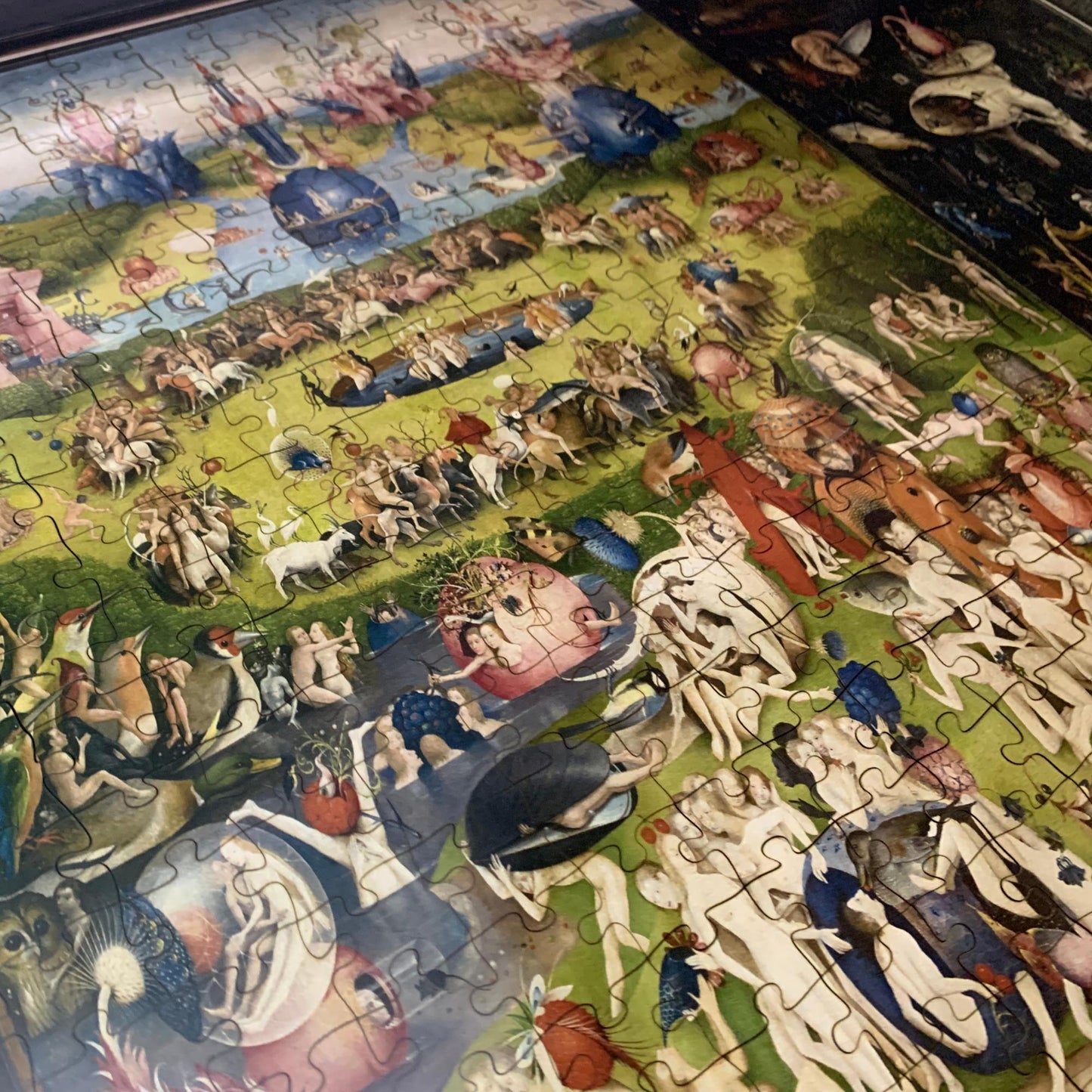
- Vibrant Imagery: High-resolution UV printing directly on the wood—no paper laminate—for stunning detail and vibrant colors.
- Eco-Conscious: Made with environmentally friendly materials.
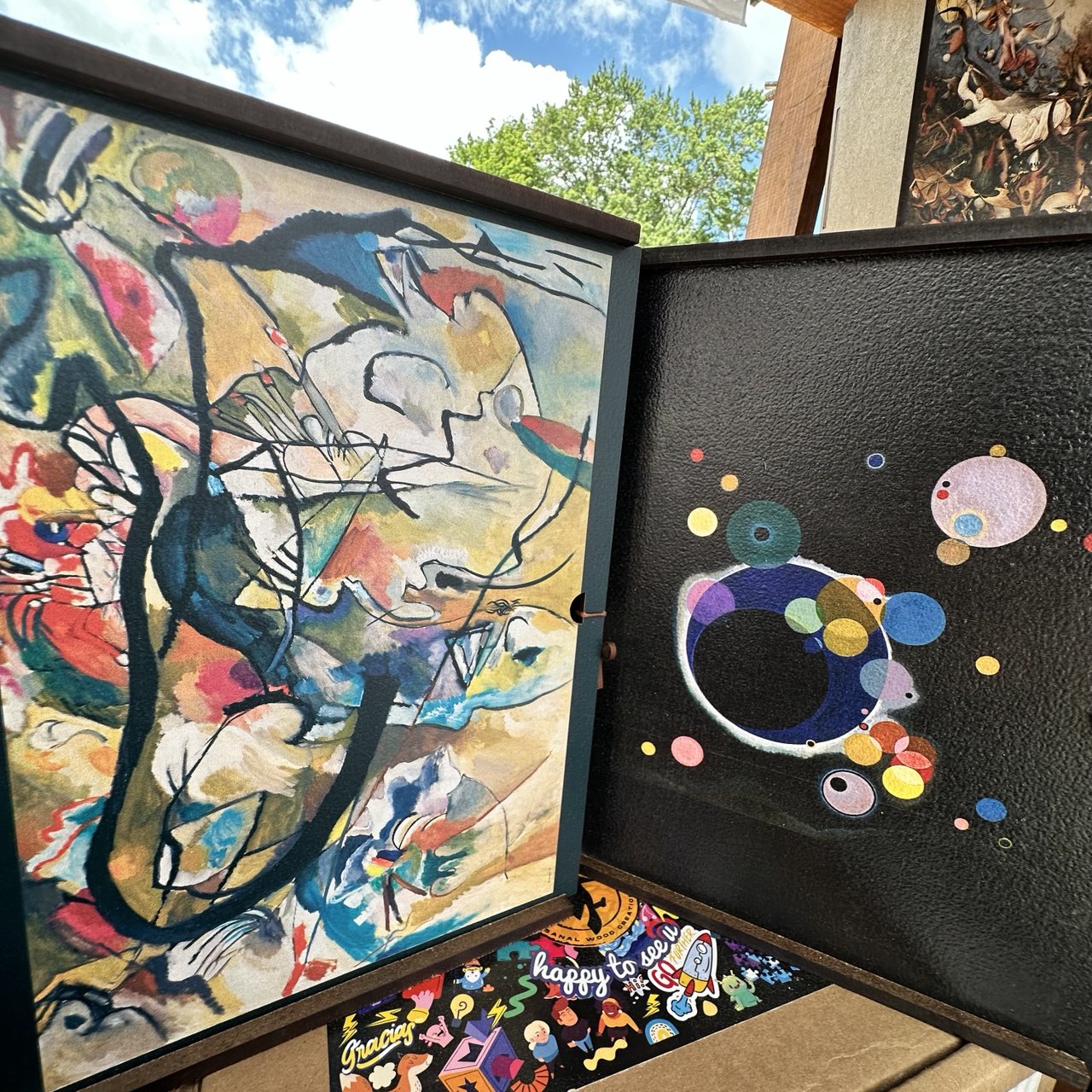
- Heirloom Keepsake: Your puzzle arrives beautifully packaged in a handcrafted wooden box, perfect for gifting or storing your masterpiece.
Craftsmanship and Care:
Craftsmanship and Care:
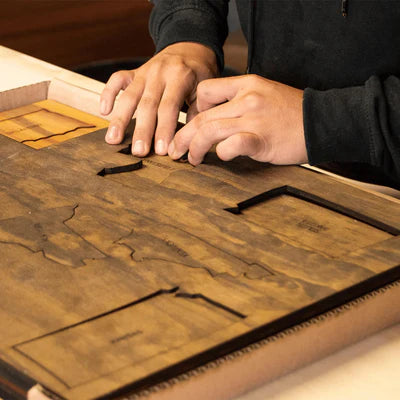
Experience the satisfying click of perfectly interlocking pieces. Our state-of-the-art laser cutting ensures precise fit and a smooth, seamless puzzle-solving experience. The perfect upgrade from cardboard without breaking the bank.
- Natural Laser Residue: A small amount of harmless black residue from the laser cutting process may be present. Simply wipe it away with a damp cloth.
- Hand-Finished Details: Each puzzle board, each wooden box are all carefully hand-stained, painted, and glued.
Satisfaction Guaranteed:
Satisfaction Guaranteed:
We are confident in the quality of our puzzles. If you are not completely satisfied, we offer a full refund or exchange.
PLEASE NOTE:
Each puzzle is crafted to make the most of your chosen size. Artwork may be subtly adjusted to meet our material and production standards while honoring the original work. Planning to frame yours? Email info@whatawoodwork.com for final measurements.
Couldn't load pickup availability
In stock
 PRODUCT DESCRIPTION
The White Owl — Wooden Jigsaw Puzzle
John Ruskin saw this painting at the Royal Academy in 1856 and called it "a careful study." Not a compliment he gave freely. The owl perches in a belfry, feathers rendered so precisely that the biological accuracy of each quill was what caught his eye, not the composition or the mood. The painting passed from a Victorian naturalist to the biologist Richard Owen, then disappeared into a private collection for over 150 years before Christie's found it in 2012.
📖 The Story Behind This Piece
William James Webbe painted The White Owl in 1856, the same year he exhibited it at the Royal Academy in London. The setting is a belfry, and the owl sits in the kind of architectural shadow that makes feather detail technically difficult to pull off in oil. Webbe pulls it off. The white plumage holds against the brown timber behind it without going flat, and the muted palette keeps the bird from tipping into illustration. Ruskin noticed. He praised the feather rendering specifically, which in Ruskin's critical vocabulary meant something close to scientific rigor applied to paint.
Webbe worked on the margins of the Pre-Raphaelite Brotherhood. Not a founding member, not a name that shows up in the famous portraits. What he shared with the movement was a specific belief: that close looking was a moral act, and that a painting of a bird should be as exact as a specimen drawing. The White Owl was owned by William John Broderip, a Victorian magistrate and naturalist, then gifted to Richard Owen, the man who coined the word "dinosaur." Two scientists, one painting of a bird. That tells you something about what kind of painting it is.
Assembly will get slow around the belfry's wooden planking. The muted browns read as nearly identical on a screen, but in UV print on wood, the grain of the MDF beneath adds a faint texture that separates tones a digital image flattens out entirely. Puzzlers tend to find the transition from the owl's white breast feathers into the shadowed wing before they expect to. The edge between the two is softer than it looks in reproduction, and working it out by hand is a different kind of looking than standing in front of a painting.
🎁 Who Gets One of These
A few kinds of people find their way to this one.
✔️ The natural history collector — Your shelves have Audubon prints and at least one framed specimen illustration. Webbe was painting for people exactly like you, in 1856, for the same reasons.
✔️ The Pre-Raphaelite follower who knows the secondary figures — You've tracked down Walter Deverell and Charles Collins. Webbe belongs on that list. Ruskin thought so too.
✔️ The birder who also reads — Richard Owen owned this painting. The ornithological precision in those feathers is not incidental. It was the whole point.
✔️ The person who frames puzzles — The belfry composition is vertical and architectural. At 23"x31" it holds a wall the way a proper Victorian oil does, without requiring the Victorian oil budget.
✔️ The gift-giver who wants the research to show — Giving someone a puzzle tied to a specific 1856 Royal Academy exhibition, a Ruskin review, and a Christie's rediscovery is not a generic gift. It has a story attached that arrives with the box.
Works well as a Christmas gift for the natural history or Victorian art person in your life. Also a strong birthday gift for someone who has outgrown cardboard and has a wall that needs something.
🧩 Puzzle Specifications
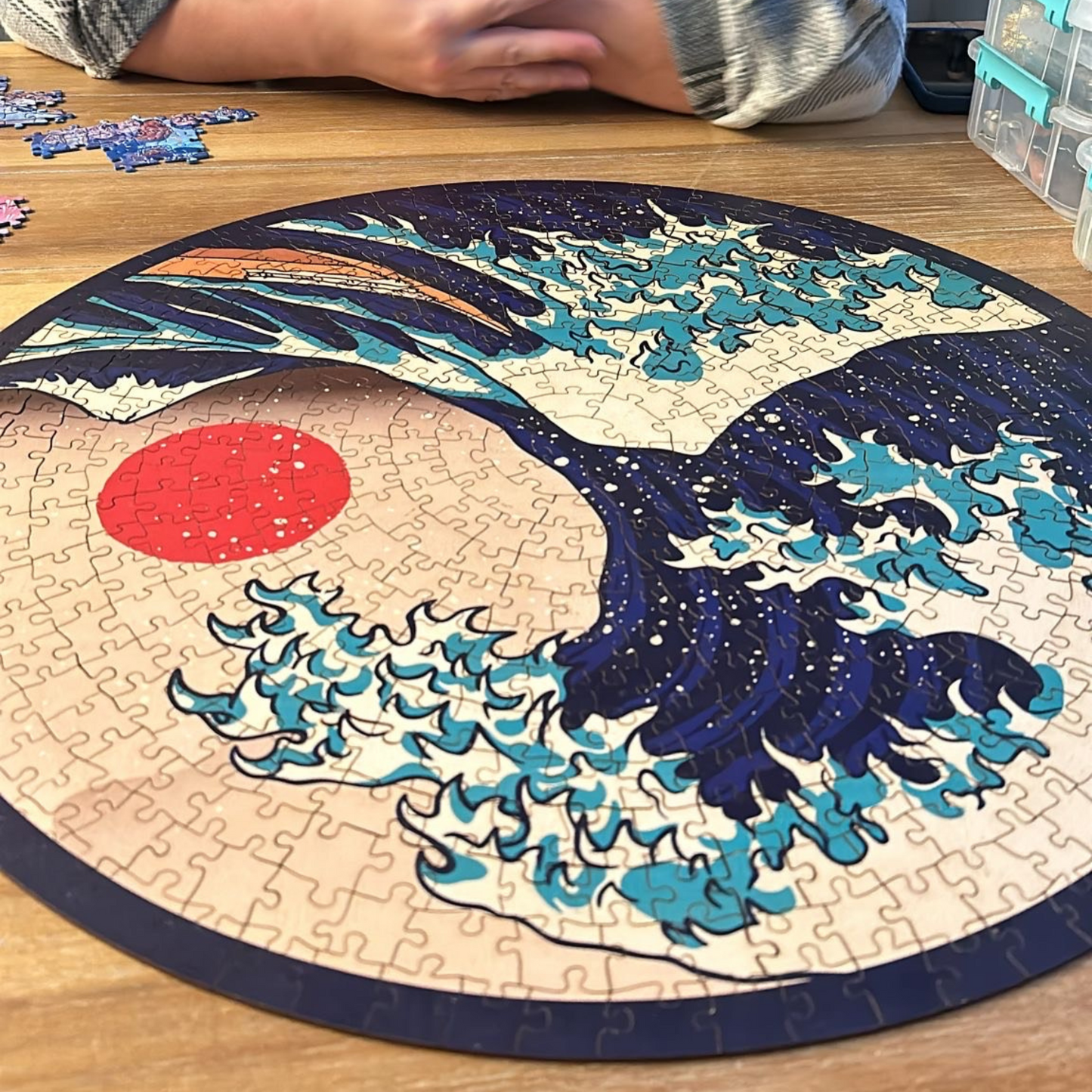
✔️ Precision laser-cut wooden pieces
✔️ 3mm MDF core — rigid, warp-resistant, built to last
✔️ UV printing directly on wood — no paper laminate, no peeling
✔️ Traditional grid-cut design
✔️ Sizes: 15"x23", 18"x24", 23"x31"
✔️ Piece counts: 300–1000
✔️ Handcrafted wooden keepsake box included
✔️ Made to order — ships in 3–4 weeks
💎 Why This Puzzle Lasts
Most wooden puzzle makers charge $300–$500. The craft justifies it. WAWW gets there differently: direct manufacturing, no wholesale chain, made to order with no warehouse sitting between the factory and your door. Same materials. The price reflects how the business runs, not a corner cut in the workshop.
The core is 3mm MDF, which is rigid enough that pieces click with the same clean resistance twenty years from now as they do on day one. Cardboard compresses. It absorbs humidity. It warps across a season. MDF doesn't, which is why the pieces still fit after the third time someone pulls the puzzle out of the box.
UV printing bonds ink directly into the wood surface, with no paper laminate between the image and the material. Nothing to peel at the edges. No fading from a sunny shelf. For a painting with as much tonal subtlety as The White Owl, that matters. The feather gradations in the original oil survive the reproduction process rather than washing out under a layer of laminate gloss.
The laser cut follows a traditional grid pattern, which means the pieces interlock with real resistance and real release. No gimmick shapes, no irregular tabs that make sorting feel like a guessing game. The wooden keepsake box that comes with the puzzle is finished and solid. Most people keep it on a shelf after the puzzle is framed. It holds the excess pieces from future puzzles, or small objects, or nothing. It stays in the house.
Production is made to order. Nothing ships from a warehouse. Your puzzle is cut after you buy it, which is why the wait is three to four weeks. A short production run for one buyer is also why there's no surplus, no waste, and no version of this that was sitting in a distribution center for eight months before it reached you.
The 300-piece, 15"x23" starts at $115. The 1000-piece, 23"x31" runs $170.
🖼️ After You Finish It
Most people frame it. The wooden box ends up nearby, on a shelf or a side table, and it looks like it belongs there. Visitors notice the image first. Then they notice the box. The White Owl spent over 150 years in a private collection before anyone outside a small circle saw it again. Putting it on a wall is a reasonable response to that.
⚠️ Important Notes
Puzzles may have light laser residue on the surface — a damp cloth handles it. There's a natural wood scent when the box first opens; it fades within a few days. Made-to-order production means your puzzle ships in 3–4 weeks. If anything arrives damaged, we replace or refund. No questions.