


View of Amalfi by Gorbatov - Premium Wooden Jigsaw Puzzle
View of Amalfi by Gorbatov - Premium Wooden Jigsaw Puzzle
- Regular price
- Price: $115.00
- Regular price
- List Price: $0.00
- Sale price
- Price: $115.00
- Unit price
- per
Key Features:
Key Features:
- Premium Quality: Crafted from durable 3mm (.14in) composite wood board for lasting enjoyment.
- Vibrant Imagery: High-resolution UV printing directly on the wood—no paper laminate—for stunning detail and vibrant colors.
- Eco-Conscious: Made with environmentally friendly materials.
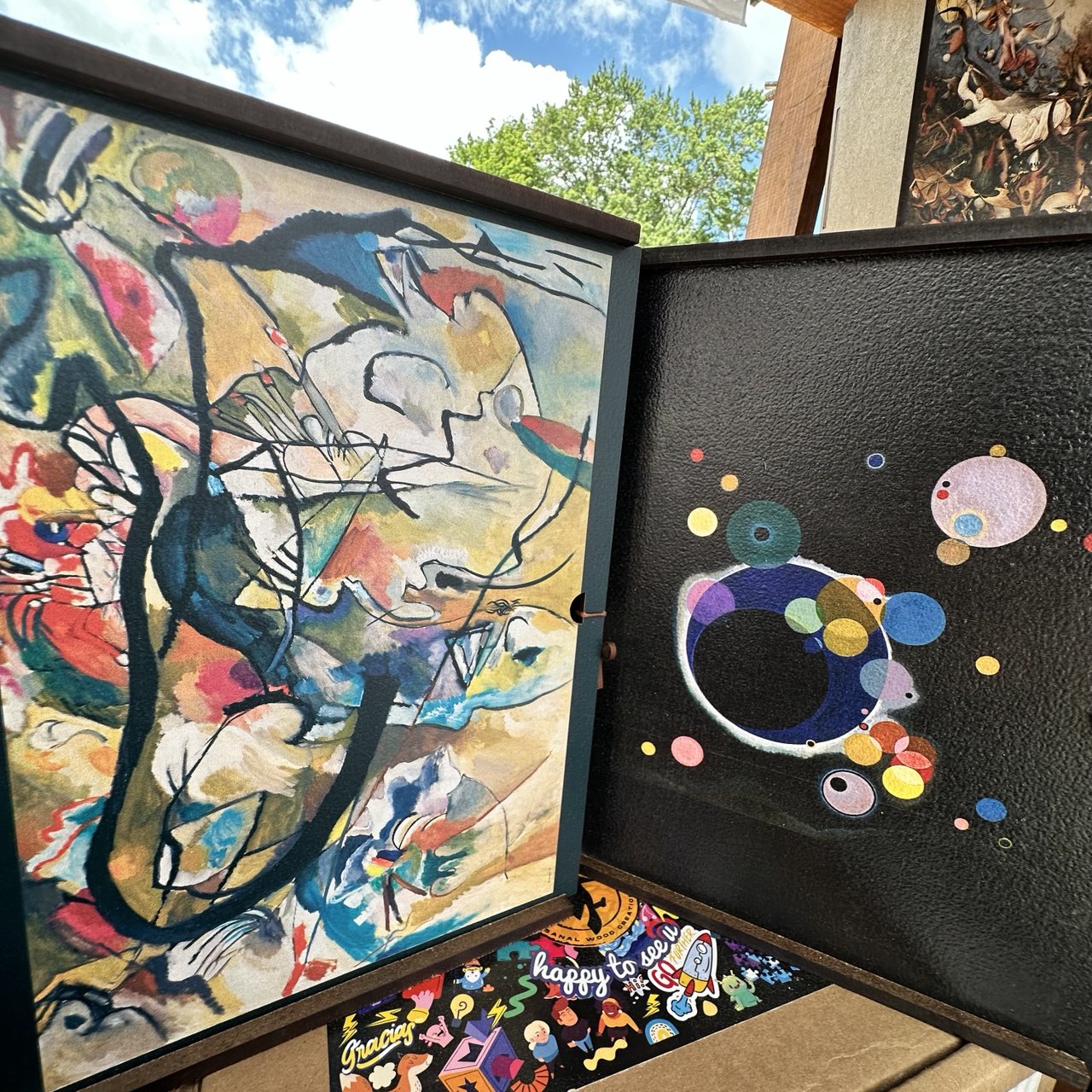
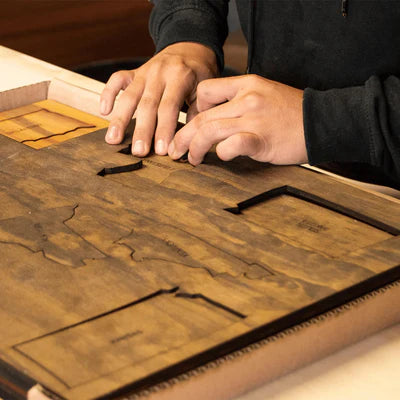
- Heirloom Keepsake: Your puzzle arrives beautifully packaged in a handcrafted wooden box, perfect for gifting or storing your masterpiece.
Craftsmanship and Care:
Craftsmanship and Care:
Experience the satisfying click of perfectly interlocking pieces. Our state-of-the-art laser cutting ensures precise fit and a smooth, seamless puzzle-solving experience. The perfect upgrade from cardboard without breaking the bank.
- Natural Laser Residue: A small amount of harmless black residue from the laser cutting process may be present. Simply wipe it away with a damp cloth.
- Hand-Finished Details: Each puzzle board, each wooden box are all carefully hand-stained, painted, and glued.
Satisfaction Guaranteed:
Satisfaction Guaranteed:
We are confident in the quality of our puzzles. If you are not completely satisfied, we offer a full refund or exchange.
PLEASE NOTE:
Each puzzle is crafted to make the most of your chosen size. Artwork may be subtly adjusted to meet our material and production standards while honoring the original work. Planning to frame yours? Email info@whatawoodwork.com for final measurements.
Couldn't load pickup availability
In stock
 PRODUCT DESCRIPTION
View of Amalfi — Konstantin Ivanovich Gorbatov — Wooden Jigsaw Puzzle
Gorbatov painted the Amalfi Coast while living in exile. He left Soviet Russia in 1922 and never went back. The version of this scene from 1925–1927 now sits in the New Jerusalem Museum in Istra, Russia — the institution that holds more of his work than any other, partly because he died broke in Berlin in 1945, trapped by a war he had no part in starting. The painting outlasted everything else.
📖 The Story Behind This Piece
By the mid-1920s, Gorbatov had settled into the rhythm of the Italian coast — Capri, the Amalfi cliffs, the particular blue of the Tyrrhenian Sea in afternoon light. "View of Amalfi" comes from that period, when he was working at the intersection of Russian academic training and the looser, light-chasing instincts of Impressionism. The cliffside architecture sits warm against a sea that refuses to stay one color. The clouds break just enough to let the light do something specific and unrepeatable.
He left Russia at 46, already an established painter, and chose Italy over the alternatives. That decision sharpened his work. Painting the Mediterranean as an outsider — someone who had given up a country to stand in that light — puts a different kind of attention into the brushwork. He wasn't on vacation. He was making a life out of what he could see from where he stood.
The Amalfi Coast sections of this image that give other reproduction formats trouble are exactly what the UV printing on wood handles best. The warm ochres of the buildings and the high-contrast blues of the sea don't bleed into each other the way they can on paper laminate — the color stays put in the wood grain, so when you're sorting warm-toned architectural pieces from the coastal sky, the edges read clean. Gorbatov built those boundaries deliberately. The cut follows them.
🎁 Who Gets One of These
A few types of people find their way to this one specifically.
✔️ The Post-Impressionist collector who knows Gorbatov's name — You've probably seen his Capri paintings before you knew who made them. Now you know, and you want the Amalfi version on a shelf instead of a screen.
✔️ The traveler who has been to the Amalfi Coast — You remember what that blue looked like at 3pm. Gorbatov caught it in the 1920s and didn't romanticize it. That accuracy means something to someone who was there.
✔️ The Russian art enthusiast tracking the emigre painters — Gorbatov belongs to that scattered generation: trained in Russia, forced out, forgotten, then repatriated posthumously. The story runs under every painting he made abroad.
✔️ The museum-going partner who buys the catalog but wants more — Not the puzzle section at the gift shop. Something made from a real work, built to stay in the house after assembly.
✔️ The gift-giver who has stopped buying things that get used up — A birthday or housewarming gift that connects to a specific place and a specific painter. Not decorative filler. Something with a provenance worth explaining.
Strongest occasions: housewarmings for anyone who has lived in or loved Italy, milestone birthdays for art collectors, anniversary gifts when the couple has a connection to Mediterranean travel. The keepsake box makes it work under a tree.
🧩 Puzzle Specifications
✔️ Precision laser-cut wooden pieces
✔️ 3mm MDF core — rigid, warp-resistant, built to last
✔️ UV printing directly on wood — no paper laminate, no peeling
✔️ Traditional grid-cut design
✔️ Sizes: 15"x23", 18"x24", 23"x31"
✔️ Piece counts: 300–1000
✔️ Handcrafted wooden keepsake box included
✔️ Made to order — ships in 3–4 weeks
💎 Why This Puzzle Lasts
Most wooden puzzle makers charge $300–$500. The craft justifies it — these aren't cardboard. WAWW gets to the same place differently: direct manufacturing, no wholesale chain, made to order only. Same materials. No markup passed down from three middlemen.
The 3mm MDF core is the part you feel before you see it. Each piece has a solidity that cardboard approximates for about a year before the edges soften and the fit loosens. MDF holds its shape across decades of storage and reassembly. When two pieces click together in Gorbatov's sea, they click — not approximately, not with encouragement. UV printing goes directly onto the wood surface, no paper layer in between to bubble or peel. The Amalfi blues stay the Amalfi blues in ten years the same as on day one.
The traditional grid cut means solving by shape stays honest — no trick pieces, no gimmick cuts, just the image doing the work. You find your way through Gorbatov's architecture the same way you'd read the painting: by color relationship and edge. The wooden keepsake box is built to the same standard as the puzzle itself, fitted and finished. Most people keep it. After assembly, it holds the puzzle flat, or it sits on a shelf as its own object. Every puzzle is made after you order it — no warehouse stock, no surplus run. The 3–4 week window is production time, not shipping delay.